

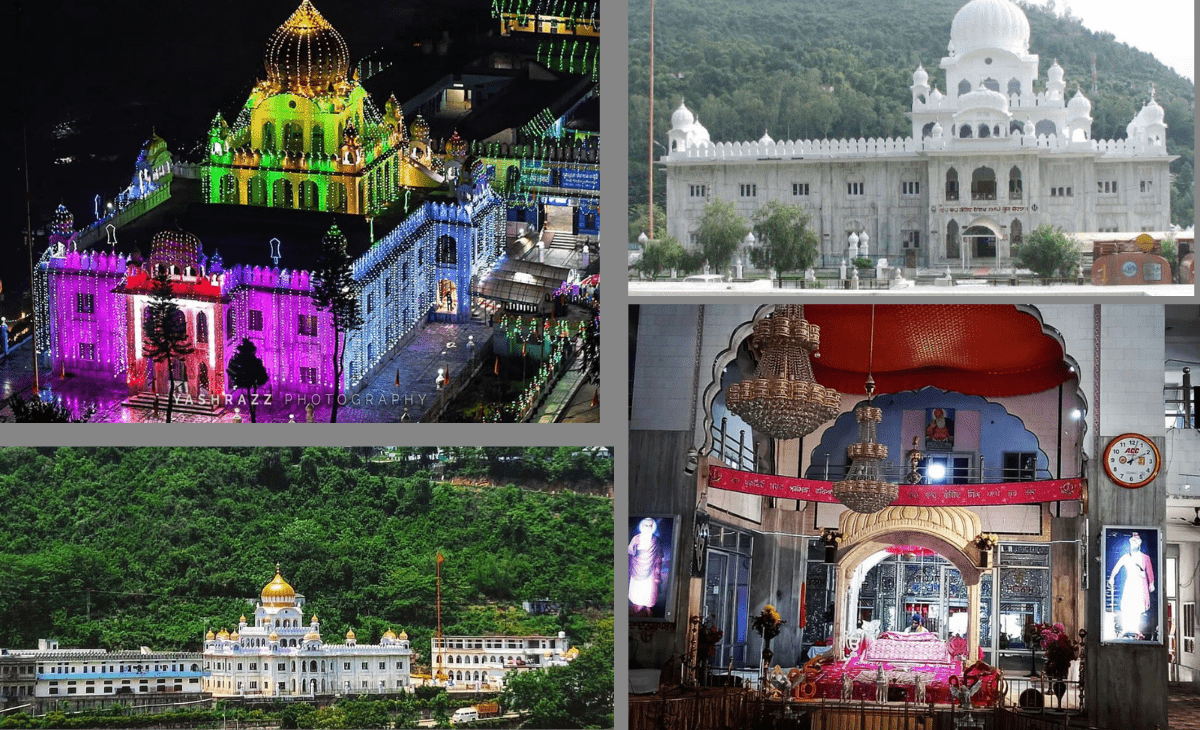
Guru Gobind Singh Gurdwara stands as a timeless symbol of peace, faith and Himachali-Sikh harmony
Munish Sood
MANDI:
On the serene banks of Beas river near Paddal Ground on the Old Mandi-Kullu Road in Mandi district of Himachal Pradesh stands the Guru Gobind Singh Gurdwara, one of the most revered and historic shrines in Himachal Pradesh.
As devotees gather here on the occasion of the Gurpurb of Guru Nanak Dev, the air in Mandi is filled with divine devotion, echoing the footsteps of the great Guru who once walked this sacred land.
This gurdwara holds a deeply spiritual and historical connection with Sri Guru Gobind Singh Ji, the tenth Sikh Guru. It is believed that Guru Sahib, along with Mata Ji and his entourage, visited Mandi on the invitation of Raja Sidh Sen, the ruler of the erstwhile princely state.
Sacred visit etched in history
When Guru Gobind Singh Ji arrived in Mandi, Raja Sidh Sen offered his royal palace for the Guru’s stay. However, Guru Sahib, in his humility, chose to pitch his tents along the Beas— symbolising his simplicity and closeness to nature. The royal family accommodated Mata Ji and the accompanying Sikh women in the palace, a gesture of reverence remembered even today.
It was during this sacred stay of over six months that a divine episode unfolded — one that continues to define Mandi’s faith and fortune. As the Guru prepared to depart, Raja Sidh Sen expressed his fears about Mughal tyranny and asked who would protect Mandi after Guru Sahib’s departure.
The Guru, aiming his musket at a clay pitcher floating in the Beas, fired a shot. The ball pierced through the pitcher, yet the vessel continued to float — whole and unbroken. Guru Gobind Singh smiled and said: “Jaise bachi yeh handi, waise bachegi teri Mandi. Jo Mandi ko lutenge, aasmani gole chhootenge (As this pitcher survives despite the wound, so shall Mandi be saved. Those who try to plunder it will face divine retribution).” Locals believe that this blessing still protects the town.
Relics of faith and legacy
The Guru Gobind Singh Gurudwara, lovingly maintained by the descendants of Mandi’s royal family, still preserves several sacred relics of the great Guru, including his manji (bed), rabab (musical instrument), bandookh (musket), gun kuppy (powder horn) and talai (mattress).
A large rock in the Beas River, visible near the gurudwara, is revered as the very spot where Guru Sahib often sat in meditation. It is said that the calmness of the river and the surrounding hills still carry the Guru’s divine presence.
Mandi – Where faiths flow together
Mandi, once known as Mandav Nagar or Sahor, has always been a confluence of spiritual traditions — from ancient temples to Sikh shrines. Today, it stands among the few towns in Himachal Pradesh where a large and vibrant Sikh community resides peacefully alongside the local Himachali population. The shared celebrations of Gurpurb and local fairs reflect Mandi’s enduring spirit of brotherhood and mutual respect.
As the evening shabad kirtan fills the sanctum and the golden glow of lamps touches the Beas waters, the essence of Guru Gobind Singh Ji’s message feels alive once again — courage with compassion, strength with humility, and faith that never falters.
The Guru’s visit to Mandi was not just a moment in history — it was a divine meeting of devotion and destiny. And to this day, every prayer rising from the Guru Gobind Singh Gurudwara near Paddal Ground carries the same eternal blessing — that Mandi will always remain protected, peaceful and blessed.