
Munish Sood
Mandi
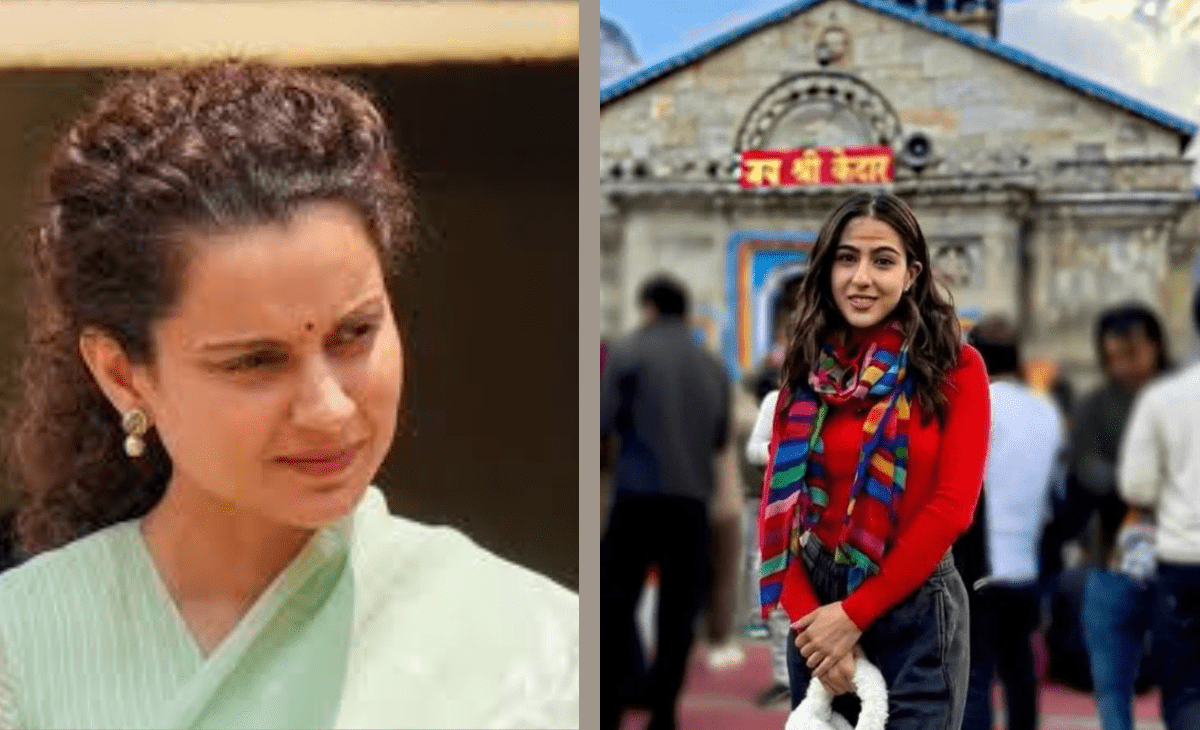
BJP MP from Mandi, Kangana Ranaut has weighed in on the emerging controversy surrounding temple access norms at the revered shrines of Kedarnath Temple and Badrinath Temple, backing the idea that devotees should openly affirm their faith in Sanatan Dharma.
Reacting to reports that non-Hindus may be required to submit an affidavit declaring belief in Sanatan traditions before entering the temples, Kangana remarked that Sanatan is eternal and universal. “If someone already believes in Sanatan, there should be no hesitation in putting it in writing,” she said, adding that Sanatan is the ultimate truth.
What is the Controversy?
The issue surfaced after Badrinath-Kedarnath Temple Committee (BKTC) President Hemant Dwivedi stated that individuals from outside the Hindu faith seeking entry into the temples may be asked to submit a written affidavit affirming their belief in Sanatan Dharma.
The remarks came in response to a question about actress Sara Ali Khan, who frequently visits Kedarnath and Badrinath and had made her Bollywood debut with the film Kedarnath. Dwivedi indicated that if she submits such an affidavit expressing faith, she would be allowed to perform darshan.
Sara’s interfaith background—daughter of Amrita Singh and Saif Ali Khan—has brought additional attention to the matter, turning it into a broader debate on religious identity and access to places of worship.
Debate Over Faith and Entry Norms
The development has sparked wider questions on whether access to prominent Hindu temples can be made conditional upon a written declaration of faith. While temple authorities maintain that the intent is to preserve religious sanctity, critics argue that such measures could raise constitutional concerns around equality and freedom of religion.
As of now, there is no widely notified formal rule mandating such affidavits, but the statement by the BKTC chief has already triggered political and social reactions.
Looking Ahead
With the Char Dham Yatra season approaching, clarity from authorities is expected on whether such a requirement will be formally implemented. The issue has once again highlighted the delicate balance between tradition, faith, and inclusivity in India’s religious institutions—now amplified by political voices like Kangana Ranaut and public figures like Sara Ali Khan.