
Atul Thakur
The recent election results in West Bengal cannot be viewed merely as a political victory or defeat. For many people, the outcome represented something far deeper — a social response born out of pain, fear, anger, and a growing demand for justice. While the Bharatiya Janata Party (BJP) emerged victorious, a large section of society viewed the result not simply as the rise of a political party, but as the voice of ordinary citizens who had been living under an atmosphere of insecurity, violence, and alleged political intimidation for years. This election was shaped not only by campaigns and speeches, but by emotions that had been building within society after a series of disturbing incidents that shook the conscience of Bengal.
The RG Kar Medical College rape and murder case became one of the defining emotional moments for the state. The brutal crime against a young woman doctor was not seen merely as a criminal incident; it became symbolic of the growing fear and insecurity felt by women across society. She represented the dreams of countless families who send their daughters to study and build careers with hope and trust.
The outrage that followed the incident reflected a deeper frustration among people who felt that women were no longer safe even in educational and professional spaces. Students, doctors, women’s groups, and ordinary citizens came onto the streets demanding accountability and justice. The anger was not only directed at the crime itself, but also at a system that many believed had become insensitive toward the suffering of victims.
Similarly, the incidents reported from Sandeshkhali left a deep impact on the social consciousness of Bengal. Allegations of exploitation, intimidation, and abuse created widespread outrage and fear. The courage shown by women who came forward with their voices despite pressure and fear became symbolic of a larger struggle faced by many ordinary citizens. Whether every allegation ultimately stands legally proven is a matter for the courts, but socially, the incidents deeply affected public sentiment.
Alongside these incidents, discussions around political violence, local strongman culture, and fear during elections continued to dominate conversations in many parts of the state. For many people, democracy had started to feel incomplete when fear entered neighborhoods, villages, and even polling environments.
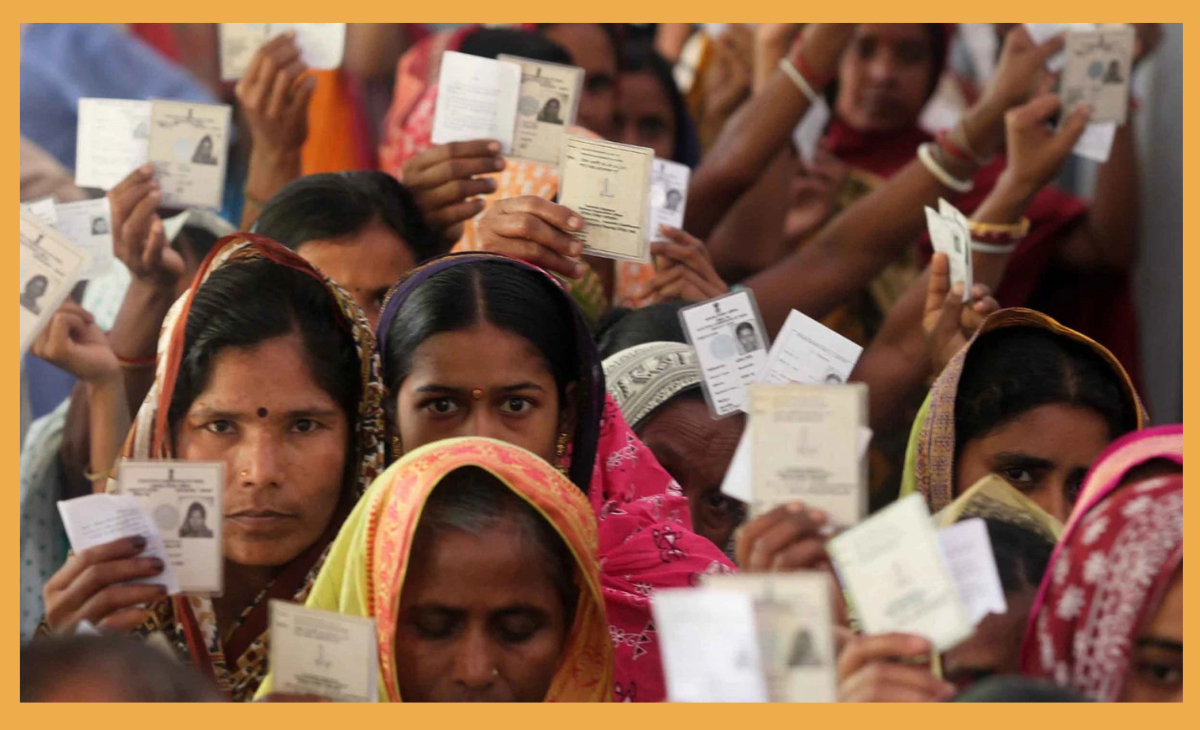
In this atmosphere, the public verdict appeared to reflect more than a routine political shift. Many voters seemed to prioritize dignity, safety, and accountability over traditional political loyalties. BJP’s victory was seen by many as an expression of the people’s desire for change and a rejection of fear-driven politics. For several citizens, the vote became a message that issues such as women’s safety, justice, and respect for ordinary people could no longer be ignored. A mother worried about her daughter’s safety, a student frustrated by institutional silence, and families disturbed by repeated incidents of violence all became part of the emotional wave that influenced the election.
However, this mandate should not be interpreted as a celebration of hatred or revenge politics. The true strength of democracy lies in justice, accountability, and the protection of citizens regardless of political ideology. Bengal has always been known for its intellectual culture, social awareness, and progressive thinking. That is why incidents involving violence against women and allegations of abuse create especially strong emotional reactions within society. The people of Bengal are not demanding only development and infrastructure; they are demanding dignity, safety, and a government that listens to the pain of ordinary citizens.
Ultimately, the recent election in Bengal may be remembered not just as a political event, but as a social message from people who felt unheard for too long. The RG Kar case, Sandeshkhali, and other incidents became more than headlines — they became symbols of public pain and frustration. Through the ballot box, many citizens attempted to send a clear message: no government can remain disconnected from the suffering of its people. This election, for many, was not only about power. It was about reclaiming trust, justice, and the right to live without fear.

Atul Thakur