

Himani Sharma
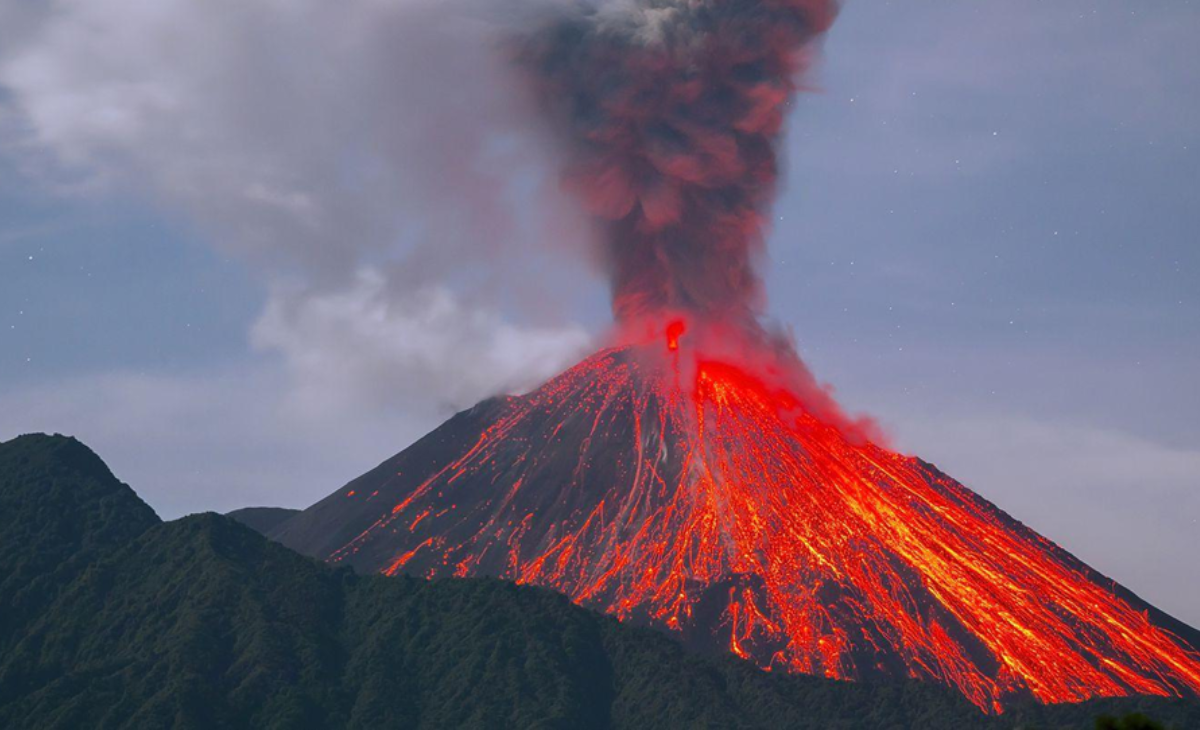
Few forces in nature command as much respect as a volcano. Mountains that appear silent and majestic for centuries can awaken without warning, reshaping landscapes, altering climates and changing the course of human history. Throughout history, volcanic eruptions have destroyed entire cities, triggered tsunamis, caused famines and even influenced global weather patterns.
While earthquakes strike suddenly and hurricanes eventually pass, the effects of major volcanic eruptions can linger for years, affecting millions of lives across continents. The deadliest volcano in recorded human history was Mount Tambora in Indonesia. In April 1815, Tambora unleashed the most powerful eruption in modern recorded history.
The explosion was so violent that it could be heard thousands of kilometres away. Entire villages vanished beneath pyroclastic flows and thick blankets of ash. Yet the eruption’s greatest devastation came afterward. Crops failed across vast regions as volcanic particles blocked sunlight and cooled the planet. The following year became known as the “Year Without a Summer.”
Harvests collapsed, famine spread and disease followed. Estimates suggest that around 90,000 to 100,000 people died either directly or indirectly because of the eruption. Tambora demonstrated that a volcano does not need to destroy a city to become a global catastrophe. Less than seventy years later, another Indonesian volcano shocked the world. In 1883, Krakatoa erupted with such force that the explosion remains one of the loudest sounds ever recorded.
The eruption generated colossal tsunamis that swept across nearby coastlines, destroying hundreds of settlements. More than 36,000 people lost their lives. Ash and aerosols spread through the atmosphere, producing spectacular sunsets around the globe for months afterward. The disaster revealed how volcanoes can create destruction not only through lava and ash but also through secondary hazards such as tsunamis. In 1902, the Caribbean island of Martinique witnessed one of history’s most terrifying volcanic disasters. Mount Pelée erupted and released a pyroclastic flow, a fast moving cloud of superheated gas, ash and rock.
Within minutes, the city of Saint Pierre was destroyed and nearly 29,000 people died. The event remains one of the clearest examples of how deadly pyroclastic flows can be. Unlike lava, which often moves slowly, these scorching clouds can travel at tremendous speeds, leaving little chance for escape. The tragedy of Nevado del Ruiz in Colombia in 1985 highlighted another danger.
The eruption itself was relatively small, yet it melted ice and snow on the volcano’s summit, creating massive mudflows known as lahars. These flows buried the town of Armero, killing more than 23,000 people. The disaster became a painful lesson about the importance of volcanic monitoring and emergency preparedness. The ancient eruption of Mount Vesuvius in AD 79 remains among the most famous volcanic disasters ever recorded.
The eruption buried the Roman cities of Pompeii and Herculaneum beneath ash and volcanic debris. Today, preserved buildings, streets and artifacts provide an extraordinary glimpse into life nearly two thousand years ago. The tragedy serves as a reminder that volcanoes have influenced human civilization for millennia. While these volcanoes belong to history, several active volcanoes today pose significant threats because of the enormous populations living nearby.
One of the most closely watched is Vesuvius in Italy. Millions of people now live in and around the metropolitan area of Naples. Although Vesuvius has remained relatively quiet since 1944, scientists closely monitor it because even a moderate eruption could affect a densely populated region.
Nearby lies Campi Flegrei, a vast volcanic caldera that many volcanologists consider even more concerning than Vesuvius. Unlike a traditional cone shaped volcano, Campi Flegrei is a massive volcanic system beneath and around the city of Naples. Recent years have seen increasing ground uplift and seismic activity, prompting intense scientific attention. Researchers emphasize that there is currently no evidence of an imminent eruption, but the system is undergoing significant unrest and requires constant monitoring. More than a million people live in the surrounding area, making it one of the world’s most closely observed volcanic regions.
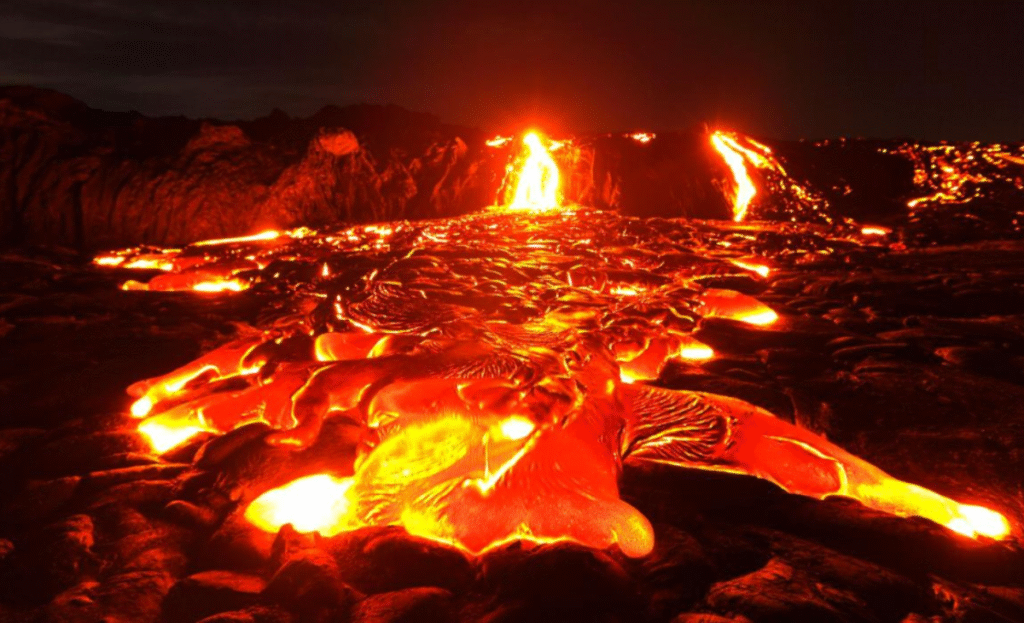
Another volcano frequently identified as dangerous is Mount Merapi in Indonesia. It erupts relatively often and is located near densely populated communities. Because of its frequent activity, authorities maintain sophisticated monitoring systems and evacuation plans. In Central America, Popocatépetl in Mexico remains active and closely monitored due to its proximity to one of the largest urban populations in the world. Similarly, Nyiragongo in the Democratic Republic of the Congo is feared because of its unusually fluid lava, which can travel rapidly toward populated areas.
When discussing the volcanoes of the future, an important point must be understood: scientists cannot reliably predict exactly which volcano will produce the next catastrophic eruption. Volcanology has advanced tremendously, but forecasting remains a challenge. What researchers can identify are volcanoes with the potential for large future eruptions based on their geological history. Campi Flegrei is often mentioned in this context because of its size, activity and location near a major population centre. Scientists continue to study its ongoing unrest and emphasize preparedness rather than prediction. Another name frequently discussed is Yellowstone in the United States.
Yellowstone is a super volcano whose past eruptions were among the largest known on Earth. However, contrary to popular media portrayals, scientists do not believe a catastrophic Yellowstone eruption is likely in the near future. The system is carefully monitored and currently shows no signs suggesting an imminent super-eruption. In Indonesia, volcanoes such as Tambora and Krakatoa remain active reminders that some of history’s deadliest volcanic systems are still capable of future eruptions, even if not necessarily on the same catastrophic scale as before.
The greatest lesson from volcanic history is that the deadliest eruptions are not always the largest. Many of the worst disasters occurred because people lived close to hazards, lacked warning systems or underestimated the risks. Modern technology has dramatically improved our ability to monitor volcanoes through satellites, seismic networks and gas measurements. These tools cannot prevent eruptions, but they can save lives by providing valuable warning time.
Volcanoes are among Earth’s greatest paradoxes. They create fertile soils, build islands and shape continents, yet they also possess the power to devastate entire regions. From the climate changing eruption of Tambora to the ongoing vigilance surrounding Campi Flegrei, volcanoes remind us that our planet is alive and constantly changing. Their history is not merely a record of destruction. It is a story of human resilience, scientific progress and our continuing effort to understand one of nature’s most awe-inspiring forces.