

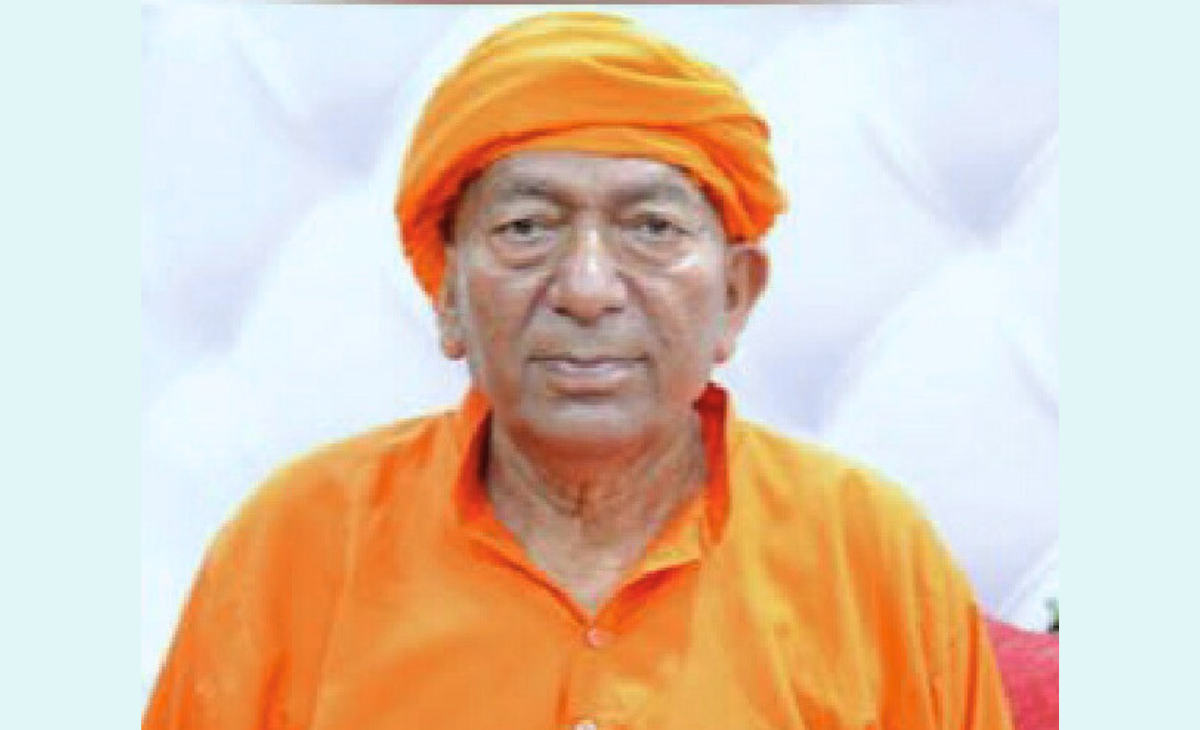
Yogacharya urges people to follow eternal Vedic path of truth, noble deeds and devotion to Almighty
TNR News Network
Ved Mandir, Yol
May 9: On the 28th day of the ongoing 78-day Yajna Anushthan of all four Vedas at Ved Mandir, Swami Ram Swarup, Yogacharya, explained the deeper meaning of Rigveda Mantra 7/67/8. He said that the Almighty God Himself imparts divine knowledge through the Vedas and teaches that the Supreme Being is equally worthy of worship by all men and women alike.
Swamiji stated that the present-day social restrictions created by humans, which deny certain men and women the right to worship God on the basis of caste, are against the teachings of the Vedas and displease the Almighty. He urged people to understand Vedic wisdom, live harmoniously with love and noble deeds, and worship the one omnipresent and all-powerful Creator of the universe.
Explaining the Vedic process of worship mentioned in the Upanishads, Swamiji said that Shravan (listening), Manan (contemplation), and Nididhyasan (practical implementation in life) are the three essential stages of spiritual practice. Referring to Samaveda Mantra 50, he quoted, “Shrudhi Shrutkarna,” meaning, “O capable listener, listen to the teachings of God through the Vedas.”
He further cited Atharvaveda Mantra 1/1/4, where the devotee prays never to stop listening to the Vedas. Swamiji explained that deeply reflecting on the meaning of Vedic mantras is called Manan, and when this wisdom becomes firmly established in one’s intellect and conduct, it is known as Nididhyasan. He expressed concern that although many people hear spiritual knowledge, only a rare few truly adopt Vedic teachings in their lives.
Giving an example from the Mahabharata composed by Maharishi Ved Vyas, Swamiji narrated the famous dialogue between Yaksha and Yudhishthir. When Yaksha asked, “Which is the right path for human life?”, Yudhishthir replied that in ancient times all men and women followed a single path — the Vedic path — and Vedic teachings were reflected in everyone’s conduct.
Swamiji elaborated that Yudhishthir emphasized the limitations of arguments and differing human opinions in determining truth. He explained that true authority lies in the wisdom of realized sages and the eternal Vedas. Referring to the principles of Yoga, he said that Vedas and enlightened Rishis are considered authentic sources of truth.
Concluding the discourse, Swamiji quoted the famous line, “Mahajano Yena Gatah Sa Panthah,” meaning that the path followed by great sages, ascetics, and enlightened souls is the noblest path. He said that since ancient times, realized saints who understood the Vedas attained liberation by following the eternal Vedic way of life.