
Munish Sood
Shimla
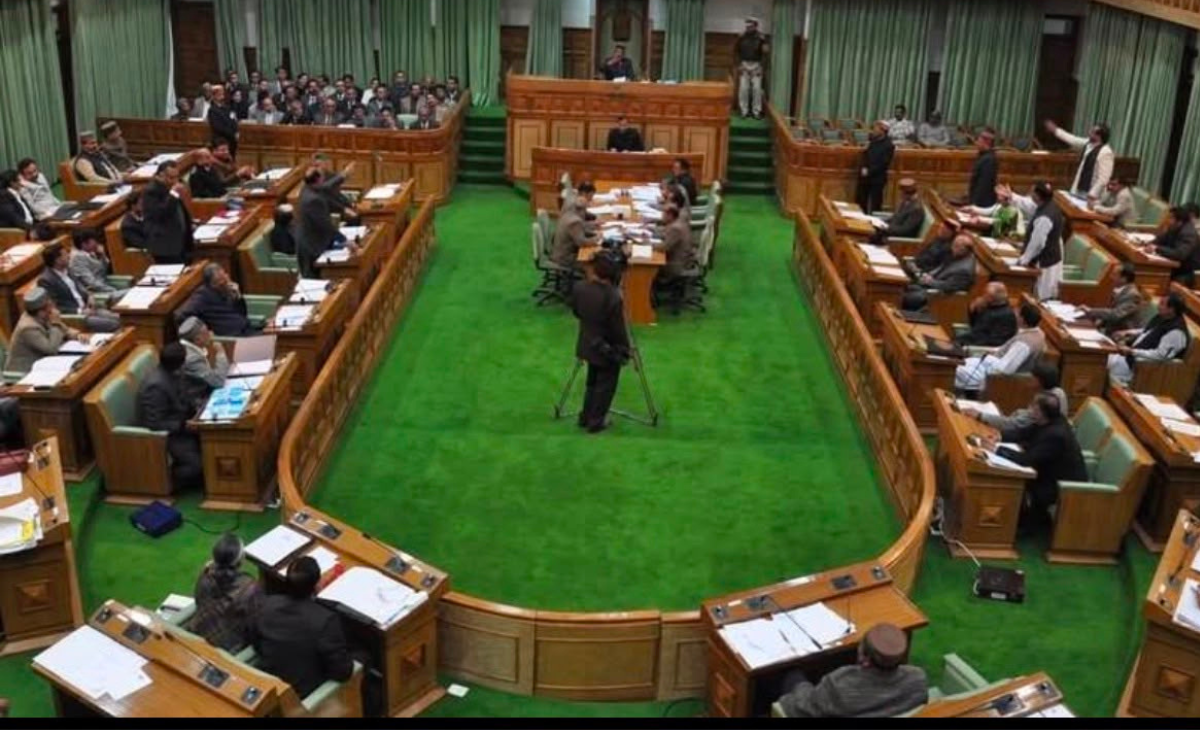
Practical difficulties faced by field police personnel in using the department’s attendance app and the long-pending issue of compassionate appointments dominated proceedings during Zero Hour in the Himachal Pradesh Assembly on Monday.
Raising the issue, Nalagarh MLA Hardeep Singh Baba said the attendance app was creating difficulties for police officers and personnel posted in the field. He said while the system could be conveniently used by employees working regular office hours, it was not always practical for police personnel whose duties frequently take them away from their stations.
Baba pointed out that Nalagarh was a border constituency and police personnel often had to move into cross-border areas in the course of their duties. He said the roznamcha (daily police diary) was an important official record and could also be produced before courts. Any technology introduced for attendance, he argued, should take into account the practical realities of field policing and not create difficulties for personnel carrying out operational duties.
The Assembly Speaker said the matter would be taken up with the Police Department and the information received from the department would be shared with the MLA.
The issue of employment, particularly appointments on compassionate grounds, was subsequently raised by Nagrota Bagwan MLA RS Bali. Describing unemployment as a problem extending beyond Himachal Pradesh, Bali referred to the Centre’s earlier promise of providing two crore jobs every year and questioned how many jobs should have been created by now if the target had been met.
Bali said he had repeatedly raised the issue of employment for families dependent on compassionate appointments with the Chief Minister and other ministers. He said the earlier eligibility provisions had resulted in thousands of applications but only a few hundred appointments, leaving many affected families waiting for years.
He said the state government had subsequently revised the eligibility criteria after detailed discussions with the Chief Minister. The annual family income ceiling for compassionate appointments was increased from ₹2.5 lakh to ₹3 lakh, resulting in the number of eligible applicants rising from around 400 to nearly 1,200, he claimed.
Bali said the government had also moved quickly to begin the appointment process. Initially, recruitment was initiated for Class-III and Class-IV posts. Around 150 candidates were appointed to Junior Office Assistant (JOA) posts under the Class-III category, he said, but the process for Class-IV posts was yet to begin.
He urged the government to immediately start the process for compassionate appointments to Class-IV posts, saying the move would particularly benefit families in the most vulnerable category who had been waiting for employment on compassionate grounds.
Bali also referred to a notification issued about a month ago, which had set December 31, 2026 as the cut-off date for compassionate appointments. He said the provision had brought several more applicants within the eligibility framework and that some candidates whose applications had earlier been rejected had also been given an opportunity to be reconsidered.
However, he pointed out that certain technical difficulties had emerged in implementing the revised income criteria, particularly in cases involving the relaxation of the annual income ceiling from ₹2.5 lakh to ₹3 lakh.
Deputy Chief Minister Mukesh Agnihotri said the government was examining the matter and deliberating on the issues raised by the MLA. He assured the House that once a decision was taken, the Assembly would be informed.
The two issues highlighted during Zero Hour underscored the practical challenges of implementing administrative reforms while also addressing long-pending demands for employment among families awaiting compassionate appointments.