
Himani Sharma
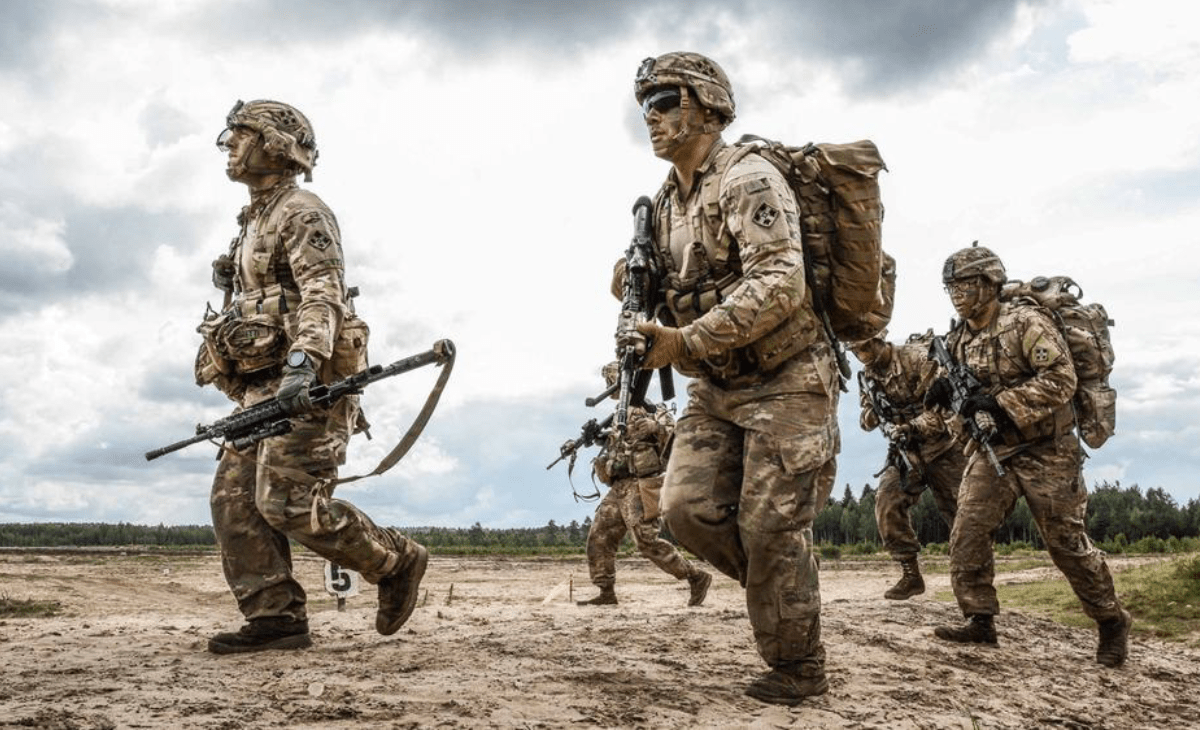
The modern world is witnessing a troubling rise in conflict. Nations that once stood together for progress are now separated by political rivalries territorial disputes and ideological differences. Economic competition technological dominance and power struggles have created an atmosphere of fear and uncertainty. In such a world the presence of war has become one of the greatest threats to human progress and the well being of future generations. As conflict spreads across regions and continents it becomes necessary to understand where this path might lead humanity.
War leaves a deep impact on every aspect of life. It destroys the social fabric that holds communities together. People lose their families their homes and their sense of safety. Schools hospitals and public services collapse under the pressure of violence. Children grow up without education or emotional stability and this affects their future and the future of the world. The psychological scars of fear and trauma continue to influence people long after the fighting ends. These effects weaken societies from within and make recovery an extremely slow process.
The economic consequences of war are equally severe. Nations divert massive resources to military spending while development programs suffer from neglect. Instead of investing in science research renewable energy or healthcare governments are forced to spend on weapons and defense. This slows down progress for the entire world. Inflation unemployment and economic crises often follow prolonged conflicts. Countries that depend on global trade experience disruptions that affect the prices of food fuel and essential goods. In this way war spreads its impact even to nations that are not directly involved.
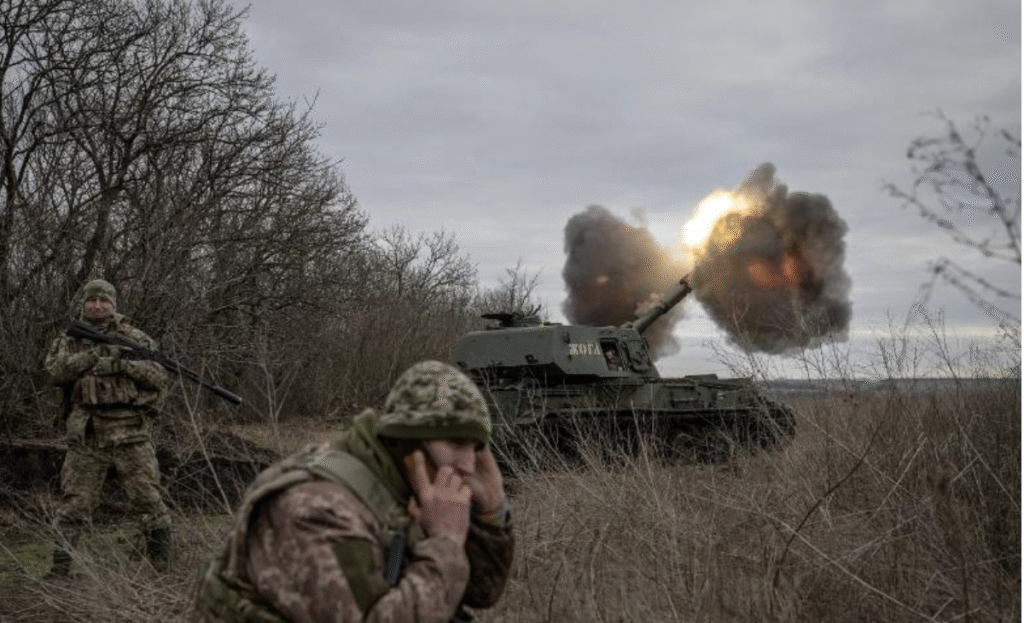
Modern warfare is not limited to physical battlegrounds. Technology has opened new arenas of conflict. Cyber attacks can shut down power grids communication systems and financial institutions. Misinformation campaigns can spark social unrest and create hatred between communities. Drones satellites artificial intelligence and advanced surveillance tools make conflicts more complex and unpredictable. A single strategic mistake can lead to consequences that affect millions of people. The digital age has made war more silent but also more dangerous.
Another worrying outcome of continued conflict is the humanitarian crisis that follows. Families are forced to leave their homes and cross borders in search of safety. Refugee camps struggle to provide food clean water and medical care. Host countries face enormous pressure as they try to support displaced populations while managing their own economic and social challenges. The movement of refugees often leads to cultural tension political debates and economic strain. These issues can shape international relations for decades.
As wars continue the gap between nations widens. Distrust becomes stronger and dialogue becomes weaker. Countries begin to isolate themselves and prioritize military strength over cooperation. This leads to a world divided into competing blocks and the possibility of global unity becomes distant. The fear of conflict discourages international trade cultural exchange and scientific collaboration. A world that is constantly preparing for war cannot invest in growth and prosperity.
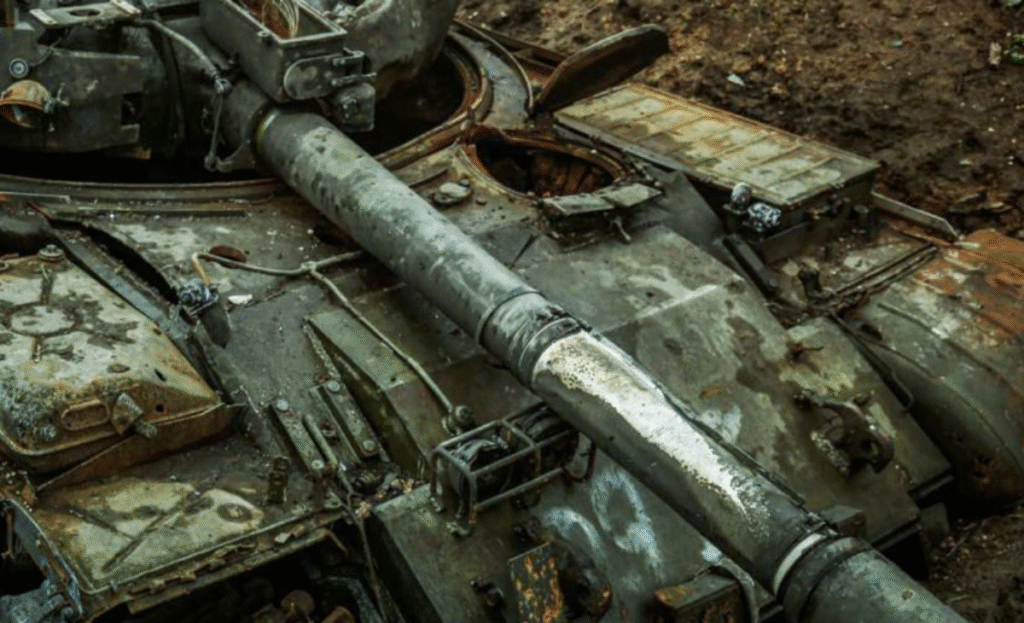
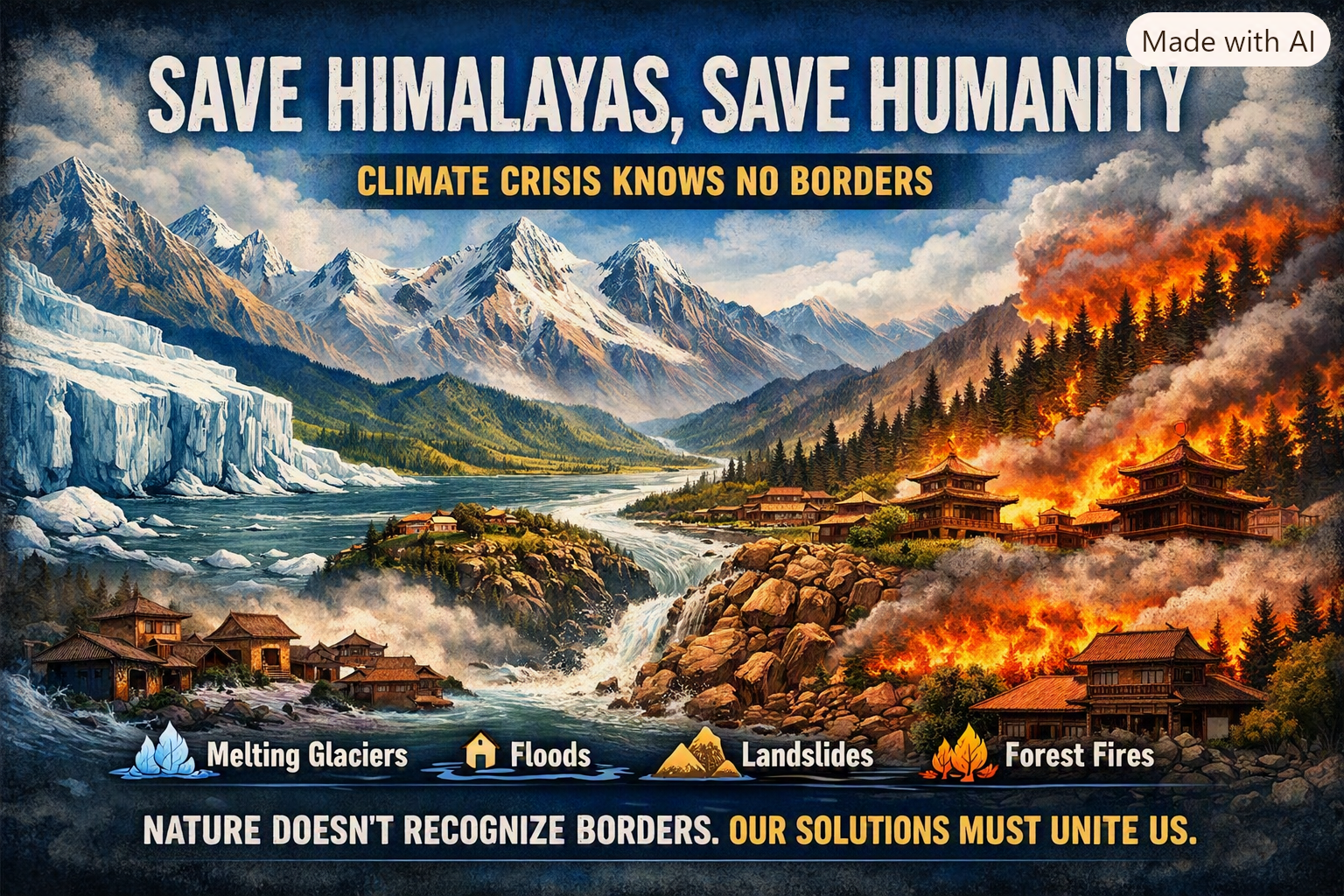
The future of humanity under continuous conflict becomes uncertain. Continued war will limit scientific achievements weaken global health systems and slow environmental action. Climate change pandemics and poverty are problems that require united global efforts but war divides the world at the very moment when unity is most needed. Ifnations continue to fight for dominance humanity may lose the chance to solve these shared problems.
However a different path is possible. Peace requires more than the absence of violence. It requires justice respect and understanding between nations. It requires leaders who value dialogue over aggression and citizens who believe in compassion over hatred. Education diplomacy and cultural exchange can help build bridges where war creates walls. When people see one another as human beings rather than enemies’ cooperation becomes possible.
The future of the world depends on the choices made today. If humanity continues to be entangled in wars it will move toward a future filled with suffering instability and lost opportunities. If humanity chooses peace cooperation and shared responsibility it can build a world where progress is shared and hope is stronger than fear. The direction is not fixed. It will be shaped by the decisions of individuals societies and nations. The question remains not only where the world is heading but whether we are ready to choose peace before conflict becomes an irreversible path.