
Munish Sood
Mandi
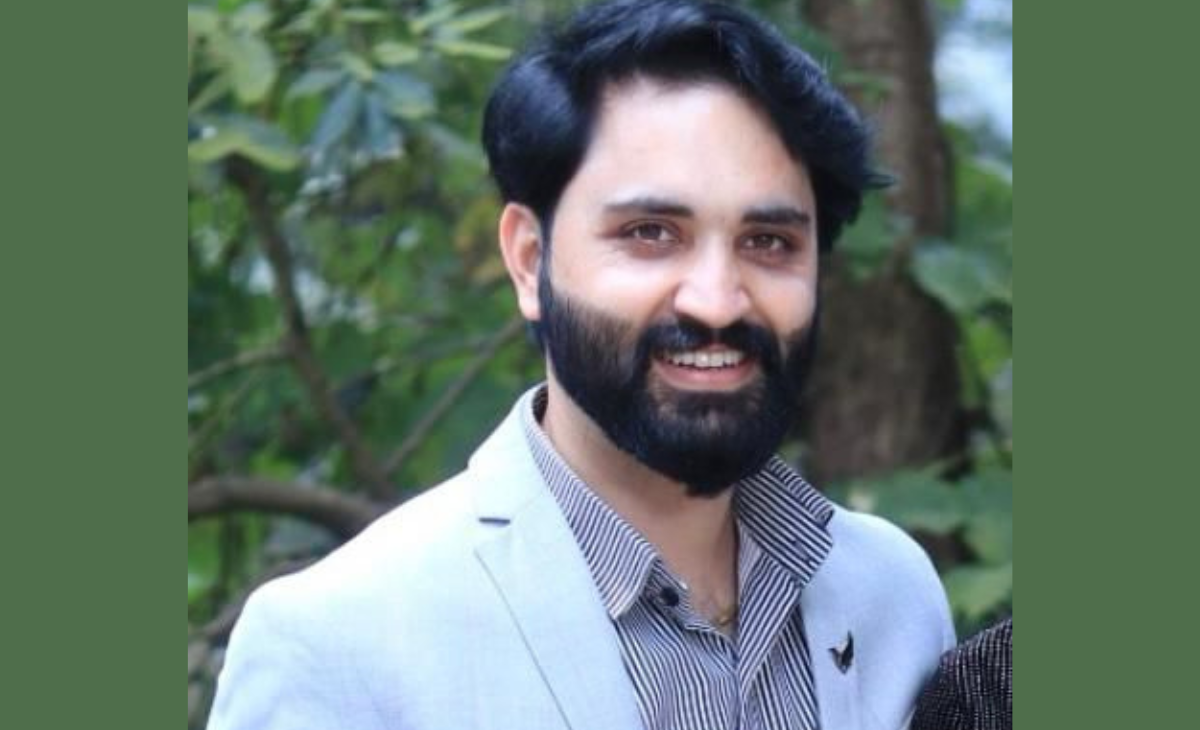
A research study conducted by Dr. Rakshit Parmar, a Rural Development scholar at Himachal Pradesh University, has brought to light the significant socio-economic transformation taking place among women in Kangra district’s Sulah Block through Self-Help Groups (SHGs) operating under the National Rural Livelihood Mission (NRLM).
The study, based on extensive field research involving 100 women beneficiaries, reveals how SHGs have emerged as powerful instruments of economic empowerment, financial inclusion, and social change in rural Himachal Pradesh.
Dr. Parmar collected primary data through structured questionnaires and supplemented the research with government reports, academic journals, and official records. Using a descriptive analytical approach, the study examined the impact of SHGs on the lives of women who have become part of the livelihood mission.
According to the findings, a majority of women associated with SHGs have witnessed a notable rise in their incomes by engaging in small businesses, agriculture-related enterprises, and self-employment activities. The research further found that access to banking services, savings facilities, and micro-credit has reduced dependence on informal lending sources and strengthened financial security among rural households.
One of the most striking observations in Dr. Parmar’s study is the growing confidence and leadership among women. Beneficiaries reported increased participation in family decisions, village meetings, and community affairs, indicating a shift in traditional social dynamics.
The study also highlights how regular interaction through SHGs has expanded women’s social networks and encouraged greater awareness of developmental and community issues. Women who were once largely confined to household responsibilities are now playing a more active role in local decision-making processes.
Speaking about his research, Dr. Parmar said that Self-Help Groups have evolved beyond their traditional role as savings platforms and are now serving as engines of rural transformation. He emphasized that stronger market linkages and institutional support could further enhance the impact of these groups and create new opportunities for women entrepreneurs.
The research is being viewed as an important contribution to the field of rural development, offering valuable insights into the role of community-based institutions in promoting women’s empowerment and inclusive growth. Experts believe the findings could help shape future policy interventions aimed at strengthening rural livelihoods and enhancing women’s participation in the economy.
Dr. Parmar’s work not only documents the success of SHGs in Sulah Block but also provides a compelling case study of how grassroots initiatives can drive sustainable social and economic change across rural Himachal Pradesh.