

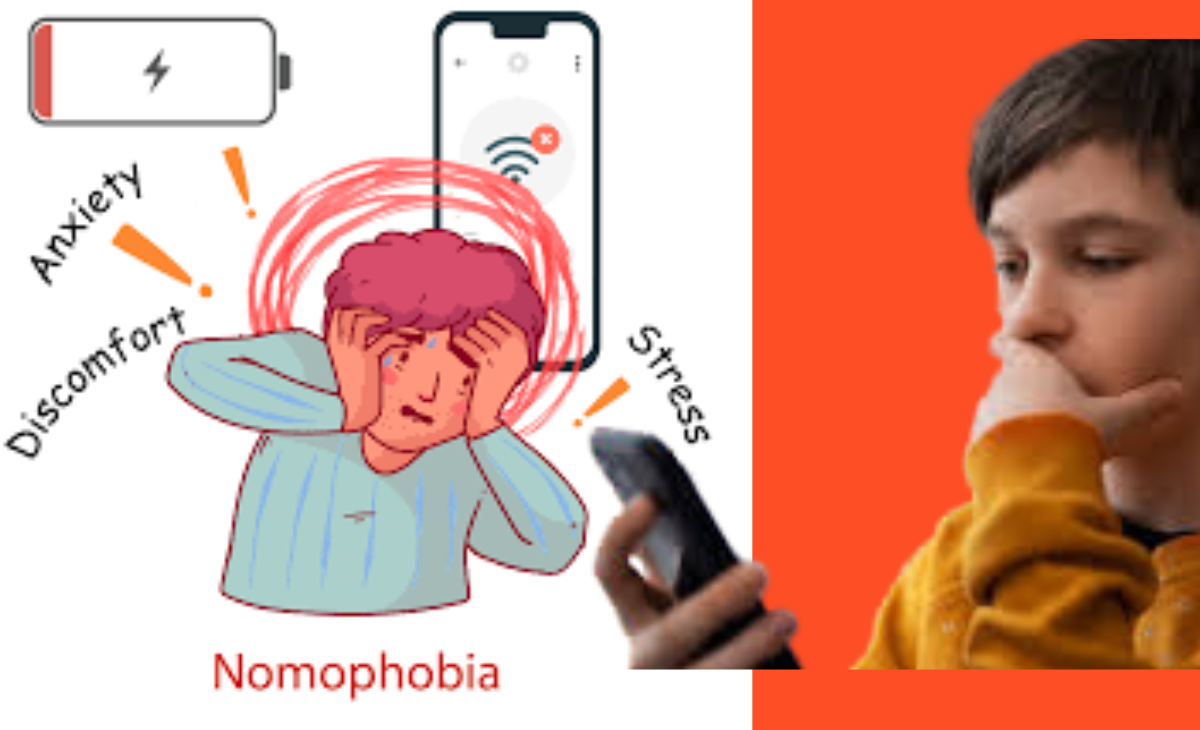
Experts describe it as modern form of smartphone addiction that needs timely intervention
TNR News Network
Shimla: The fear of being without a mobile phone, known as nomophobia, is rapidly emerging as a silent mental health concern among young people in Himachal Pradesh. A recent study conducted by Indira Gandhi Medical College (IGMC), Shimla, has revealed that a large number of students suffer from moderate to severe levels of smartphone-related anxiety, highlighting the growing impact of digital dependence on health and daily life.
The study, carried out by Dr Amit Sachdeva, Assistant Professor in the Department of Community Medicine at IGMC, along with his team, has been published in the Journal of Pioneer Medical Sciences. Researchers assessed smartphone use patterns, behaviour and health effects among students, uncovering alarming trends linked to excessive screen time.
Majority students show signs of nomophobia
The research was conducted on over 400 MBBS students using online questionnaires. The findings revealed that 70.7% of students showed moderate levels of nomophobia, while 19% were found to be severely affected. Most participants belonged to the 20-22 age group, which made up over half of the study population. Female students accounted for 52.2% of respondents and 58.1% came from urban backgrounds.
Almost every participant owned a smartphone, with more than three-fourths using Android devices. On average, students had been using smartphones for nearly six years, pointing to long-term exposure starting at a young age.
Screen time, sleep loss and health issues
The study showed that over 70% of students spent more than four hours a day on screens, while nearly 90% had round-the-clock internet access. Smartphones were most commonly used for social media, followed by entertainment, academic work and communication.
Worryingly, mobile use had crept into almost every part of daily routine. A large majority admitted to using phones before sleeping and immediately after waking up. Many students reported using phones in classrooms, washrooms and even waking up at night just to check their devices.
This behaviour was closely linked to health problems. Delayed sleep, disturbed rest, headaches, eye strain and daytime sleepiness were commonly reported, indicating a clear connection between excessive phone use and declining well-being.
What exactly is nomophobia?
Nomophobia is a psychological condition where a person feels intense fear or anxiety when they are unable to use their mobile phone due to lack of network, low battery, loss or damage of the device.
It can lead to restlessness, panic, poor concentration and physical symptoms such as headaches and disturbed breathing. Experts describe it as a modern form of smartphone addiction that needs timely awareness and intervention.
Doctors involved in the study stress the need for balanced digital habits, especially among students, to prevent long-term mental and physical health issues.