
Himani Sharma
Rajasthan, often celebrated as the land of majestic forts, vibrant culture and timeless craftsmanship, is also known for another defining treasure buried beneath its soil: marble. From the gleaming white stone of Kishangarh to the mines around Makrana, the state has become the heart of India’s marble industry.
Rajasthan produces a major share of the country’s marble and has earned a global reputation for quality stone used in homes, monuments and luxury interiors. Yet behind this brilliance lies an often-ignored byproduct that tells a far darker story: marble dust. At first glance, marble dust appears harmless.
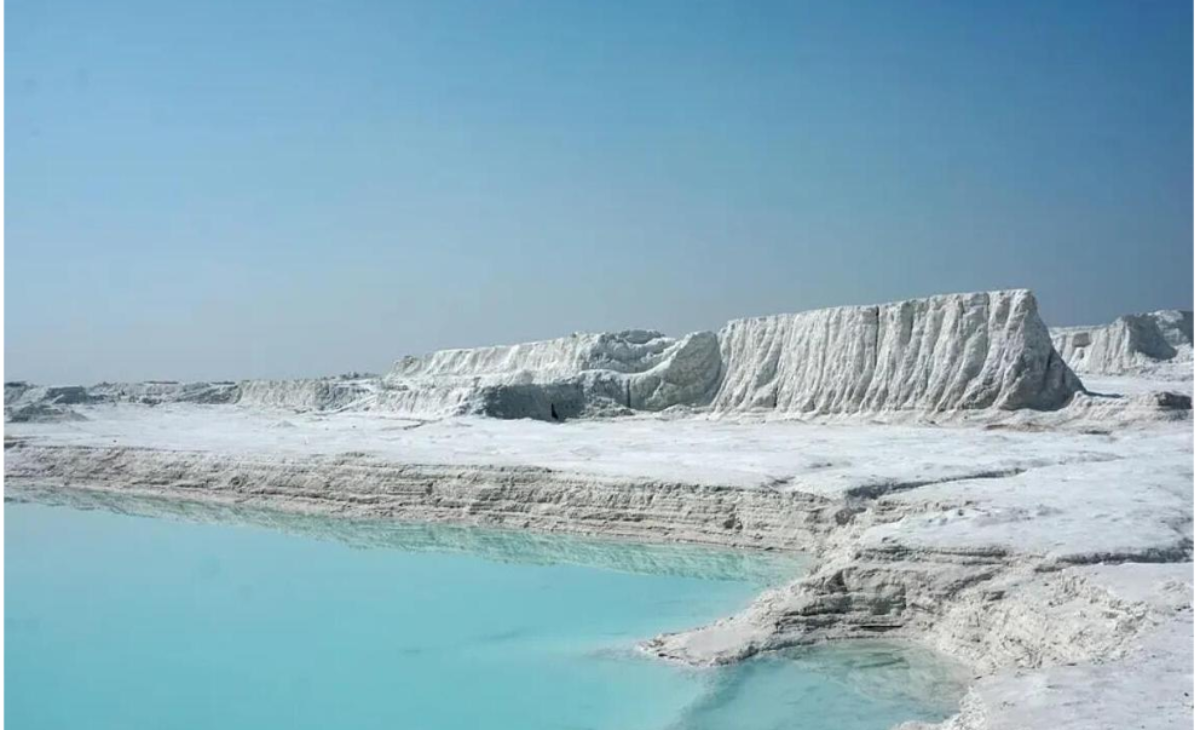
It is a fine white powder generated during cutting, polishing, grinding and transportation of marble. It settles like pale mist over roads, workshops, fields and homes, giving mining towns an almost snow-covered appearance. But beneath this powdery whiteness lies a growing environmental and public health crisis. The popularity of marble in Rajasthan has risen dramatically over the years.
Marble is widely used in flooring, decorative walls, kitchen surfaces, sculptures and architectural designs. The beauty, durability and prestige associated with Rajasthan marble have made it highly desirable in domestic and international markets. Cities such as Kishangarh have transformed into massive marble trading hubs, where thousands of slabs move daily across the country and beyond.
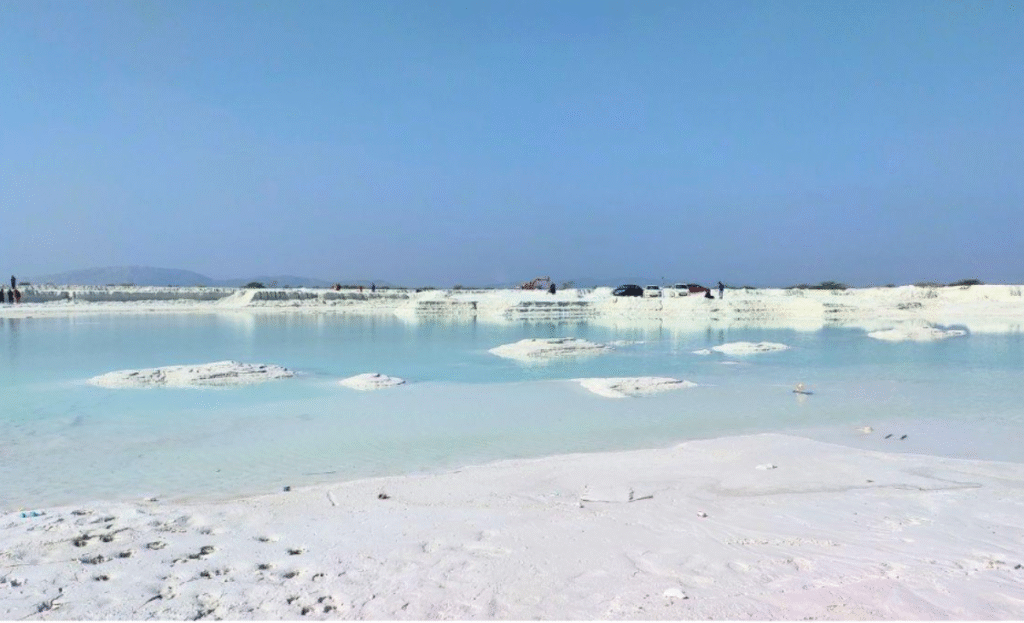
This booming industry generates employment, trade and infrastructure development, making marble a powerful economic engine for the state. However, this prosperity comes with severe consequences. During extraction and processing, enormous quantities of marble waste are produced. A large part of this waste becomes dust and slurry, often dumped in open areas without proper management.
The powder disperses into the air and soil, affecting everything around it. The most immediate impact of marble dust is on human health. Workers in quarries, cutting units and polishing factories are exposed to dense airborne particles for long hours. Continuous inhalation of this dust can irritate the respiratory system, causing coughing, throat inflammation and breathing difficulty. Prolonged exposure may contribute to chronic respiratory illness and reduced lung function.
Dust particles can also enter the eyes, leading to redness, irritation and discomfort. The effects extend far beyond industrial workers. Residents living near marble processing zones often experience daily exposure as dust settles on houses, water storage, roads and food. Children and older adults may be especially vulnerable to persistent air pollution. Fine particles can reduce overall air quality and make ordinary life physically uncomfortable. Marble dust also damages agriculture.
When dust settles on crops, it blocks leaf surfaces and reduces the plant’s ability to absorb sunlight efficiently. This interferes with photosynthesis and can weaken crop growth. The dumping of marble slurry on farmland changes soil texture and can reduce water absorption, making land less productive over time. In water scarce regions of Rajasthan, this creates an added burden.
Water contamination is another growing issue. Rain can wash marble residue into ponds, drains and groundwater recharge zones. Suspended particles increase turbidity and disturb local water systems. Communities that depend on local water bodies may experience reduced water quality.
The environment itself carries visible scars. Hills are cut open for extraction, vegetation is removed and waste mounds expand around settlements. In several marble belts, landscapes that once supported mixed livelihoods now appear coated in industrial residue. Wildlife habitat can shrink as land use intensifies. Despite these problems, marble dust is not entirely without value.
Researchers and industries have explored its use in cement, bricks, road construction and eco friendly composite materials. When managed scientifically, marble waste can become a resource rather than a pollutant. The challenge is not the existence of marble dust alone but the lack of systematic disposal, recycling and environmental regulation. The future of Rajasthan’s marble industry depends on balance. Economic growth cannot remain detached from environmental responsibility.
Dust suppression systems, safer working conditions, regulated waste disposal, green buffer zones and wider recycling practices are essential. Cleaner technology and stronger policy enforcement can reduce the burden on both people and ecosystems. The story of marble in Rajasthan is therefore a story of beauty and burden. The stone that adds elegance to buildings across the world also leaves behind an invisible residue that affects lungs, land and livelihoods.
Marble has brought wealth, recognition and opportunity to Rajasthan, but marble dust has revealed the price of unmanaged progress. The white brilliance of Rajasthan marble may capture the eye, but the dust it leaves behind demands attention. True development will not be measured only by polished stone and rising trade, but by whether the people living beneath its pale shadow can breathe cleaner air, farm healthier land and live with dignity alongside industry.