
Dr. Amrik Singh Thakur
Rural economies across India are undergoing a significant transition, demanding innovative approaches that can strengthen livelihoods, generate employment and ensure sustainable development. In this context, agricultural tourism, popularly known as agri-tourism, is emerging as a promising instrument for rural economic transformation. It represents an innovative integration of agriculture and tourism, wherein farms, orchards, traditional agricultural practices, indigenous knowledge, rural lifestyles and cultural experiences become valuable tourism resources. Beyond providing recreational opportunities, agri-tourism creates additional economic avenues for farming communities, enabling them to diversify their income while retaining agriculture as the foundation of rural life. Particularly in the Himalayan region, where geographical constraints, fragmented landholdings and seasonal economic activities influence agricultural productivity, this approach offers considerable developmental potential.
The fundamental strength of agri-tourism lies in its ability to transform agricultural landscapes into experiential destinations. Contemporary travellers increasingly seek authentic experiences, meaningful interactions with local communities, nature-based recreation and opportunities to understand traditional ways of living. Agricultural destinations can respond to these aspirations through farm visits, orchard experiences, fruit harvesting, traditional food preparation, organic farming demonstrations, livestock activities, village walks, handicraft workshops and participation in seasonal agricultural festivals. Such experiences create opportunities for farmers to earn beyond conventional agricultural production. Consequently, agriculture becomes not merely an economic activity but also a platform for cultural exchange, experiential learning and rural entrepreneurship.
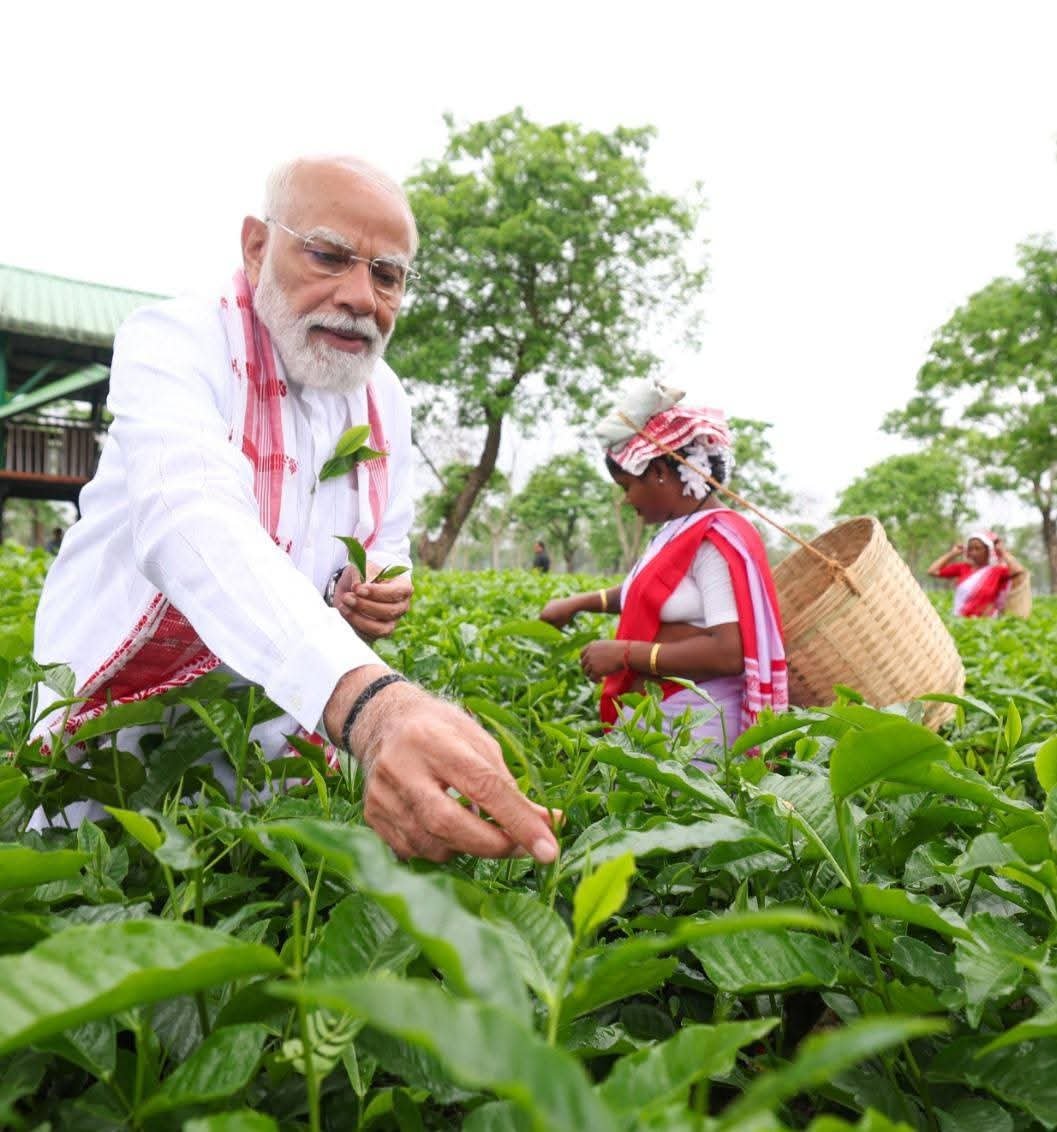
One of the most significant contributions of agri-tourism is income diversification. Small and marginal farmers frequently face uncertainties associated with unpredictable weather, fluctuating market prices, rising input costs and limited access to remunerative markets. Dependence on a single source of income makes rural households particularly vulnerable to economic and environmental disruptions. Agri-tourism can supplement agricultural earnings through accommodation, traditional cuisine, guided farm experiences, local product sales and recreational services. For example, apple orchards in Himachal Pradesh can offer blossom-viewing experiences during spring and harvesting activities during autumn. Similarly, tea gardens of Kangra can develop experiential tourism around tea cultivation, processing, tasting and traditional knowledge. Such diversification strengthens household resilience and creates opportunities to retain a greater proportion of tourism expenditure within rural communities.
Employment generation represents another important dimension of this emerging sector. Unlike conventional tourism models that frequently concentrate economic benefits in urban centres, community-oriented agri-tourism distributes opportunities across villages and agricultural households. It creates direct and indirect employment for farmers, rural guides, cooks, transport operators, artisans, homestay entrepreneurs and local service providers. Women can play a particularly transformative role through traditional food enterprises, handicrafts, hospitality management, self-help groups and locally produced value-added products. Similarly, educated rural youth can develop digital marketing initiatives, manage bookings, design experiential itineraries and establish tourism enterprises. Such opportunities can reduce distress-driven migration by making rural livelihoods economically attractive and socially meaningful.
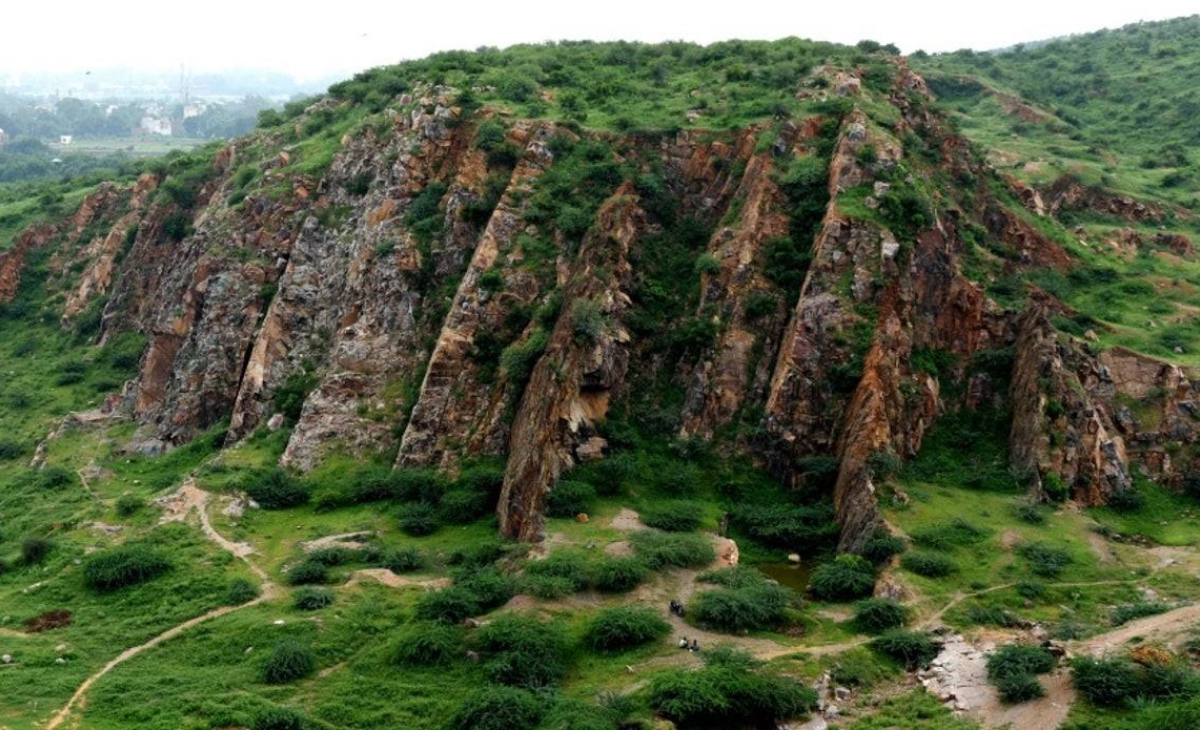
The Himalayan hills provide a distinctive geographical and cultural setting for developing agri-tourism. Their diverse agro-climatic conditions, terraced agricultural fields, fruit orchards, traditional settlements, pastoral landscapes and indigenous food systems offer substantial experiential value. Himachal Pradesh, Uttarakhand, Jammu and Kashmir, and other Himalayan regions possess considerable potential to integrate tourism with horticulture, organic agriculture, livestock rearing, traditional farming and village-based cultural experiences. Apple, plum, apricot, walnut and cherry orchards can become seasonal attractions, while traditional crops such as millets, rajma, buckwheat and indigenous varieties of rice can support culinary tourism. Experiences associated with shepherding, traditional irrigation systems, seed conservation and local agricultural festivals can further enrich the tourism product. The integration of these resources can strengthen the relationship between agricultural production, cultural preservation and responsible tourism.
Importantly, agri-tourism should not be understood merely as an alternative commercial activity but as a mechanism for preserving rural heritage and indigenous knowledge. Himalayan agricultural communities possess valuable traditional wisdom concerning climate adaptation, water conservation, biodiversity, seed preservation, livestock management and sustainable land use. Tourism provides an opportunity to interpret and communicate this knowledge to visitors, students and researchers. Demonstrations of traditional farming techniques, local architecture, folk traditions, indigenous cuisine and community celebrations can generate appreciation for rural cultural identity. This process can also encourage younger generations to recognise the economic and social value of their ancestral knowledge rather than abandoning it under the pressure of modernisation.
However, the long-term success of agri-tourism depends on responsible planning and effective institutional support. Unregulated tourism development may increase pressure on fragile mountain ecosystems, water resources, agricultural land and waste-management systems. Therefore, development strategies must prioritise ecological carrying capacity, responsible visitor management, renewable energy, water conservation, waste reduction and biodiversity protection. Tourism infrastructure should complement agricultural landscapes instead of transforming productive farmland into commercial construction. The principles of sustainable tourism and the Lifestyle for Environment (LiFE) movement provide an appropriate framework for encouraging environmentally responsible consumption, locally sourced food and resource-efficient tourism practices.
Institutional coordination is equally essential. Government departments responsible for agriculture, horticulture, tourism, rural development, skill development and environmental protection must work collaboratively. Universities and research institutions can contribute through capacity-building programmes, feasibility studies, entrepreneurship training, market research and impact assessment. Farmer Producer Organisations, self-help groups, Panchayati Raj Institutions and community-based organisations can facilitate collective marketing, product development and equitable benefit-sharing. Access to affordable finance, digital platforms, quality certification, professional hospitality training and market linkages would further strengthen farmers’ entrepreneurial capabilities. Public-private-community partnerships can also support infrastructure development without compromising local ownership and decision-making.
A particularly important consideration is ensuring that farmers remain the principal beneficiaries of agri-tourism. Tourism-led development must not displace agricultural priorities or create unequal commercial arrangements in which external operators capture most of the economic value. Community participation, transparent pricing, fair contracts and locally managed enterprises are therefore indispensable. Destination-level planning should identify the carrying capacity of villages, available agricultural resources, local skills and potential tourism experiences before investments are encouraged. Appropriate indicators should measure changes in farm income, employment, women’s participation, youth entrepreneurship, local procurement, cultural preservation and environmental quality.
From a broader developmental perspective, agri-tourism aligns with the objectives of Atmanirbhar Bharat, the Sustainable Development Goals and the vision of Viksit Bharat @2047. It contributes particularly to poverty reduction, decent work, gender equality, sustainable communities and responsible consumption. By connecting agricultural producers directly with consumers and visitors, it can strengthen rural value chains, promote local entrepreneurship and enhance the visibility of lesser-known destinations. Moreover, educational institutions can integrate farm-based learning, field immersion and community research into tourism curricula, preparing young professionals to develop innovative, socially responsible rural enterprises.
Ultimately, the future of Himalayan rural economies will depend on their capacity to combine economic opportunity with ecological responsibility and cultural continuity. Agri-tourism offers a meaningful pathway towards this objective by positioning farmers not simply as producers of agricultural commodities but also as custodians of landscapes, traditions and authentic visitor experiences. Its success, however, requires community ownership, institutional convergence, appropriate investment and a long-term commitment to sustainability. When thoughtfully developed, agricultural tourism can transform farms into centres of learning, villages into engines of entrepreneurship and traditional knowledge into a valuable developmental asset. It is therefore not merely a supplementary tourism product; it is a strategic opportunity to build a diversified, inclusive, resilient and environmentally responsible rural economy in the Himalayan hills and beyond.

Dr. Amrik Singh Thakur