
Subhash Mahajan
Bakloh, Chamba: The Gorkha community residing in Bakloh area of Bhattiyat subdivision in Himachal Pradesh’s Chamba district has begun its traditional five-day Diwali celebrations two days ahead of the main festival. Deeply rooted in Hindu faith and cultural heritage, the festival is marked by unique rituals, worship ceremonies, and community gatherings.
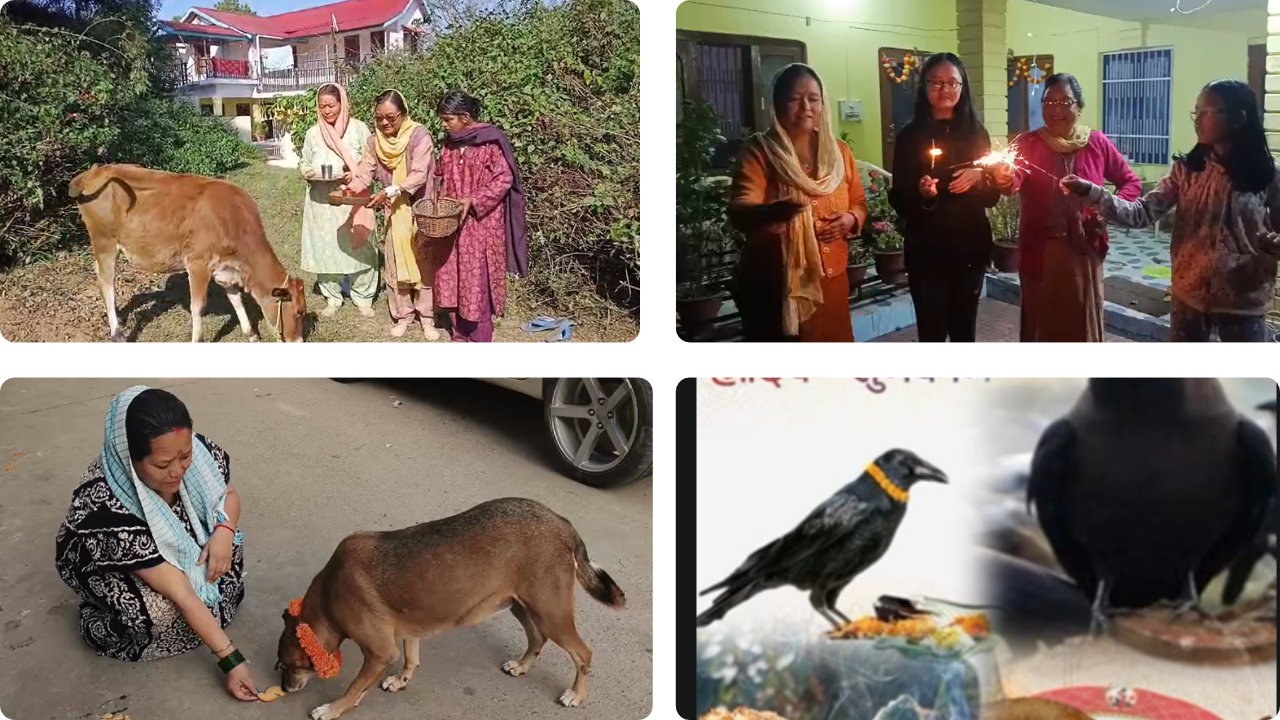
The celebrations commence with Kag Tihar, dedicated to the worship of crows, followed by Kukur Tihar, when dogs are honored as the messengers of Yama, the god of death. The festivities then move to the worship of cows, which are revered as a symbol of Goddess Lakshmi. Homes are traditionally cleaned and courtyards smeared with cow dung before earthen lamps are lit to welcome prosperity.
On the night of Lakshmi Puja, women and young girls of the Gorkha community visit homes singing traditional Bhailo songs, conveying blessings of peace, happiness, and prosperity. Families welcome the groups and offer donations, sweets, puffed rice, and other gifts as a mark of gratitude.
The celebrations continue with preparations for Bhai Tika, observed a day after Lakshmi Puja. During this period, groups of boys and girls perform traditional Deusi songs, going from house to house throughout the night. Through their songs, they spread messages of health, harmony, prosperity, and brotherhood while receiving blessings and festive contributions from residents.
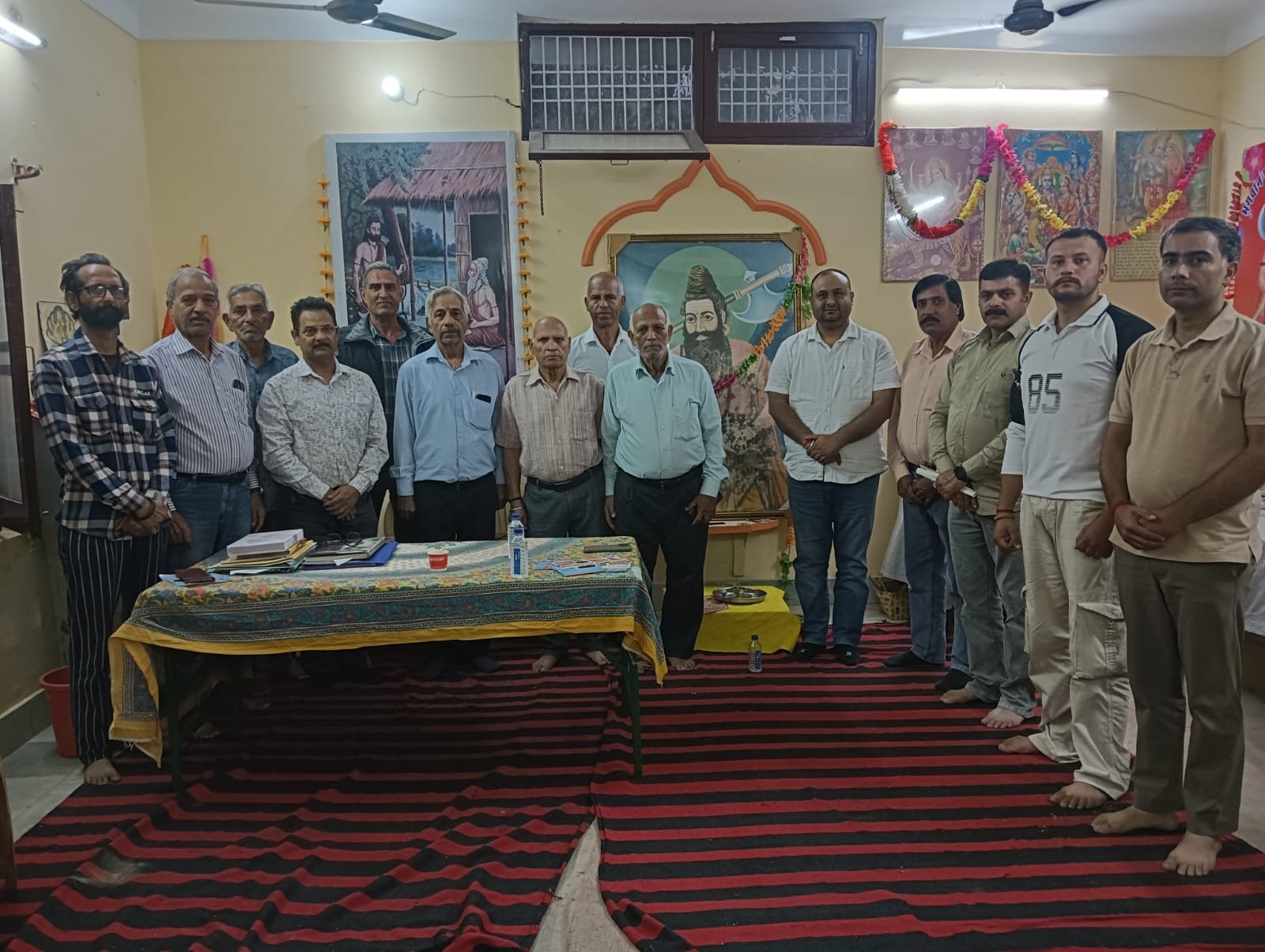
Community elders note that interest among younger generations in these traditional customs has been gradually declining. To preserve the rich cultural heritage, several social and community organizations have started organizing collective Deusi and Bhailo programs at different places, encouraging youth participation and keeping the age-old traditions alive.
The unique Diwali celebrations of the Gorkha community continue to serve as a vibrant expression of cultural identity, religious faith, and community bonding in the hill region of Chamba district.