
Munish Sood
Bilaspur
At a time when delays in panchayat elections have triggered political activity and uncertainty across Himachal Pradesh, a village in Bilaspur district has presented a striking example of consensus-driven governance.
The newly formed Chhandoh panchayat, created after bifurcation from Dadhol and Padyalag panchayats in the Ghumarwin subdivision, opted for unanimous selection of its leadership instead of conducting elections. The decision reflects a collective emphasis on development and social harmony over electoral competition.
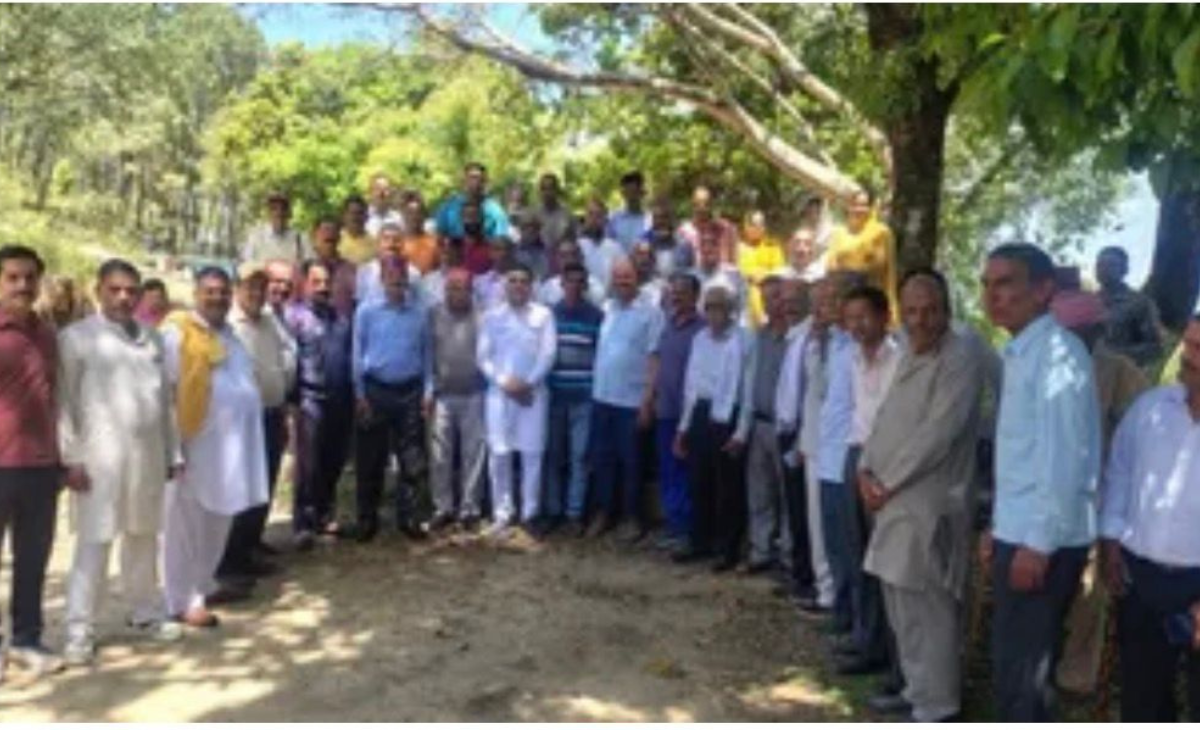
A meeting chaired by former panchayat head Mehr Singh brought together residents, who reached a consensus on all key positions. Subhash Ranaut was unanimously selected as the head of the panchayat, while Baljeet Kashyap was chosen as deputy head.
Five ward members were also selected without contest, representing different areas of the panchayat. The process was completed through mutual agreement, with no opposition raised against any of the nominees.
Baljeet Kashyap stated that the newly formed team would work in coordination to ensure equitable development across all villages under the panchayat’s jurisdiction.
Financial Incentive for Unanimous Selection
The state government provides financial incentives to encourage such consensus-based selections. A panchayat where the head, deputy head, and all ward members are elected unopposed is eligible for an incentive grant of ₹10 lakh.
Similarly, an amount of ₹5 lakh is awarded if all members of a Panchayat Samiti, including its chairperson and vice-chairperson, are chosen unanimously, while ₹15 lakh is earmarked for district-level bodies under similar circumstances.
Election Schedule Yet to Be Announced
More than 3,600 panchayats across Himachal Pradesh are due for elections, with the Supreme Court mandating completion of the process by May 31. The tenure of the previous पंचायत bodies ended on January 31, and authorities are in the final stages of preparation, with an announcement of election dates expected shortly.
The development in Chhandoh highlights an alternative approach to grassroots governance, where consensus and cooperation take precedence during a period of administrative transition.