
Lyra Sharma
Palampur
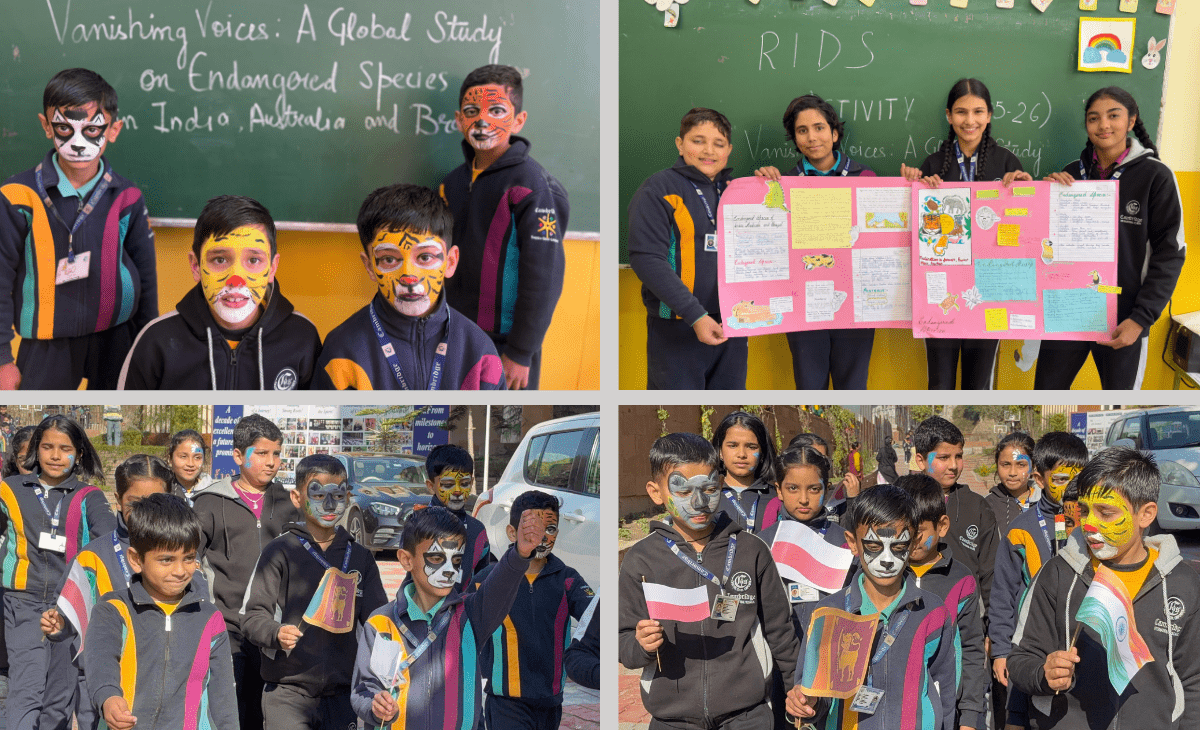
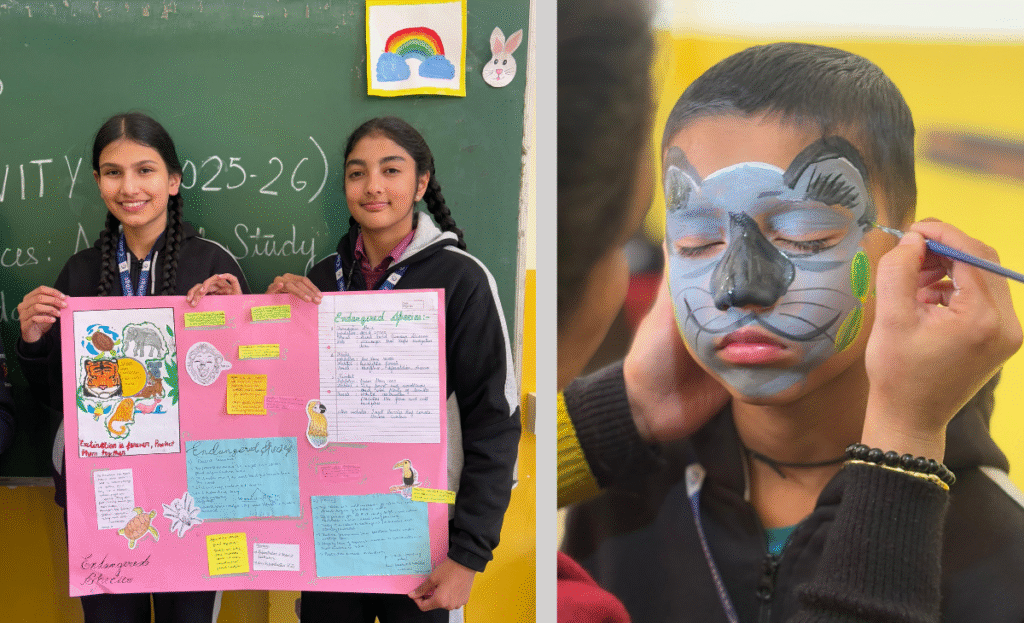
The alarming rate at which endangered species are disappearing across the globe has sparked concern among students and conservationists alike. Countries such as India, Australia, and Brazil—renowned for their rich biodiversity—are witnessing the rapid decline of unique plants and animals due to deforestation, climate change, pollution, and human negligence.
Species like the Bengal tiger in India, the koala in Australia, and the Amazon River dolphin in Brazil are now facing severe threats from habitat destruction, illegal hunting, forest fires, and unchecked urbanisation. Experts warn that the extinction of even a single species can disturb the delicate ecological balance, leading to long-term consequences for humanity.
The United Nations’ Sustainable Development Goals (SDGs), particularly SDG 13 (Climate Action) and SDG 15 (Life on Land), highlight the urgent need to conserve ecosystems and combat climate change. Protecting endangered species is seen as a vital step toward achieving these global objectives.
Students and environmental advocates are urging authorities to enforce stricter wildlife protection laws, promote afforestation, preserve natural habitats, and crack down on poaching and illegal wildlife trade. Equally important, they stress, is raising awareness among citizens about the impact of their actions on nature.
“Conservation is not just the responsibility of governments—it is the duty of every global citizen,” said Lyra Sharma, a Grade XII Humanities student, in her appeal. She emphasised that schools, communities, and young people must actively participate in conservation programmes and adopt sustainable practices to safeguard the planet for future generations.
Environmentalists hope this call to action will inspire collective efforts to protect the world’s precious natural heritage before it is too late.

Lyra Sharma
Cambridge International School
Palampur