
Himani Sharma
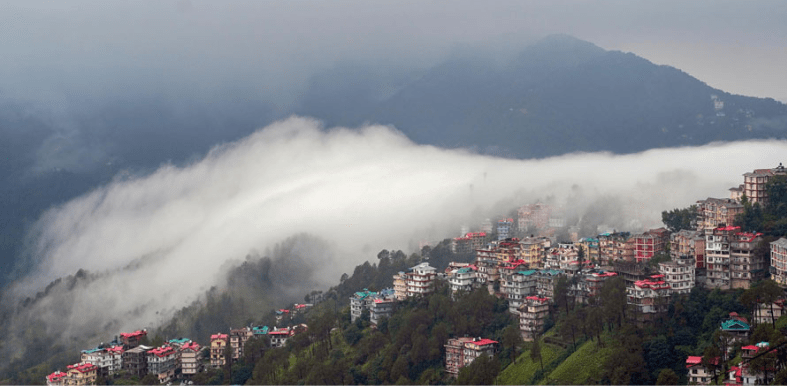
Dharamshala is often described as the spiritual heart of the Tibetan exile community in India. Nestled in the Himalayan foothills, the town became internationally recognised after The 14th Dalai Lama and thousands of Tibetan refugees arrived in India following the 1959 Tibetan uprising and the Chinese control of Tibet. Over time, Dharamshala evolved into a centre of Tibetan politics, culture and spirituality.
However, many Tibetans later moved from Dharamshala to settlements in Karnataka, creating a shift that significantly influenced Dharamshala’s economy, identity and tourism. The movement occurred primarily because Dharamshala could not accommodate the long term needs of a growing refugee population. Although Dharamshala held symbolic and political importance, it was geographically limited. Located in a mountainous region, the town had scarce flat land for housing, farming and large scale settlement.
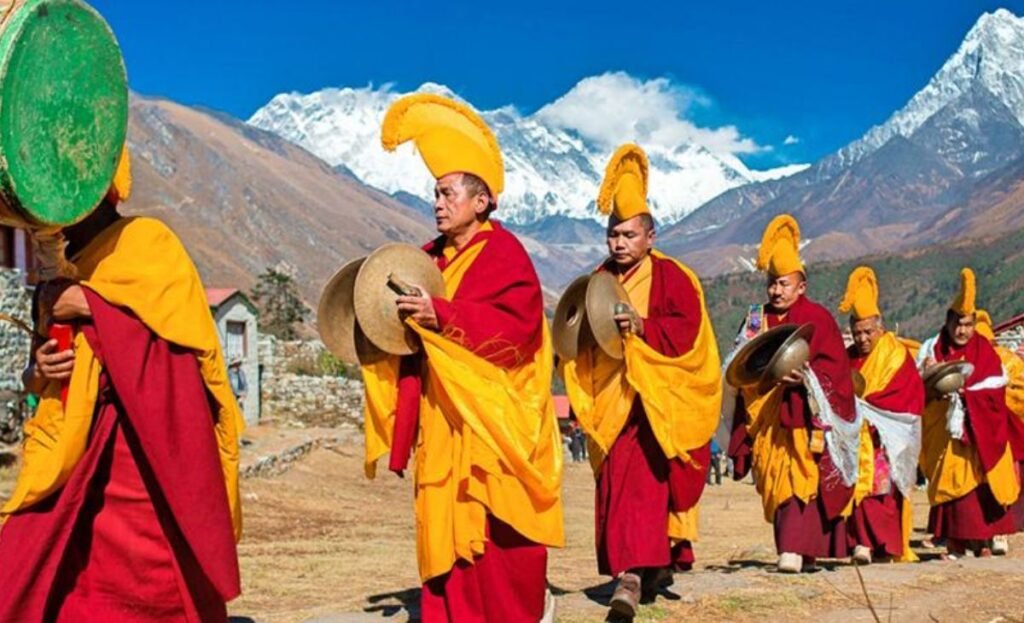
Employment opportunities were also restricted, especially for refugees seeking stable livelihoods. The Indian government therefore initiated rehabilitation efforts in the 1960s by allocating land in Karnataka for Tibetan settlement. Regions such as Bylakuppe and Mundgod offered wider land areas, agricultural opportunities and the possibility of building self sustaining communities. Many Tibetans moved south to pursue farming, education and organised community life, while Dharamshala remained the administrative and spiritual headquarters of the Tibetan exile community.
This migration produced mixed effects on Dharamshala’s tourism. Initially, the relocation reduced some of Dharamshala’s Tibetan population density. A larger permanent community might have intensified local Tibetan markets, neighbourhood activity and cultural production. The movement of families, workers and religious students to Karnataka redistributed parts of Tibetan social life across India rather than concentrating everything in Dharamshala. Yet paradoxically, this shift strengthened Dharamshala’s tourism identity. Since many Tibetans relocated for practical settlement rather than political leadership, Dharamshala became less of a broad residential centre and more of a symbolic destination.
It increasingly developed into the visible face of Tibetan exile for international visitors. The continuing presence of the Dalai Lama, the Central Tibetan Administration, monasteries and Tibetan cultural institutions gave Dharamshala a unique global image. Tourists were drawn by the town’s political significance, Buddhist teachings, Tibetan food, handicrafts and the atmosphere of cultural preservation.
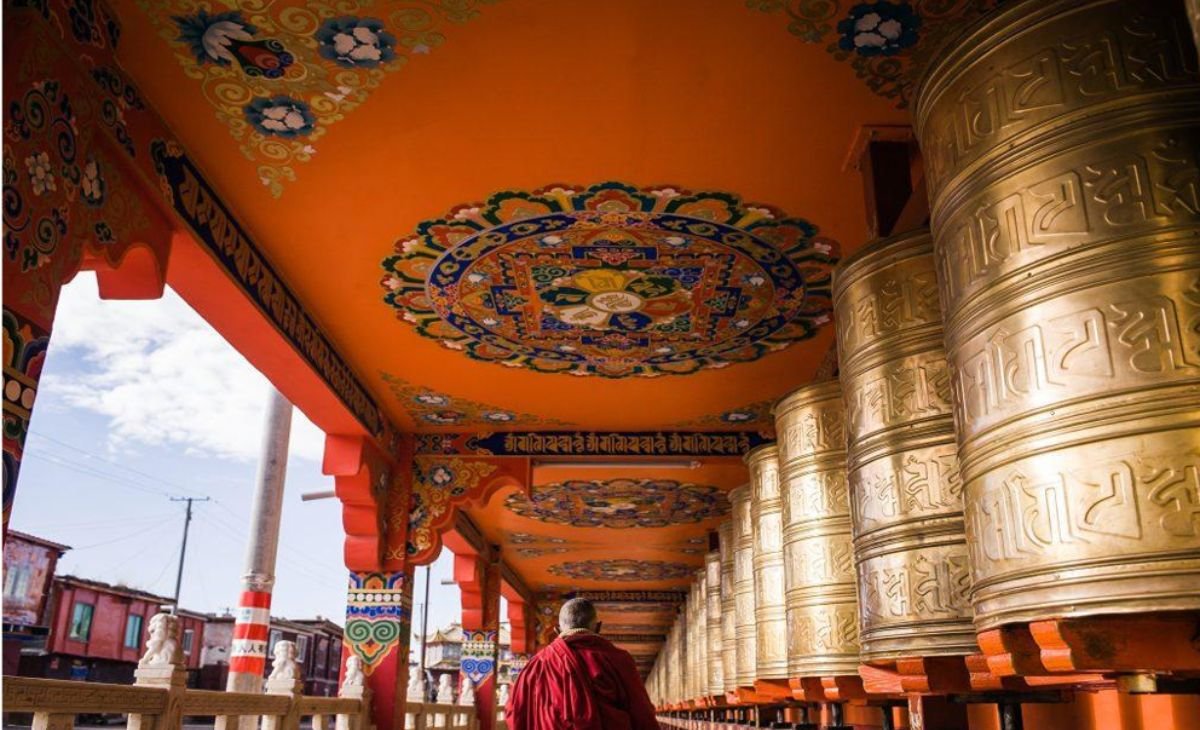
Rather than functioning primarily as a refugee settlement, Dharamshala emerged as a centre of cultural tourism and spiritual tourism. Spiritual tourism became especially prominent. Visitors travelled to Dharamshala to attend Buddhist teachings, meditation programmes and public talks associated with Tibetan Buddhism. The town’s identity became deeply connected to peace, compassion and philosophical learning.
This attracted pilgrims, researchers and travellers interested in inner reflection as much as sightseeing. The migration also created a network effect. Tibetan settlements in Karnataka preserved Tibetan culture at a larger scale, while Dharamshala retained symbolic visibility. This broader Tibetan presence across India increased global awareness of Tibetan life in exile, which in turn enhanced interest in Dharamshala as the movement’s recognised centre. Economically, tourism in Dharamshala expanded through hotels, cafés, bookstores, travel services and local markets.
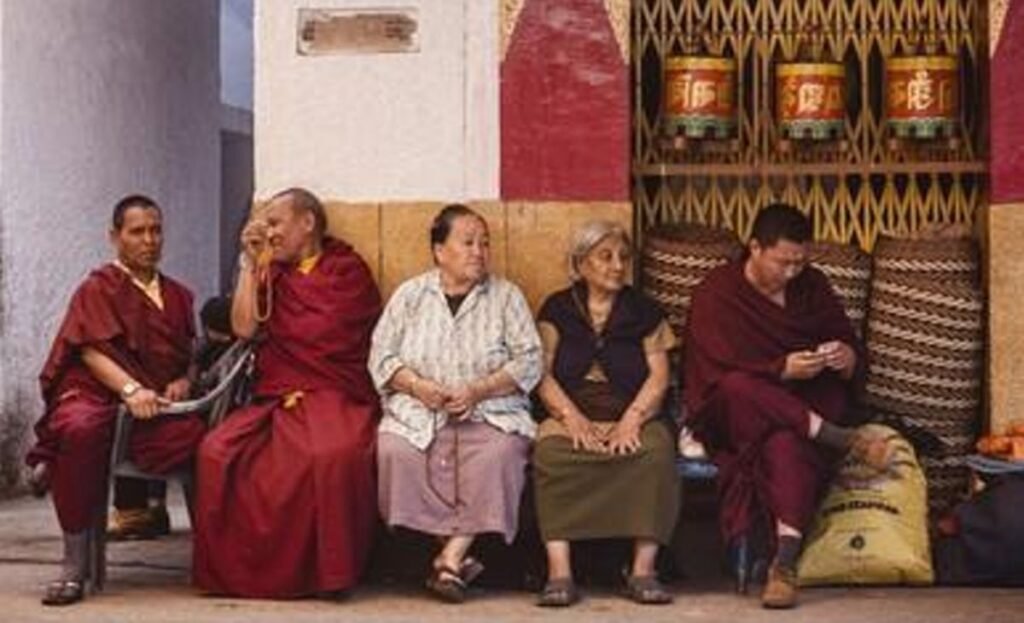
Tibetan culture became central to the town’s tourism economy. Shops selling prayer flags, traditional clothing, artwork and food became part of the visitor experience. Festivals and religious events further strengthened seasonal tourism. However, there were challenges. As Dharamshala became heavily associated with tourism, concerns emerged around commercialisation.
Parts of Tibetan identity risked being reduced to cultural display rather than lived experience. Increased tourism also contributed to environmental pressure, congestion and seasonal economic dependence. The migration of Tibetans from Dharamshala to Karnataka was therefore driven by practical needs such as land, livelihood and sustainable settlement. While it dispersed Tibetan communities geographically, it reshaped Dharamshala into a powerful spiritual and cultural destination.
What Dharamshala lost in residential concentration, it gained in symbolic influence. Today, the town is not merely a place where Tibetans live. It is a place where visitors encounter the story of exile, resilience and spiritual continuity. The migration changed Dharamshala from a refugee reception point into one of India’s most distinctive destinations for cultural understanding, political awareness and spiritual tourism.

Himani Sharma