

Says high court’s directive ‘erroneous’, it ventured into policy domain
TNR News Network
Shimla: In a major relief to lakhs of apple growers in Himachal Pradesh, the Supreme Court on has set aside the Himachal Pradesh High Court’s order directing the removal of fruit-bearing orchards raised on encroached forest land, holding that such a move would have far-reaching and harsh consequences for marginalised and landless families dependent on apple cultivation.
A Bench headed by Chief Justice of India Surya Kant and Justice Joymalya Bagchi termed the high court’s directive “erroneous” and said it ventured into the policy domain, where courts ought to tread cautiously. While restraining the felling of fruit-laden trees, the top court, however, clarified that the state government was free to proceed against encroachments on forest land in accordance with law.
HC order had ‘drastic consequences’: SC
Observing that the high court’s July 2 order mandating removal of apple orchards could severely impact vulnerable sections of society, the Bench said such directions should not have been issued. “The order has serious ramifications and affects marginalised sections and landless people,” the court noted, emphasising that decisions involving livelihood and rehabilitation fall within the realm of policy-making.
The Supreme Court asked the Himachal Pradesh government to prepare a welfare-oriented proposal and place it before the Centre to address the concerns of landless and economically weaker families engaged in apple farming. The court was hearing petitions filed by the state government and Shimla’s former Deputy Mayor and CPM leader Tikender Singh Panwar, along with activist advocate Rajiv Rai, challenging the high court verdict.
Monsoon felling, ecological risks flagged
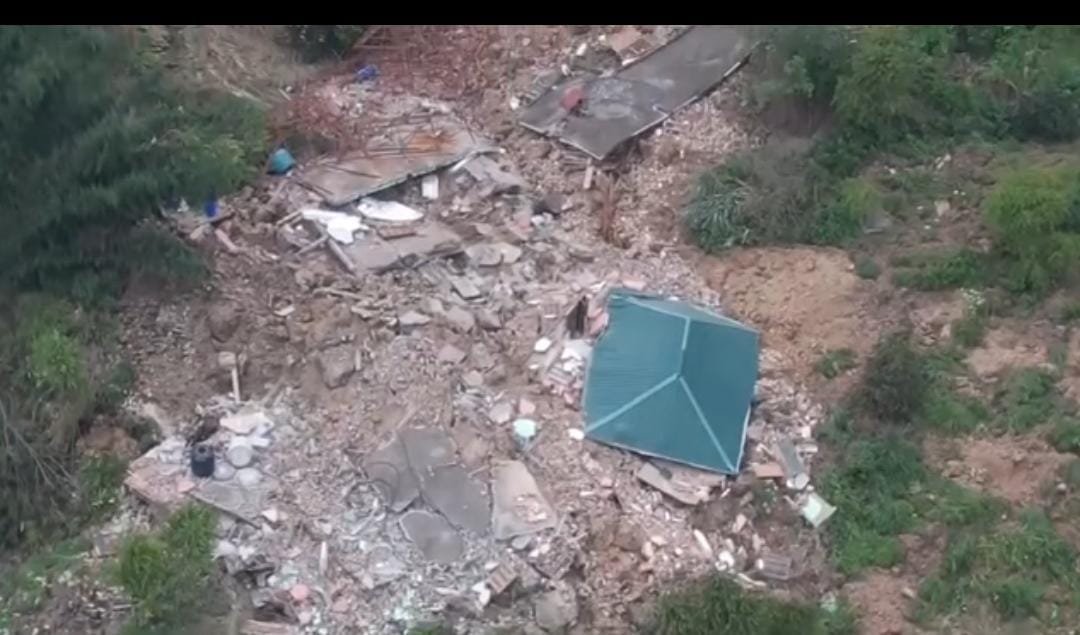
The petitioners had argued that the high court’s order, which directed the forest department to uproot apple orchards and replace them with forest species while recovering costs from encroachers as arrears of land revenue, was arbitrary and unconstitutional. They flagged the dangers of large-scale tree-felling during the monsoon, warning that it could significantly increase the risk of landslides and soil erosion in the fragile Himalayan region.
They contended that apple orchards contribute to soil stability, support local biodiversity and form the backbone of Himachal’s rural economy. Issuing blanket directions without a comprehensive environmental impact assessment (EIA), they argued, violated the precautionary principle and the right to livelihood under Article 21 of the Constitution.
Growers, farmer bodies welcome verdict
Public reports placed before the court indicated that by July 18, over 3,800 apple trees had already been felled in areas such as Chaithla, Kotkhai and Rohru, with plans to remove up to 50,000 trees across the state, triggering widespread public concern.
Welcoming the Supreme Court’s decision, Apple Growers Association secretary Sanjay Chauhan said the verdict had brought much-needed relief but stressed that the struggle would continue until disaster-affected, poor families and farmers were provided up to five bighas of land. Farmer leader and CPM MLA Rakesh Singha described the ruling as a victory for farmers, orchardists and the rural poor, saying it vindicated their sustained agitation against what they termed an unjust and impractical order.
Earlier, Chief Minister Sukhvinder Singh Sukhu had also expressed reservations over felling fruit-laden trees, stating that adequate time should be given at least to auction the produce. The Supreme Court’s ruling now effectively puts a halt to the controversial drive, balancing environmental concerns with livelihood and social justice.