
Munish Sood
Mandi
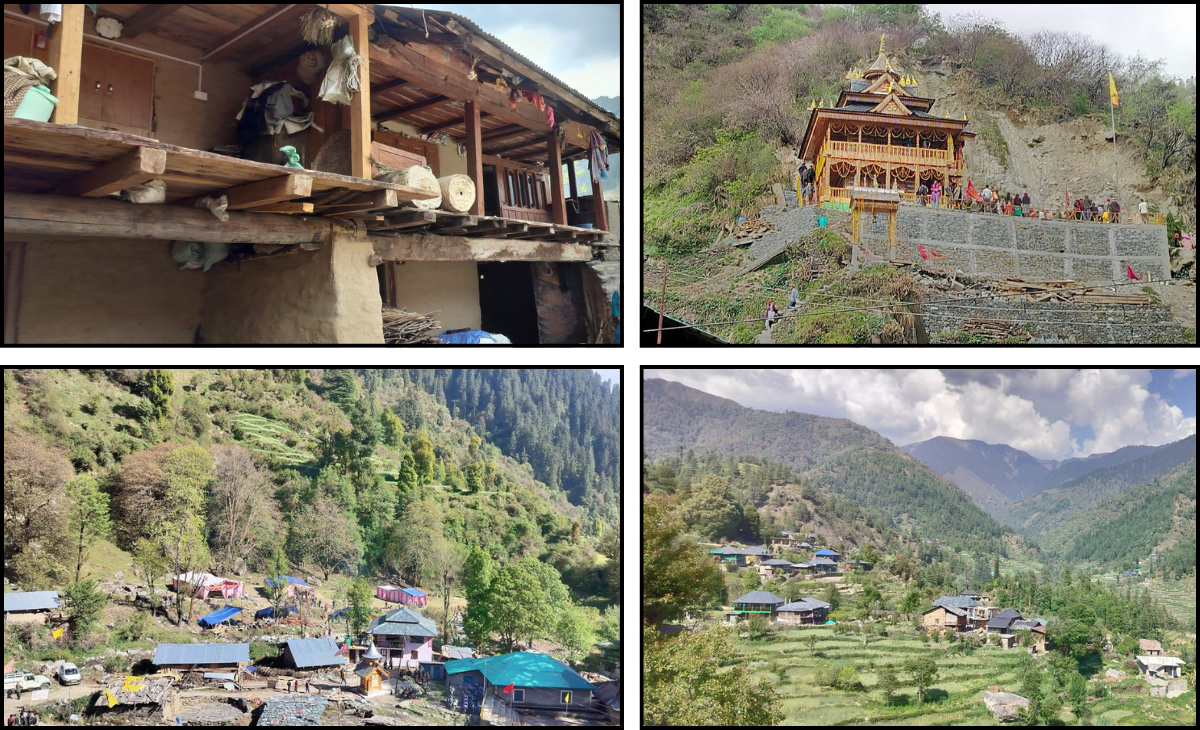
Tucked away in the rugged mountains of Mandi district, Chuhar Valley remains a land of breathtaking beauty, immense potential and enduring challenges. While significant development has taken place across the Drang Assembly constituency over the years, residents of the valley say its difficult geography and scattered population continue to leave many remote villages struggling for basic amenities.
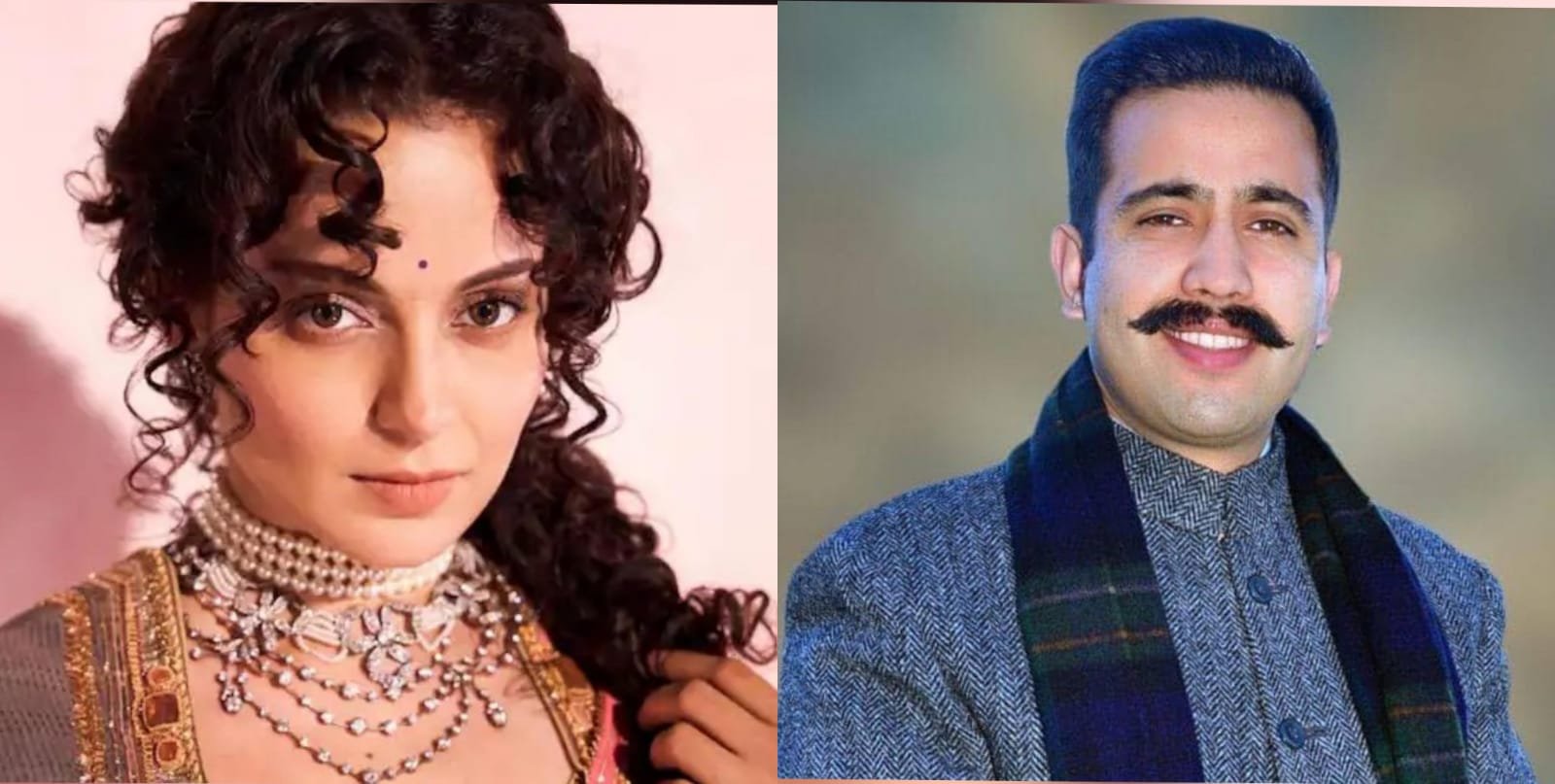
The valley falls under the Drang constituency, long considered a stronghold of senior Congress leader Kaul Singh Thakur, who is widely acknowledged for contributing to the development of the region during his decades-long political career. However, locals believe that Chuhar Valley’s unique topographical and demographic challenges require focused attention and a development strategy tailored specifically to the area’s needs.
“Development has certainly reached many parts of Drang, but the remoteness of Chuhar Valley demands special planning and sustained efforts,” said Sohan Singh of Dharagad Panchayat. “Even today, several villages continue to face hardships due to poor connectivity and limited access to essential services.”
The concerns are not without basis. Villages such as Khwan in Latran Panchayat, Kalhog, Kau and Naman in Barot Panchayat, and Lachhiyan in Bardhan Panchayat remain among the areas where residents often have to walk long distances to reach their homes. In many places, roads end far below the villages, forcing people to negotiate steep mountain trails on foot.
Healthcare access remains another major challenge. During medical emergencies, patients are often carried on makeshift stretchers or chairs to the nearest motorable road before they can be transported to a hospital. Essential commodities, meanwhile, are still transported to some villages on the backs of people or by horses.
For many residents, the valley’s future lies not merely in improving infrastructure but in unlocking its economic strengths.
“Chuhar Valley possesses enormous potential in agriculture, horticulture and tourism,” said Karan Singh of Barot. “If these sectors are developed in a planned and scientific manner, they can create sustainable livelihoods and reduce migration among young people.”
The region’s fertile land, favorable climate and rich natural resources make it well-suited for high-value agriculture and horticulture. Yet local farmers and orchardists say they need better market linkages, modern technology and stronger institutional support to compete effectively and increase their incomes.
At the same time, tourism experts and local stakeholders point to the valley’s pristine landscapes, dense forests, trekking routes and cultural heritage as untapped assets.
“We have everything that nature can offer to attract visitors,” said Anil Thakur from Bardhan Panchayat. “What is lacking is infrastructure, promotion and a long-term vision that can convert these natural advantages into economic opportunities for local communities.”
Residents say the issue is not merely one of resources but of priorities. They argue that while election campaigns often focus on promises and political narratives, core issues such as roads, healthcare, agriculture, horticulture and employment deserve greater attention.
“People are looking for accountability and results,” said Rattan Singh of Sanwad Panchayat. “The valley’s youth want opportunities at home. Farmers want better returns. Villages need roads and healthcare facilities. Development should not be limited to election slogans.”
A growing number of educated youth and community leaders have begun advocating for a development-centric approach that rises above party lines. Their message is that the future of Chuhar Valley should be shaped not by political affiliations but by a collective vision focused on sustainable growth and economic self-reliance.
For many residents, the road ahead is clear. Agriculture, horticulture and tourism must become the pillars of development, supported by improved infrastructure and better public services. Only then, they say, can the valley’s immense potential be fully realized.
Until that happens, Chuhar Valley remains a place where roads may end, but hope continues.