
Munish Sood
Mandi
‘If kindness is our nature, where does violence stem from?’ Spiritual leader highlights loneliness, fear and lack of belonging as underlying causes of emotional distress
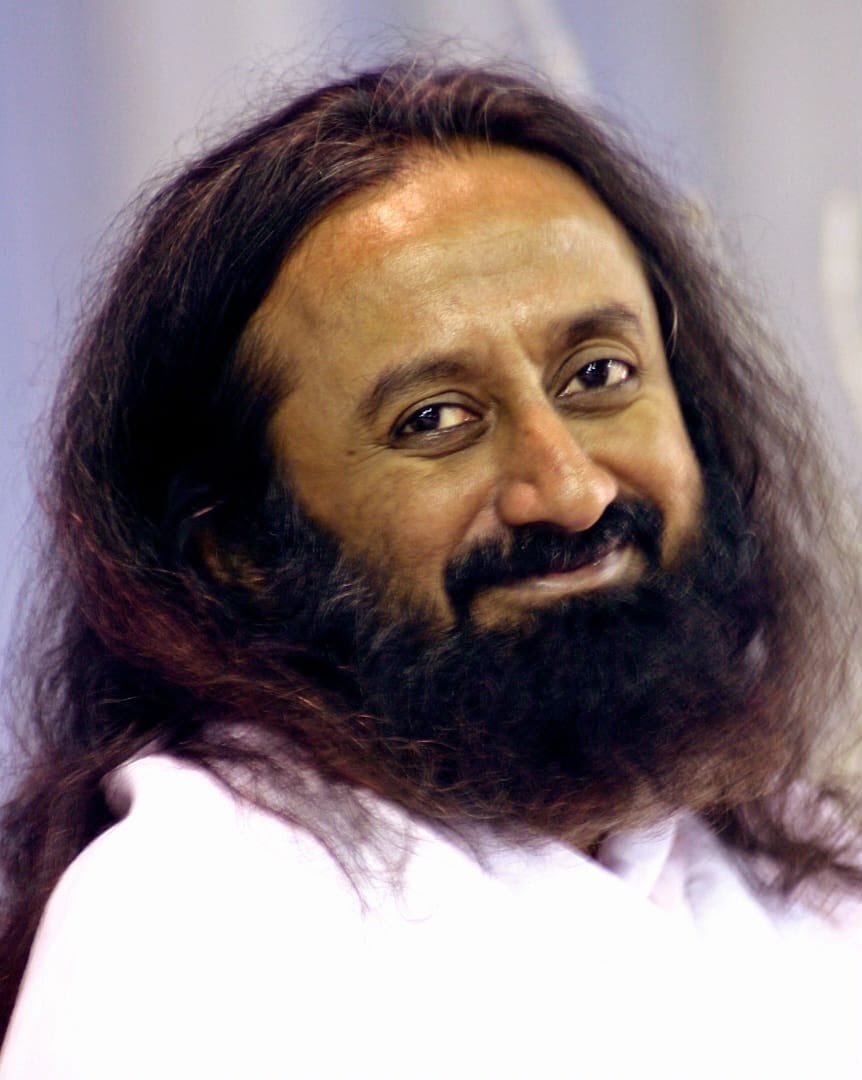
On World Mental Health Day, Gurudev Sri Sri Ravi Shankar has called for greater awareness of mental health, emphasising that kindness, compassion and joy are fundamental to human nature, while violence and emotional distress often stem from deeper psychological and social challenges.
Reflecting on the roots of human behaviour, Gurudev observed that aggression and a lack of compassion are often linked to isolation, fear, rejection and the absence of a sense of belonging. Understanding these underlying causes, he said, is essential to addressing emotional distress and fostering a more compassionate society.
Drawing attention to the relationship between mental health and violence, he stressed that society must look beyond punishment and focus on helping individuals understand and transform their behaviour. While people suffering from physical illnesses receive medical treatment, those struggling with harmful behaviour also need appropriate tools and techniques to address their emotional and psychological challenges.
Mental health, he noted, has emerged as one of the most pressing challenges across the world, affecting people in both developed and developing countries, irrespective of their social or economic circumstances. Young people, in particular, are increasingly grappling with depression, loneliness, aggression and emotional instability.
Gurudev also highlighted loneliness as a growing concern in modern society, pointing out that it can affect even those who enjoy financial security, family support and social connections. The inability to remain comfortable with oneself and find inner peace, he suggested, can contribute to this sense of isolation.
He emphasised that emotional well-being is rarely taught systematically at home or in schools, leaving many people without the skills to manage anger, frustration, jealousy and sadness. Developing emotional awareness and learning to respond to difficult feelings constructively are therefore essential for building healthier individuals and communities.
Breathing and meditation as tools for mental well-being
Highlighting the role of breath in regulating emotions, Gurudev described breathing techniques and meditation as practical tools that can help people manage stress and improve their emotional balance. According to him, different emotional states are accompanied by changes in breathing patterns, making conscious breathing an important way to develop greater awareness of the mind and body.
He cited Sudarshan Kriya, a breathing practice taught through the Art of Living, as one of the techniques that practitioners have used to address feelings of anxiety and hopelessness. Such practices, he said, can help individuals develop greater control over their thoughts and emotions rather than feel overwhelmed by them.
Gurudev also underlined the importance of living in the present moment. Observing how children can move quickly from sadness to happiness, he suggested that adults too can learn to let go of negative emotions instead of carrying them for prolonged periods.
Comparing mental well-being with physical hygiene, he called for daily attention to mental health, just as people maintain their physical cleanliness through regular habits. A few minutes of breathing exercises and meditation, he said, can help restore calmness and cheerfulness, while self-acceptance can encourage compassion towards others.
Service and human connection at the heart of healing
Emphasising the importance of community and purpose, Gurudev said that serving others without expecting anything in return can strengthen emotional well-being and create a deeper sense of connection. Encouraging young people to participate in acts of service, he noted, can help them develop empathy, open their hearts to others and discover a greater sense of purpose.
His message on World Mental Health Day underlines the need to treat mental health as an integral part of overall well-being. Greater emotional awareness, supportive relationships, meditation, breathing practices and community engagement, he suggested, can contribute to a society in which compassion replaces isolation and individuals feel a stronger sense of belonging.
The broader message is that mental health requires attention, understanding and care. Building a healthier society begins with recognising emotional struggles, encouraging people to seek appropriate support and creating environments where kindness, connection and psychological well-being can flourish.