
Dr. Amrik Singh Thakur
Dharamshala
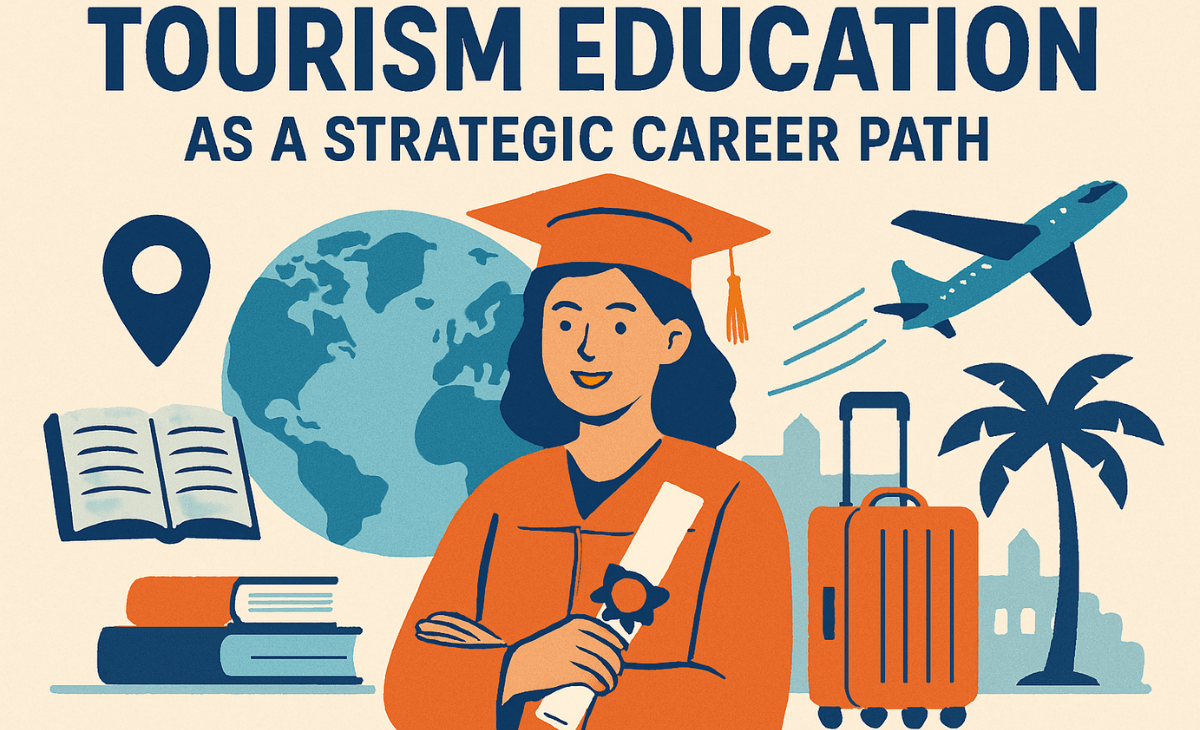
As Bharat continues to progress toward becoming one of the world’s major economies, the Travel, Tourism, and Hospitality sector is increasingly recognized as a key driver of national development. In a global environment characterized by economic fluctuations and rapid technological change, Bharat’s expanding international partnerships and improved connectivity have created new opportunities for tourism growth. Enhanced trade relations, better transportation networks, and stronger global engagement have led to a steady rise in both inbound and outbound travel. In this changing landscape, higher education in tourism has evolved into a dynamic field that offers diverse and promising career pathways.
Tourism education, particularly through specialized programs such as postgraduate diplomas in Cultural Tourism and Adventure Tourism, prepares students to meet the demands of a modern and globally connected industry. These programs are designed to develop managerial competence, cultural awareness, sustainability consciousness, and entrepreneurial skills that are essential for the tourism sector today.
Cultural Tourism draws inspiration from Bharat’s rich and diverse civilizational heritage. The country’s historic cities, architectural monuments, languages, festivals, spiritual traditions, classical arts, and crafts form a vibrant cultural landscape that attracts visitors from around the world. However, cultural tourism is not merely about presenting monuments or historical sites; it also involves interpreting heritage, preserving authenticity, and transforming cultural resources into sustainable economic opportunities. Professionals trained in cultural tourism often work as heritage managers, destination marketing specialists, travel advisors, cultural consultants, and tourism researchers. They design meaningful experiences such as heritage walks, culinary tours, spiritual journeys, tribal immersion programs, and craft-based tourism circuits that allow travelers to engage deeply with local cultures. At the same time, they help ensure that tourism benefits local communities without eroding cultural identity.
Traditional tourism roles such as travel agents and travel consultants have also undergone significant transformation. Modern travel planning requires knowledge of visa procedures, international regulations, digital booking systems, travel insurance, and risk management. Professionals with advanced training are better equipped to navigate these complexities and provide comprehensive travel solutions.
The aviation and airport sector offers another growing career avenue. As regional connectivity expands and international routes increase, opportunities in airline customer service, ground operations, and aviation hospitality continue to rise. Tourism graduates often possess strong communication skills and a customer-focused approach, making them valuable contributors to aviation-related services.
Hospitality remains the foundation of the tourism industry. Hotel managers, resort administrators, guest relations executives, and hospitality professionals play a crucial role in shaping the experiences of travelers. Modern hospitality extends far beyond accommodation; it includes wellness tourism, conference hosting, culinary experiences, and sustainable hospitality practices. Knowledge of cultural tourism helps hospitality professionals incorporate local traditions and heritage into guest experiences, while adventure tourism expertise supports the development of eco-resorts, mountain lodges, and wilderness camps.
Adventure Tourism is emerging as one of the fastest-growing segments of the tourism industry. Bharat’s varied geography—from the Himalayan mountains to coastal areas and desert regions—provides immense opportunities for activities such as trekking, mountaineering, rafting, paragliding, and wildlife exploration.
Eco-tourism has gained increasing global attention as environmental awareness grows. Tourism professionals today must integrate ecological responsibility into tourism development. Eco-tourism specialists often work with conservation agencies, community groups, and government institutions to design responsible tourism initiatives that support biodiversity protection, waste management, and sustainable infrastructure while generating income for local communities.
Another emerging opportunity lies in the Meetings, Incentives, Conferences, and Exhibitions (MICE) sector. As Bharat hosts a growing number of international conferences, cultural events, and business summits, the demand for trained event and conference planners is increasing. These professionals coordinate logistics, hospitality arrangements, branding, and protocol management for large-scale events.
Digital transformation has also reshaped tourism promotion and management. Destination marketing and digital tourism strategies now play a crucial role in attracting visitors. Tourism professionals analyze traveler preferences, design promotional campaigns, and manage digital engagement through online platforms. Travel writers, bloggers, and digital content creators also influence how destinations are perceived globally.
Moreover, tourism contributes significantly to rural development and community empowerment. Cultural and adventure tourism initiatives often create livelihood opportunities in remote areas by supporting artisans, guides, transport operators, hospitality workers, and local entrepreneurs. In this way, tourism fosters inclusive growth while preserving local traditions and natural resources.
In conclusion, tourism is no longer a secondary career option; it has become a strategic profession that contributes directly to economic growth, employment generation, cultural preservation, and environmental sustainability. For students seeking a career that combines creativity, mobility, and meaningful engagement with people and cultures, tourism education provides a promising and rewarding pathway. By pursuing specialized training in tourism, learners prepare not only for professional success but also to contribute to a sector that connects Bharat with the world.
Dr. Amrik Singh Thakur
Central University of Himachal Pradesh,
Dharamshala