
‘Bhaand’ and ‘Adamya’ take second and third places; major honours announced across direction, writing, acting and technical categories
Munish Sood
Mandi
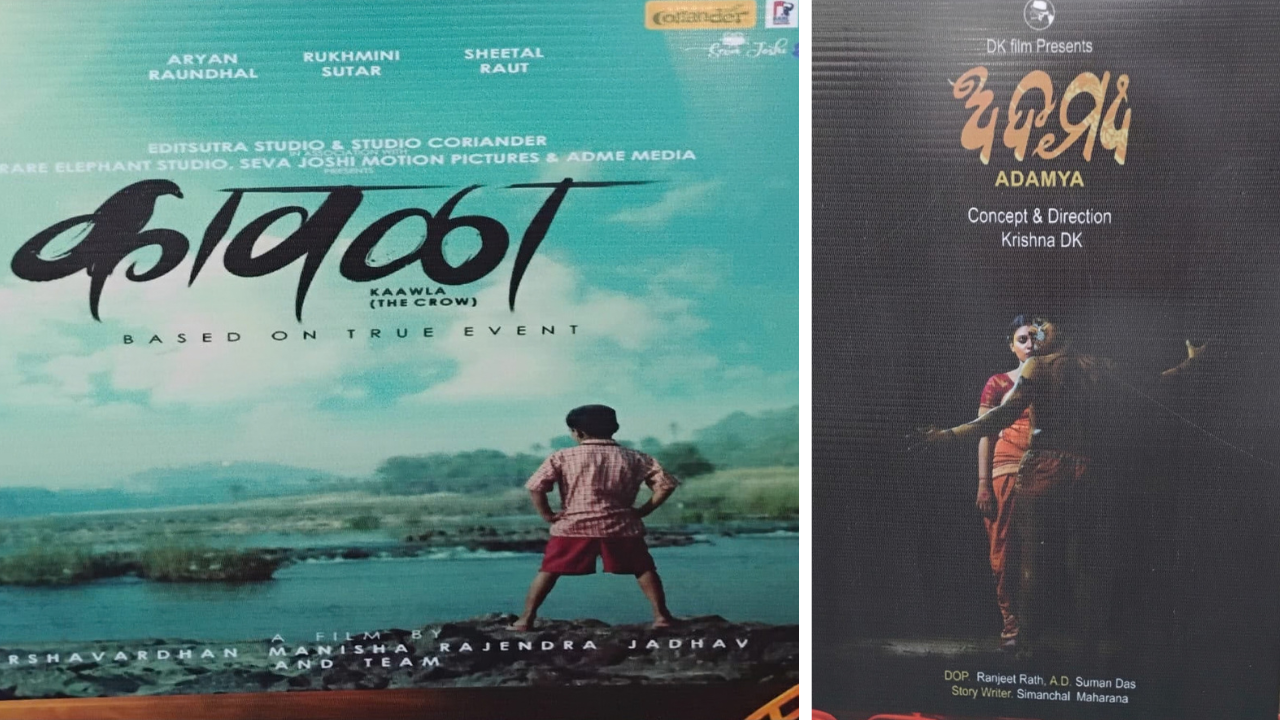
The International Cinema Festival 2026 concluded on a high note with ‘Kawala (The Crow)’ emerging as the Best Film, while ‘Bhaand’ secured the second position and ‘Adamya’ was placed third. The awards recognised a wide range of cinematic talent, with honours presented across direction, writing, acting, child performance, cinematography and editing.
The festival brought together short films and documentaries from different parts of the country, offering audiences a diverse selection of stories rooted in social realities, human relationships, traditions and contemporary concerns.
In the Best Director category, Harshvardhan Rajendra Jadhav of Kawala (The Crow) won the top honour, followed by Arunabh Mukherjee of Bhaand and Yojit Soni of The Forbidden Card.
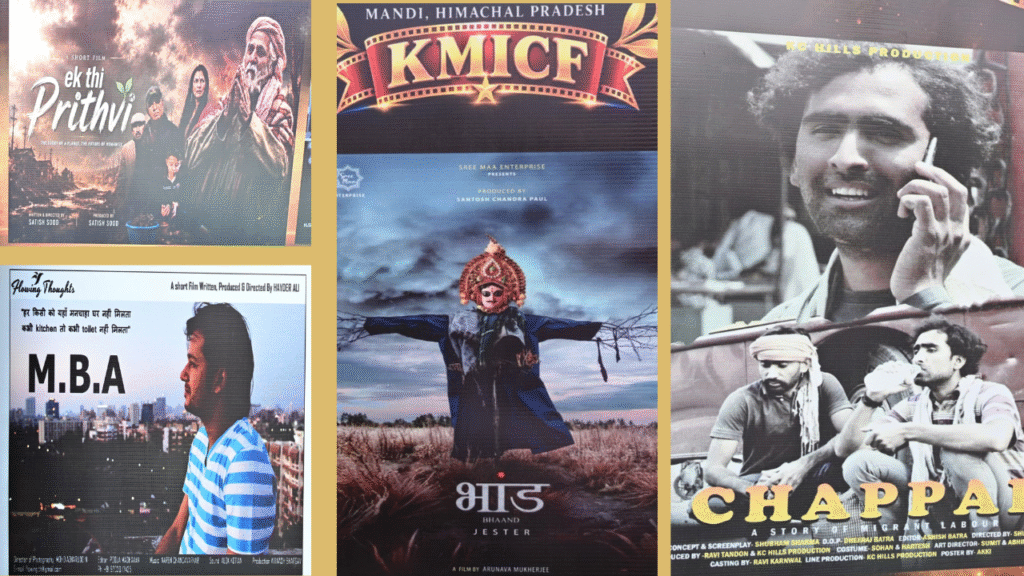
Mukherjee also won the Best Writer award for Bhaand. Jadhav of Kawala (The Crow) finished second, while Haider Ali of M, B, A secured the third position.
The Best Actor award went to Prosenjit Kundu for his portrayal of Kanai in Bhaand. Ravi Karnwal, lead actor in Chappal, was placed second, while Kaushik Sawul, who played Kedar in Tanuj, took third place.
In the Best Actress category, Debdatta Chatterjee won the top honour for her role as Bini in Bhaand. Sheetal Raut, who portrayed Ai in Kawala (The Crow), was second, while Anushree Shukla, for her role as the “Girl on a Train” in Trapido, secured third place.
The festival also recognised young talent. Aryan Raundal, who played Ganya in Kawala (The Crow), won the Best Child Artist award. Sanchit Chakraborty, who portrayed Phulwa in Bhaand, was second, followed by Vatsal Rathore of Alarm Ghadi. Vishwambhara Vidya of Munia secured fourth place.
In the technical categories, Vishal Goswami and Aman Gupta of The Forbidden Card won the Best Cinematographer award. Sopan Purandare of Kawala (The Crow) came second, while Shrey Joshi of Trapido took third place.
The Best Editing award went to Naveen Jave for Majra. Shrey Joshi of Trapido was placed second, while Prahant Kadam (PK) of Jawabon Ka Safar secured third place.
The festival jury gave a Special Jury Mention to Chappal. Ek Sakht Goonthi Hui Choti and Tanuj were also recognised as specially mentioned short films.
‘Jail Second Chance’ dominates documentary honours
The documentary section saw a strong showing by ‘Jail Second Chance’, which won multiple major awards. The film was named Best Documentary Film, while its director Harshit Mishra received the Best Director honour.
Niwan Prachurya won Best Cinematographer and Tarun Aerial was named Best Editor for the documentary. ‘Raw Frames by Suraj Negi’ received a Special Mention in the documentary category.
The awards reflected the breadth of filmmaking showcased at the festival, with stories ranging from folk traditions and social change to human resilience, relationships and the impact of inherited customs on younger generations.
BOX | The stories behind the top three films
‘Kawala (The Crow)’
Directed by Harshvardhan Rajendra Jadhav, the film follows eight-year-old Ganu, who lives with his mother and grandmother in a traditional village. During menstruation, his mother isolates herself in accordance with local customs and tells Ganu that she has been “bitten by a crow.” His innocent curiosity sends him on a journey through folk beliefs and stories surrounding the mysterious bird. When he eventually encounters a crow, he returns home and imitates his mother’s isolation rather than questioning her. Through a child’s perspective, the film explores how traditions are transmitted across generations and how they shape young minds.
‘Bhaand’
The film centres on a traditional performer who survives by changing his appearance and playing different characters as a bahurupiya artist. But as society changes, his art loses its value, leaving his family on the brink of starvation. At his most desperate moment, he considers selling his daughter, only to remember a promise from a person who had assured him of fair compensation for his art in the city. That hope prevents him from taking the devastating step. The film ultimately underlines the importance of compassion and extending a helping hand to those struggling to survive.
‘Adamya’
Directed by Krishna D.K., Adamya explores the enduring significance of folk art as a source of cultural identity, human values and courage. The film presents folk traditions as a guiding force that can nurture humanity, strengthen communities and inspire people to stand against injustice and oppression.
The festival organisers congratulated all the winning filmmakers, actors, artists, technicians and production teams, whose work contributed to a vibrant celebration of cinema and creative expression.
Available next action:  Create a downloadable PDF file here in this chat containing the finalized decisions and immediate actions above