
Himani Sharma
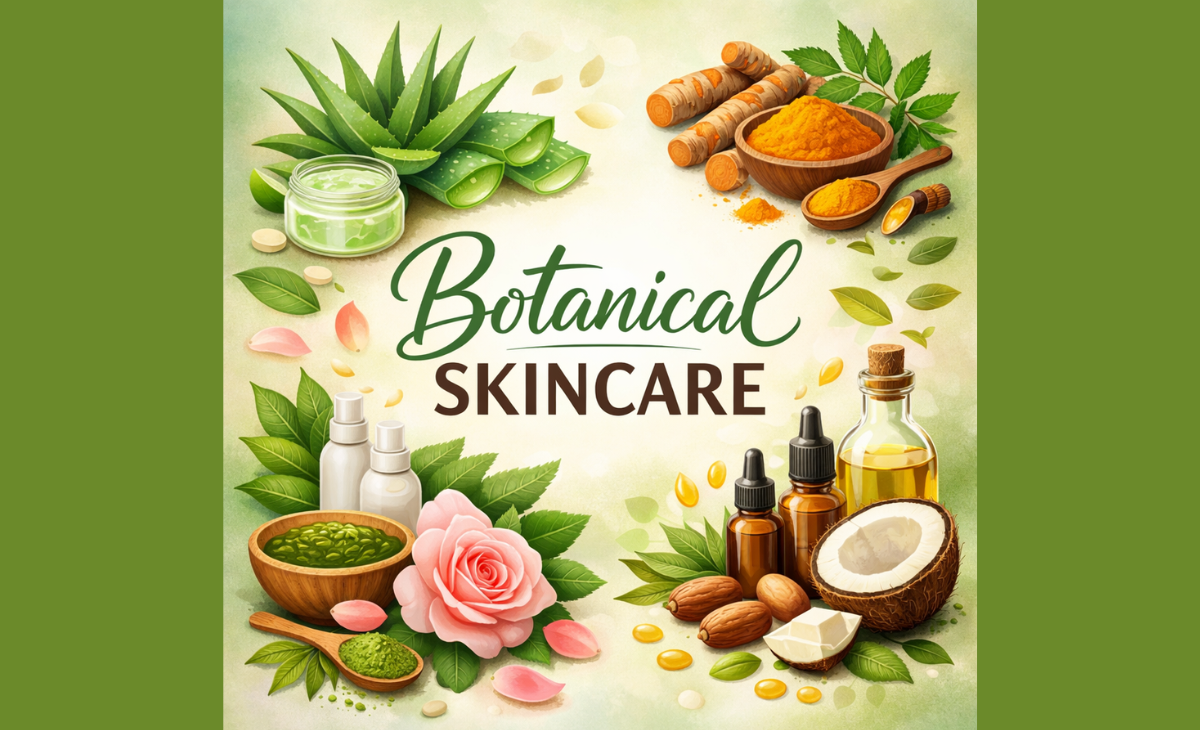
The use of natural plants in skincare has evolved from traditional household remedies into a scientifically supported field within cosmetic research. Across cultures and industries, plant based ingredients have demonstrated remarkable potential in maintaining skin health, treating common skin concerns and promoting sustainable beauty practices.
Their effectiveness lies in a rich combination of bioactive compounds such as antioxidants, vitamins, flavonoids, essential oils and anti inflammatory agents. To understand their role more clearly, it is useful to examine specific plant examples as case studies that illustrate both traditional importance and modern application.
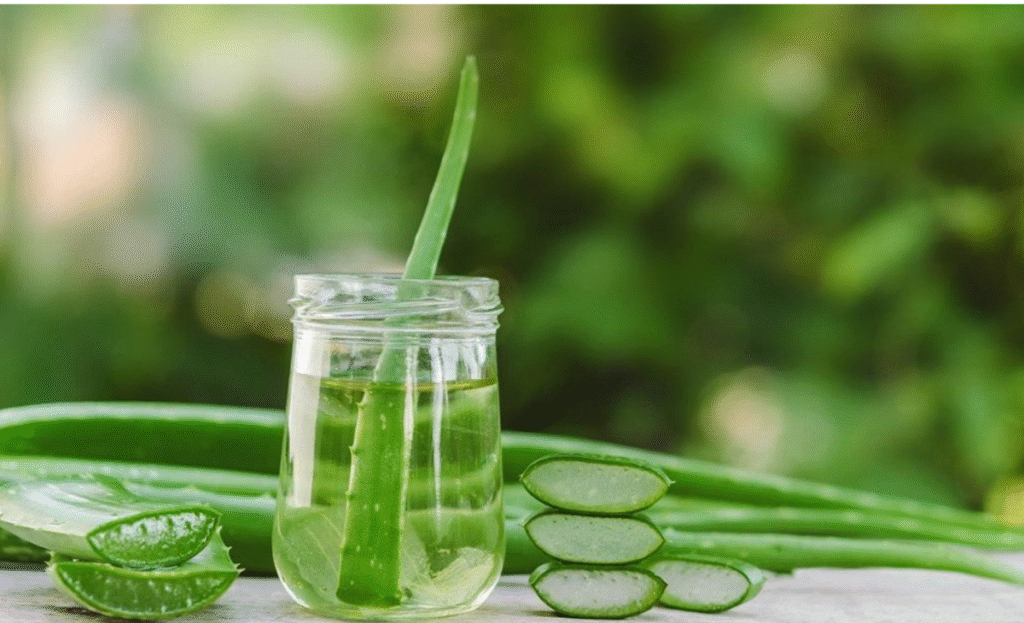
Case Study 1: Aloe vera as a Hydrating and Repair Supporting Botanical Aloe vera remains one of the most extensively used plants in skincare. Traditionally used in many cultures for burns and skin irritation, Aloe vera has become a globally recognised cosmetic ingredient. Its gel contains polysaccharides, amino acids, enzymes and vitamins that support hydration and skin comfort. In skincare formulations, Aloe vera is commonly used in moisturisers, after sun products and soothing gels. Clinical and cosmetic studies have shown that Aloe based products can improve moisture retention and help reduce visible irritation. Its cooling effect and lightweight texture make it especially useful for sensitive and dry skin. The commercial success of Aloe vera demonstrates how a traditional remedy can be adapted into modern skincare while retaining functional value.
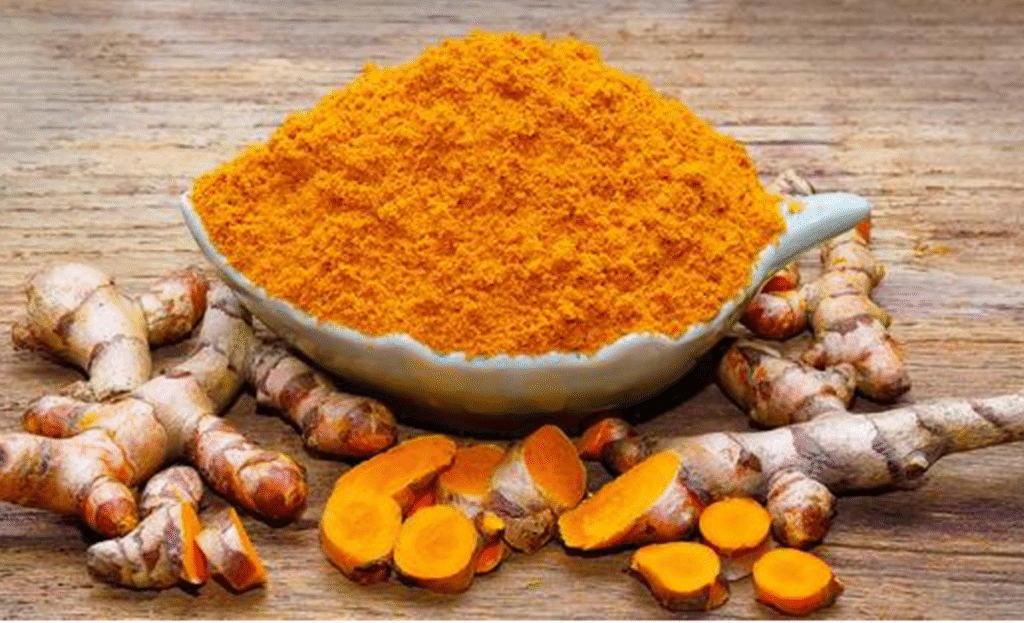
Case Study 2: Turmeric in Skin Brightening and Surface Clarity Turmeric has long been central to South Asian skincare traditions, particularly in ceremonial and pre wedding skin rituals. The key active component, curcumin, is known for antioxidant and anti inflammatory activity. Turmeric is used in masks, creams and cleansing products aimed at improving skin clarity and supporting an even looking complexion. Research has shown that curcumin can help reduce oxidative stress and support calmer skin appearance. The integration of turmeric into modern cosmeceuticals shows how traditional botanical knowledge can inspire evidence based skincare development.
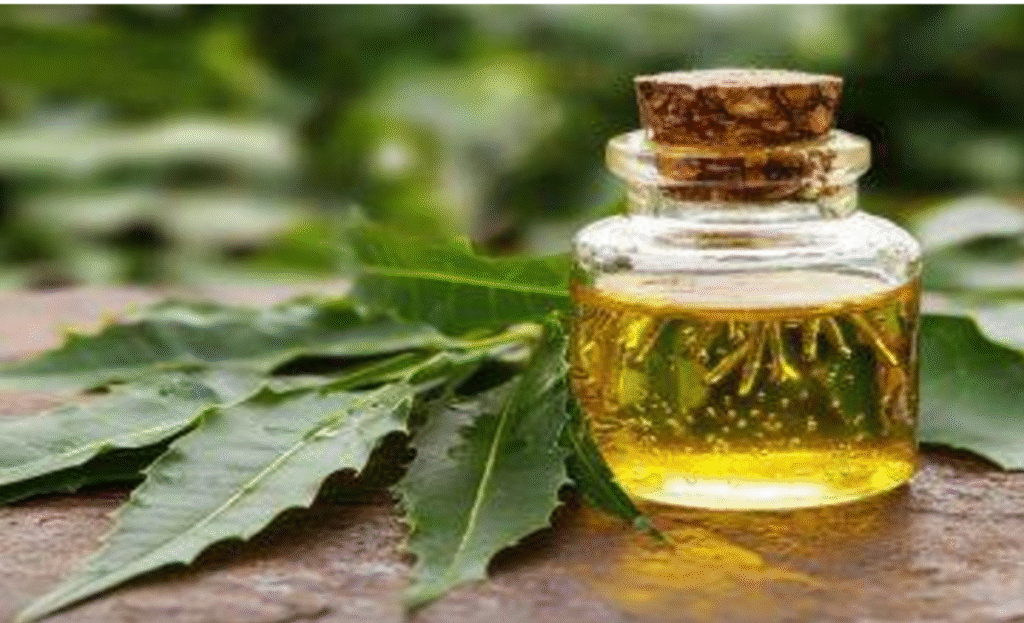
Case Study 3: Neem in Purifying and Protective Skincare Neem is widely used in herbal skincare because of its cleansing and protective properties. Neem contains compounds such as nimbidin and azadirachtin that contribute antimicrobial and antioxidant effects. It is frequently included in soaps, cleansers and face masks intended for oily or blemish prone skin. In Indian herbal product development, neem based skincare has remained highly popular due to its strong cultural trust and broad utility. Neem serves as an example of how medicinal plants can contribute to daily preventive skincare.

Case Study 4: Green tea in Modern Antioxidant Skincare Green tea represents the transition of botanical ingredients into advanced skincare science. Rich in catechins and polyphenols, green tea is recognised for antioxidant protection against environmental damage. It is used in serums, creams and masks to support skin defence and reduce visible stress. Cosmetic studies have explored its role in improving skin appearance exposed to pollution and sunlight. Green tea shows how botanical ingredients can become central to science driven skincare innovation.

Case Study 5: Rose in Toning and Skin Comfort Rose has maintained popularity in both traditional and commercial skincare systems. Rose water is valued for refreshing, hydrating and balancing properties. It is widely used as a toner and facial mist. Its mild aromatic and soothing nature makes it useful in products designed for sensitive skin. Rose based skincare highlights the combination of sensory appeal and functional skincare benefits.
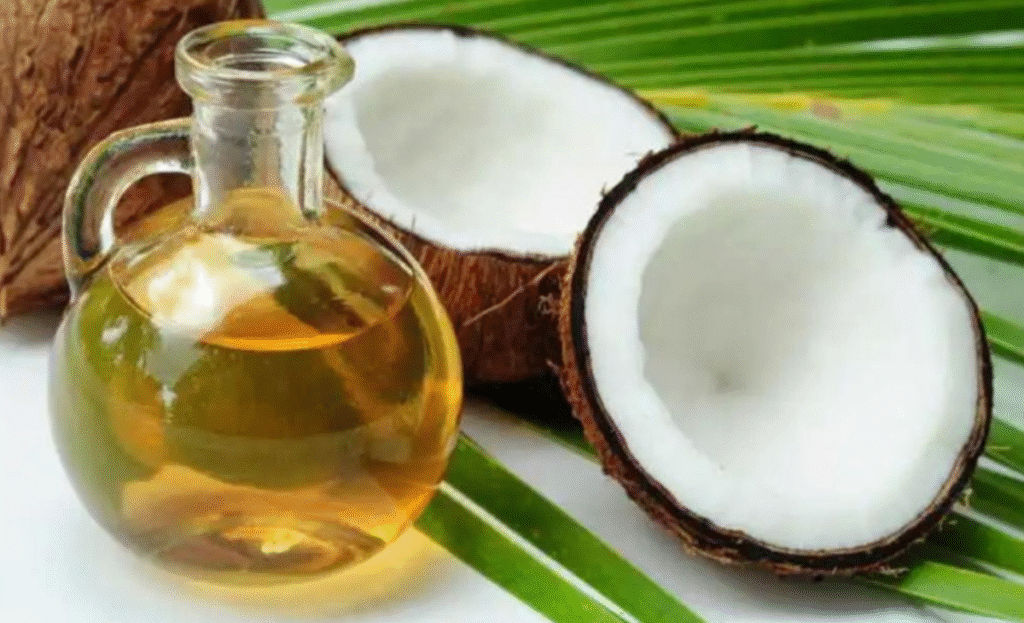
Case Study 6: Coconut and Plant Oils in Barrier Support Coconut and other plant oils such as Jojoba have become major components of moisturising skincare. These oils contain fatty acids that help reduce water loss and support skin softness. Coconut oil has been widely used in tropical regions for skin and hair nourishment, while jojoba oil is valued for compatibility with skin surface lipids. These examples demonstrate the importance of plant derived lipids in maintaining barrier integrity.
Together, these case studies show that natural plants are not isolated cosmetic ingredients but dynamic biological resources with wide applications in skincare. They support hydration, protection, cleansing and restoration through multiple pathways. Their continued use reflects a convergence of cultural knowledge, consumer demand and scientific validation. As skincare continues to evolve, plant based ingredients remain central not only because they are natural, but because they provide practical, research supported and sustainable solutions for skin health. These case studies confirm that the future of skincare may be advanced, but its foundations remain deeply rooted in nature.