
Ancient Deity Congregation Meets New Cultural and Literary Celebrations in Chhoti Kashi
Munish Sood
Mandi
The temple town of Mandi, widely known as “Chhoti Kashi,” is set to witness a landmark spiritual and cultural moment as the International Shivratri Fair 2026 begins from February 16 to February 22. This year’s celebration holds special significance as it marks the 500th year of one of Himachal Pradesh’s most iconic and uninterrupted religious traditions.
For centuries, the fair has remained a living symbol of devotion, folk heritage, and community faith, drawing thousands of devotees and visitors as hundreds of local deities assemble in Mandi to pay homage to Lord Shiva and the town’s royal presiding deity Madho Rai.
A 500-Year-Old Legacy of Faith
The origins of Mandi Shivratri trace back to the early 16th century, when the tradition is believed to have been initiated by the rulers of the erstwhile princely state. The festival began as a devotional gathering on the occasion of Maha Shivratri, where deities from across the region were invited to participate in communal worship.
Over the centuries, the fair evolved into a grand spiritual congregation, blending Shaivite foundations with Vaishnavite traditions, especially under later rulers who established the practice of hosting district deities in Mandi town as honored guests for an entire week.
Today, the festival is celebrated as a unique “Dev Samagam,” where divine processions, rituals, folk performances, and cultural events merge into a week-long celebration of Himachal’s spiritual identity.
High-Level State Presence During the Festival
The International Shivratri Fair has traditionally been inaugurated by the Chief Minister of Himachal Pradesh. However, in a notable departure this year, the opening ceremony on February 16 will be attended by Deputy Chief Minister Mukesh Agnihotri as the chief guest.
The festival’s grand Jaleb procession, one of the most sacred highlights, will witness the presence of Vidhan Sabha Speaker Kuldeep Singh Pathania as the chief guest on February 19.
The week-long celebrations will formally conclude on February 22, when the Governor of Himachal Pradesh is scheduled to declare the fair closed, marking the end of this historic 500th edition.
What Makes Shivratri 2026 Unique
500th Anniversary Celebrations
The 2026 edition carries unprecedented historical weight, commemorating five centuries of the fair. Heritage, tradition, and the cultural legacy of Mandi have become the central theme of this year’s celebrations.
Grand Gathering of Deities
More than 216 local deities have been invited this year, arriving in elaborate processions accompanied by traditional drums, music, folk dances, and ceremonial grandeur. The arrival of devtas transforms the town into a sacred landscape of devotion and celebration.
The Jaleb: The Divine Procession
The festival formally begins with the traditional Jaleb, the grand procession led by Madho Rai. This is one of the most significant moments of the fair, where visiting deities meet, pay respects, and participate in the week-long festivities.
⸻
New Cultural Additions in the 500th Year
Pre-Festival Cultural Programs
A major new feature this year is the introduction of cultural programs starting a week before the main fair. Events from February 10 to 14 have included classical music evenings, bhajan performances, theatre, and folk showcases at the historic Sankan Garden, building momentum ahead of the official celebrations.
First-Ever Literature Festival
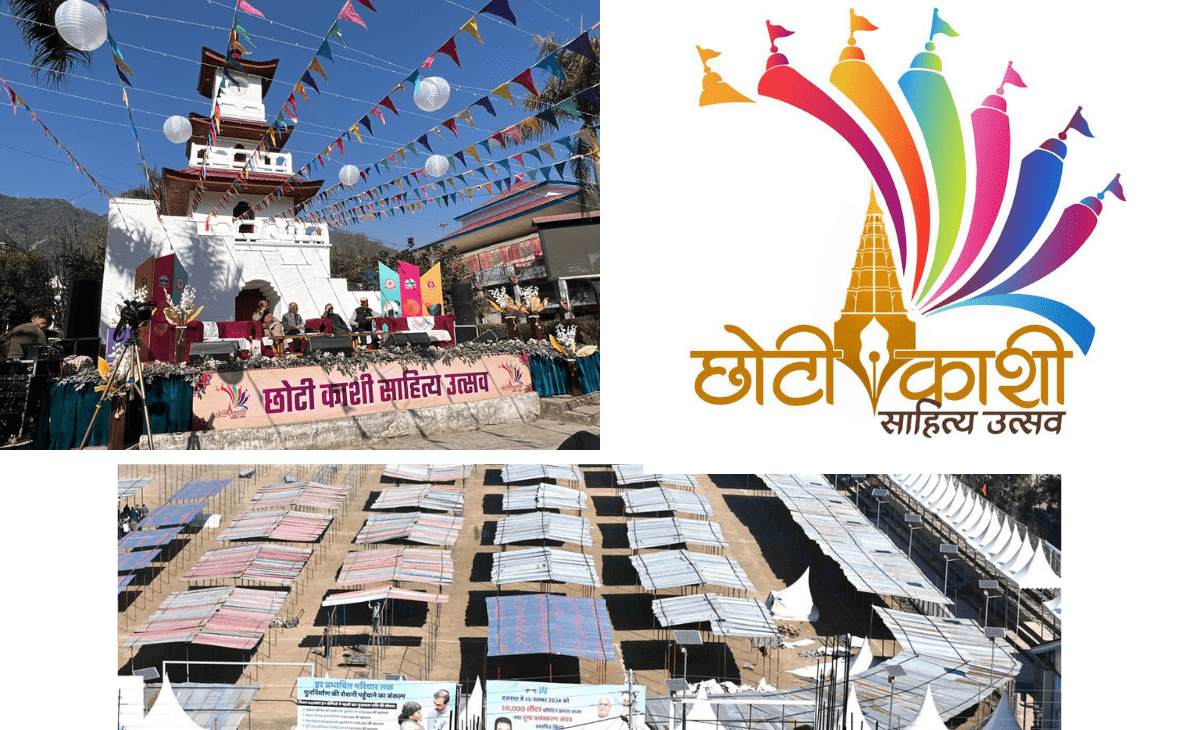
For the first time, Mandi Shivratri has introduced a dedicated literary platform through the “Chhoti Kashi Sahitya Utsav.” Held on February 14, the festival brought together writers, scholars, and cultural thinkers to discuss Mandi’s history, literature, and folk traditions, adding an intellectual dimension to the devotional gathering.
Beas Aarti
A special Beas Aarti is also scheduled at the sacred Panchvaktra temple, highlighting the spiritual connection between the town’s river heritage and its temple traditions.
Heritage Walks
As part of the quincentenary celebrations, curated heritage walks have been added to allow visitors to explore Mandi’s 500-year-old architectural and cultural legacy, including its temples, bazaars, palaces, and sacred spaces.
⸻
Cultural Nights at Seri Stage
The festival week will feature six cultural nights at the Seri Manch, showcasing Himachal’s finest folk traditions alongside prominent regional artists. These performances remain a major attraction, offering a vibrant blend of devotion and celebration under the festive lights of Mandi.
Paddal Ground: The Fair’s Social Hub
The expansive Paddal Ground will host the main fair activities, including stalls, exhibitions, entertainment zones, food markets, and displays highlighting development initiatives. The ground becomes a focal point for families, pilgrims, and tourists during the festival week.
⸻
Security and Administration Preparedness
Given the massive footfall expected during the 500th year celebrations, authorities have implemented extensive arrangements. Around 800 police personnel have been deployed, with the city divided into sectors for effective crowd and traffic management. Surveillance systems and logistical planning are in place to ensure a smooth and safe festival experience.
⸻
A Festival of Continuity and Renewal
The International Shivratri Fair 2026 stands as a rare example of a tradition that has survived and flourished for five centuries. This year’s celebration not only honors the sacred gathering of deities but also reflects Mandi’s evolving cultural identity through literature, heritage engagement, and expanded artistic programming.
As the town prepares to welcome gods, devotees, and visitors from across Himachal and beyond, Shivratri 2026 promises to be a historic milestone — a celebration of faith, folklore, and the enduring spirit of Chhoti Kashi.