
Munish Sood
Mandi
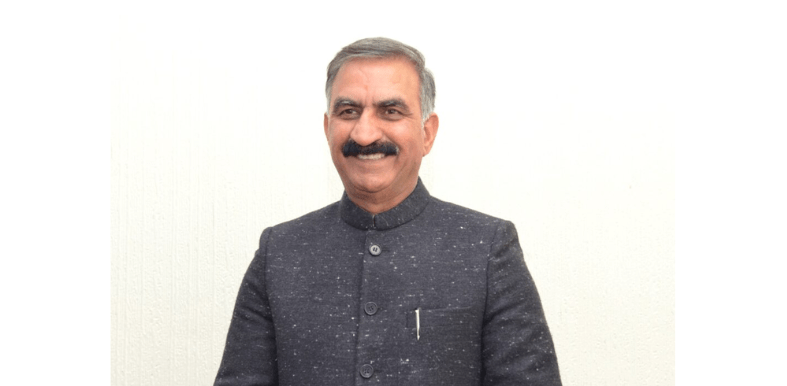
Soon after the discontinuation of the Revenue Deficit Grant (RDG), Chief Minister Sukhvinder Singh Sukhu has left for Delhi, triggering intense political debate and public curiosity across Himachal Pradesh. With the state facing mounting financial pressure, the biggest question being raised is: what is the Chief Minister’s agenda in the national capital?
Is the visit aimed at pressing the Centre to reconsider the withdrawal of RDG support, or is it linked to internal political strategy, including filling two key cabinet-rank vacancies in the state government?
Two Important Posts Vacant in Himachal Government
The political situation in Himachal Pradesh is currently delicate. On one hand, one ministerial post remains vacant, while on the other, the post of Deputy Speaker of the Himachal Pradesh Assembly has also fallen vacant after Vinay Kumar’s appointment as the state Congress president.
This has left the government with two significant constitutional and political positions unfilled. However, filling these vacancies at this moment is proving far more complicated than under normal circumstances, especially in the backdrop of an emerging fiscal crisis.
RDG Withdrawal Triggers Financial Stress
The discontinuation of RDG, a crucial financial lifeline for Himachal Pradesh, has created an acute revenue shortfall. The state has historically relied heavily on this grant to bridge the gap between its income and expenditure. Financial assessments suggest that the RDG cut could result in a loss of several thousand crore rupees over the coming years, pushing the state closer to austerity.
The Finance Department has already indicated that major expenditures such as subsidies, OPS-related commitments, and several development projects may face restrictions or cuts. With public anxiety rising over economic pressure and government spending, the administration is expected to act with extreme caution.
Political Appointments May Invite Public Backlash
Political observers believe that if the Chief Minister’s Delhi visit conveys that the government is preparing to induct new ministers or make fresh political appointments, it could send the wrong message to the public.
At a time when Himachal Pradesh is grappling with financial strain, such steps may create a perception that the government is focusing on political expansion and distribution of positions rather than addressing urgent economic priorities. This could potentially trigger public dissatisfaction and opposition.
Limited Options Before the Government
The government’s first option may be to keep the vacant ministerial post unfilled for now and distribute departmental responsibilities among existing ministers.
A second option could be to proceed with appointments only if absolutely necessary, presenting them as constitutional compulsion rather than political advantage.
Deputy Speaker Post Constitutionally Essential
The Deputy Speaker’s position holds significant constitutional importance, as the smooth functioning of the Assembly requires the presence of a Deputy Speaker. Therefore, an appointment may be unavoidable.
However, even this decision will require the Congress leadership to carefully balance organisational considerations, regional representation, and pressure from party legislators, while ensuring that the move does not appear politically motivated during a period of financial distress.
Delhi Visit Seen as Crucial for Himachal’s Fiscal Future
Official sources indicate that CM Sukhu’s meetings in Delhi may focus on seeking special financial assistance and raising the RDG issue with central leadership. The coming days will be critical in determining whether the Centre offers relief, and how the Himachal government navigates the twin challenge of constitutional obligations and fiscal discipline.
Other News
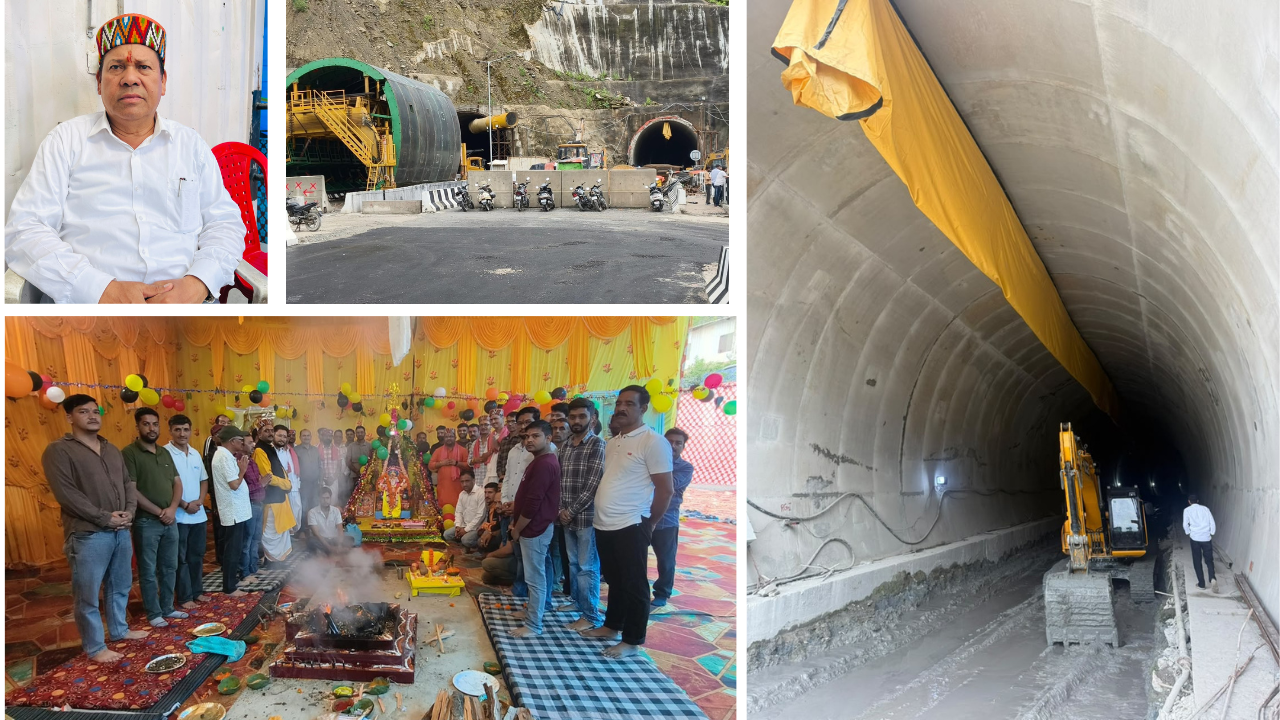
60% Excavation Completed on Mandi Bypass Tunnel, Longest NHAI Tunnel in Himachal Pradesh Takes Shape
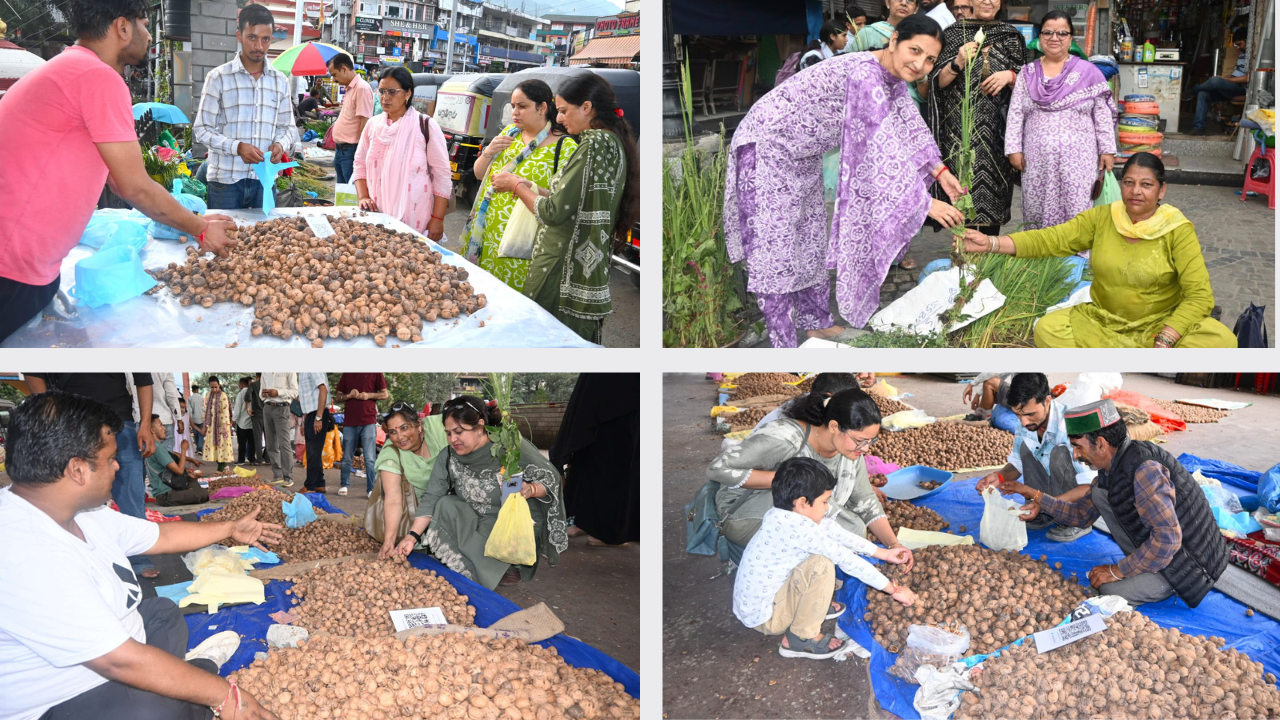
Sair Brings Mandi Alive to an Age-Old Celebration of Harvest, Family and Tradition
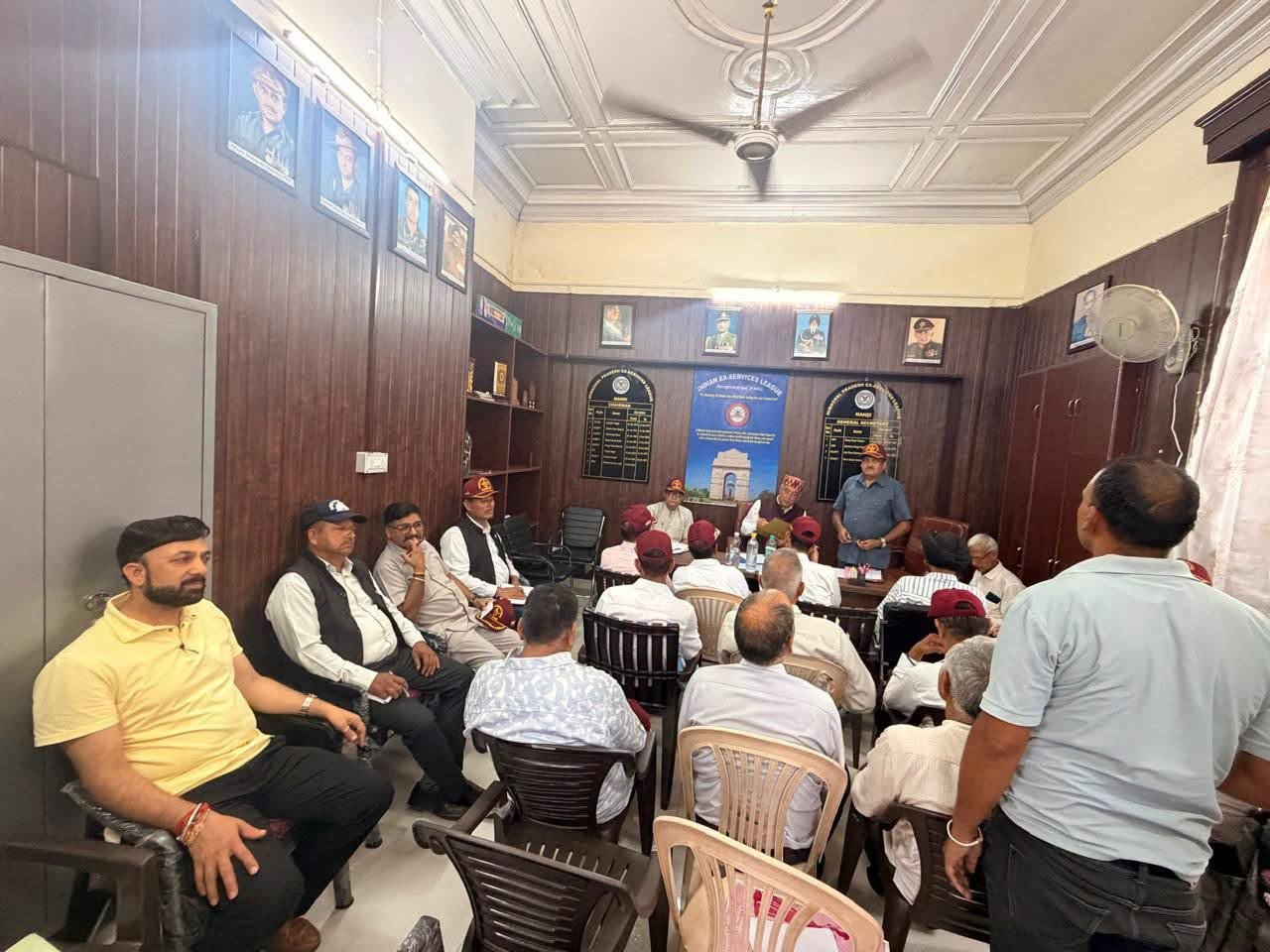
Ex-Servicemen Seek CM’s Intervention to Restore ECHS Empanelment of Mandi Hospital
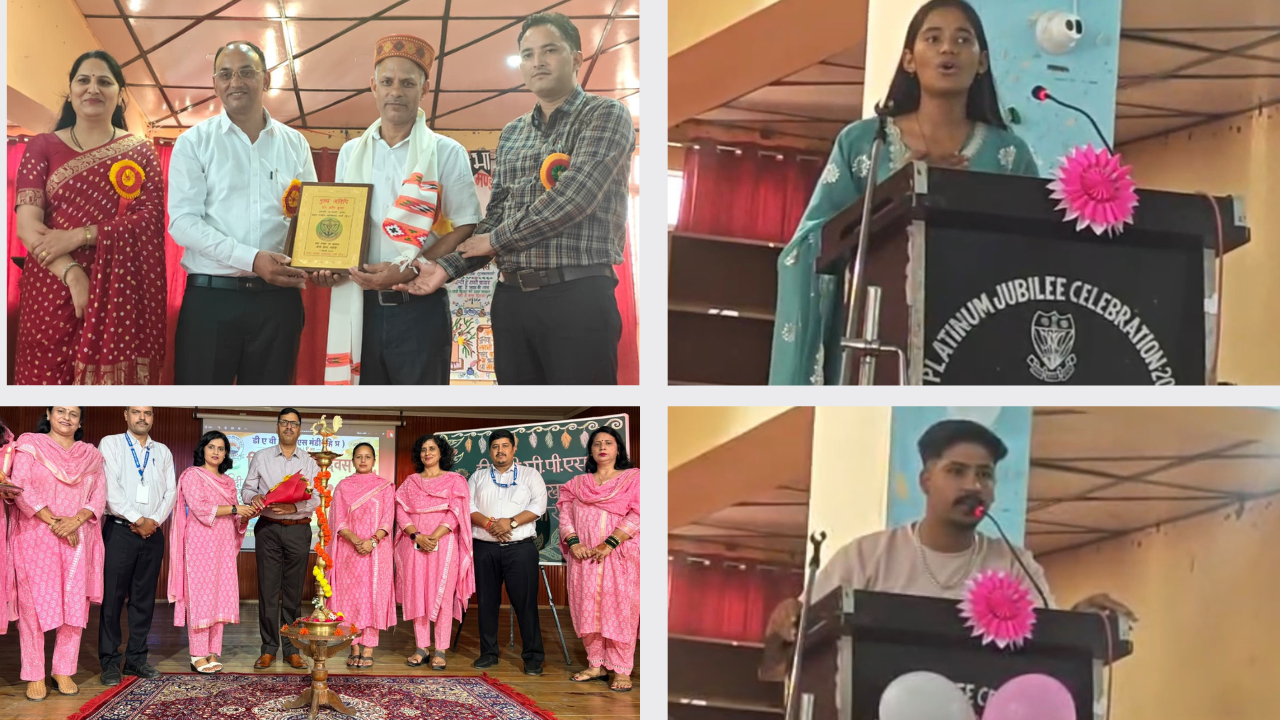
Hindi Diwas celebrations highlight language’s cultural strength and digital potential in Mandi
Ekal Abhiyan Eyes Stronger Grassroots Connect Across 8,000 Himachal Villages