
District Survey Document Faces Scrutiny Amid Claims of Weak Oversight and Environmental Damage
Munish Sood
Una
UNA/ MANDI – In a significant development raising serious concerns about mining regulation in Himachal Pradesh, the National Green Tribunal (NGT) has issued notices to the state government and its concerned departments over the District Survey Report (DSR) 2024 prepared for Una district.
The tribunal’s intervention comes after a petition alleged that the report — which serves as the primary basis for granting mining permissions — contains major scientific and procedural deficiencies. The plea claims these shortcomings have allowed mining activity to expand with insufficient monitoring and enforcement on the ground.
Government Asked to Respond on Survey Report Shortcomings
The petition, filed by Una-based activist Rohit Katwal, challenges the credibility of the DSR 2024 and seeks its cancellation, arguing that it fails to comply with mandatory environmental safeguards.
The petitioner has alleged that the document has indirectly created conditions in which illegal sand extraction and unregulated stone-crushing operations have continued unchecked across parts of Una district.
District Survey Report Intended to Act as a Scientific Safeguard
District Survey Reports are meant to function as technical and scientific frameworks for mining regulation. They identify mineral-bearing zones, prescribe extraction limits, define permissible depth levels, and ensure that mining is carried out in an environmentally sustainable manner.
However, the petition claims that the Una report has failed in its core purpose, reducing regulation to a paperwork exercise rather than meaningful ecological governance.
Mandatory River Replenishment Studies Allegedly Missing
One of the key issues raised is the alleged absence of replenishment studies for riverbed mining. Such studies are required periodically, particularly during pre-monsoon and post-monsoon seasons, to determine how much mineral material is naturally restored each year.
The petitioner argues that without these scientific evaluations, extraction limits become arbitrary and risk causing irreversible harm to rivers and streams.
Hill Slope Mining Raises Additional Environmental Concerns
The plea also highlights mining activity on hill slopes, stating that the report does not include carrying capacity assessments, which are mandatory under the Enforcement and Monitoring Guidelines for Sand Mining (2020).
Unlike riverbeds, hill slopes do not undergo natural replenishment, and mining in such areas must be governed by strict ecological limits. The petition alleges that the report contains no scientific analysis establishing how such extraction can be permitted sustainably.
Transparency Issues: Transport Routes and Public Consultation
The petition further claims that the DSR does not clearly identify transport routes for mineral movement and fails to mention whether any public consultation or hearings were conducted before the report was finalised.
Such omissions, the plea argues, weaken transparency and accountability in the mining approval process.
Environmental Impact Allegations in Una’s Shivalik Region
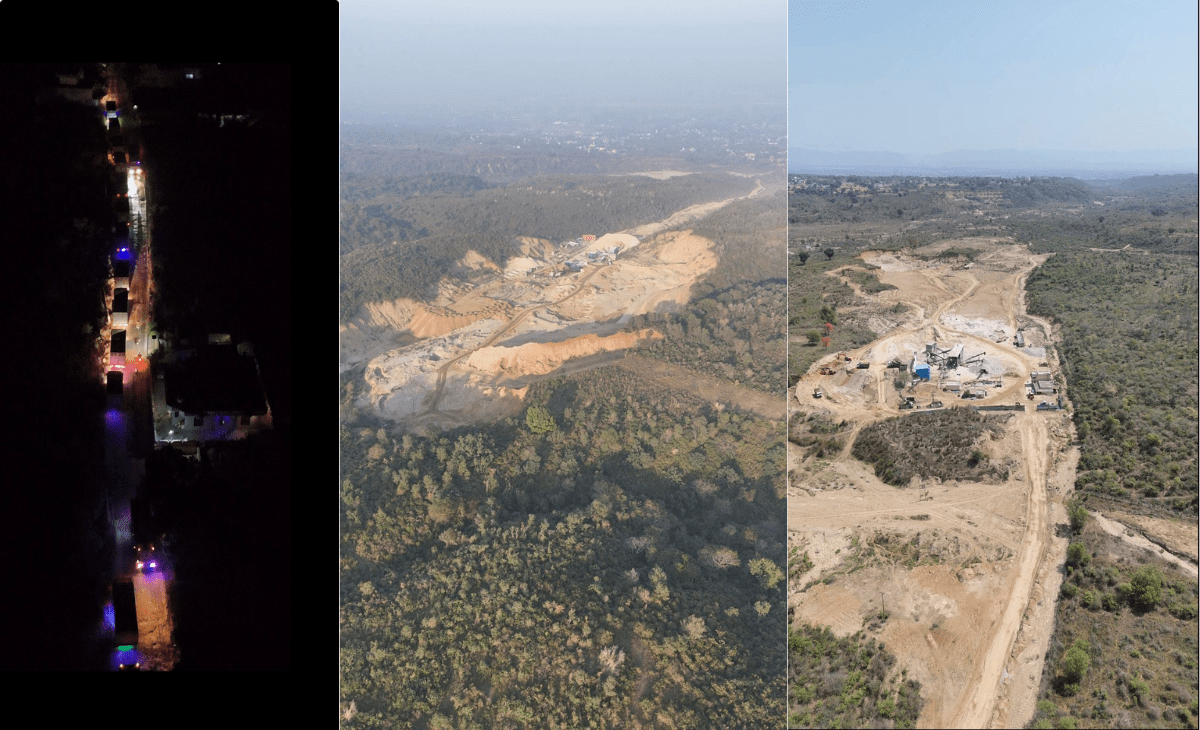
The petition points to growing ecological stress across Una’s lower Shivalik belt, alleging that extensive mining, tree cutting, and uncontrolled stone-crushing have converted once-forested landscapes into degraded and barren zones.
Wildlife displacement and destruction of vegetation have also been cited as serious consequences of continued unregulated activity.
Complaints Submitted With Evidence, Action Allegedly Lacking
Katwal has stated that he submitted multiple complaints to the mining department, district administration, police, and forest authorities, supported by drone footage, photographs, and satellite imagery.
However, the petition alleges that despite repeated warnings, enforcement action remained inadequate, allowing illegal extraction to continue openly.
Call for Accountability and Recovery of Losses
The petitioner has urged the tribunal to order a comprehensive assessment of environmental damage and revenue loss linked to illegal and unscientific mining practices in Una over the years.
The plea also seeks identification of those responsible — including operators and officials — so that penalties may be imposed and losses recovered under applicable legal provisions.
Una Remains a Persistent Mining Hotspot
Una has repeatedly been flagged as one of Himachal Pradesh’s worst-affected districts for illegal mining. The NGT had earlier imposed restrictions, including a temporary ban on mining in the Swan river belt. Yet, ongoing allegations suggest that enforcement on the ground remains deeply compromised.
The matter is now under consideration before the tribunal, with responses awaited from the state authorities.
Other News
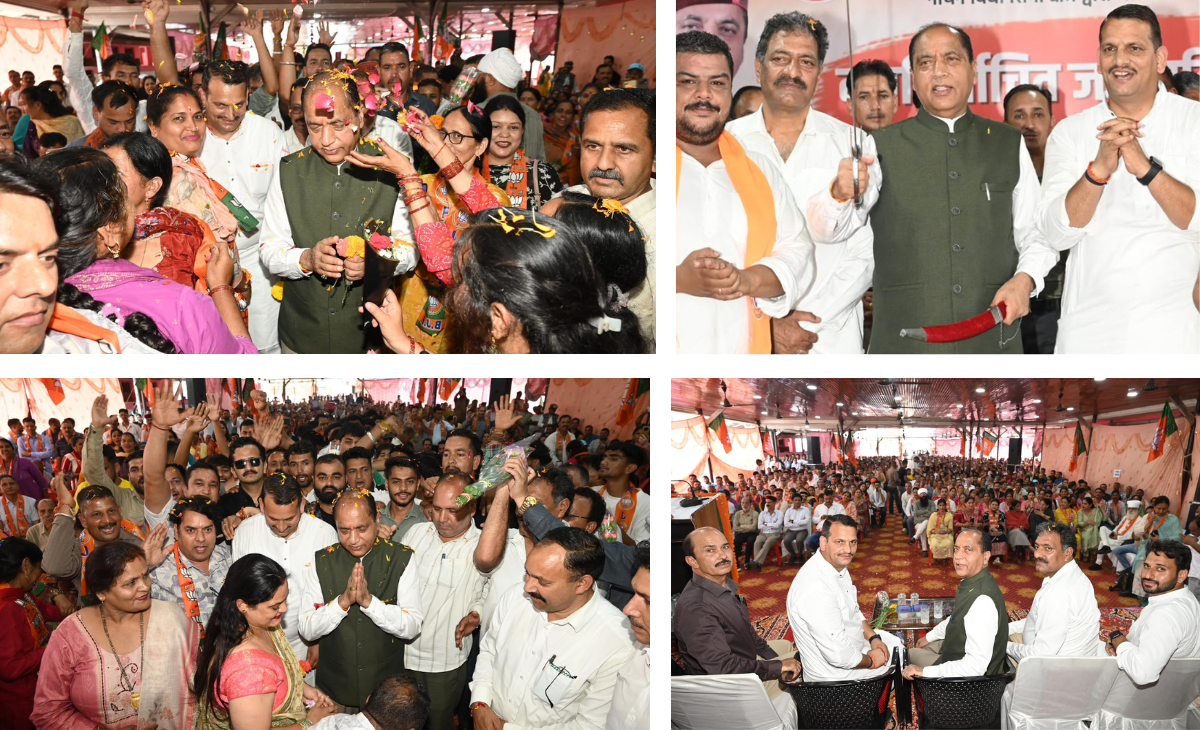
Jai Ram targets Sukhu govt over Himcare probe, predicts BJP comeback in 2027
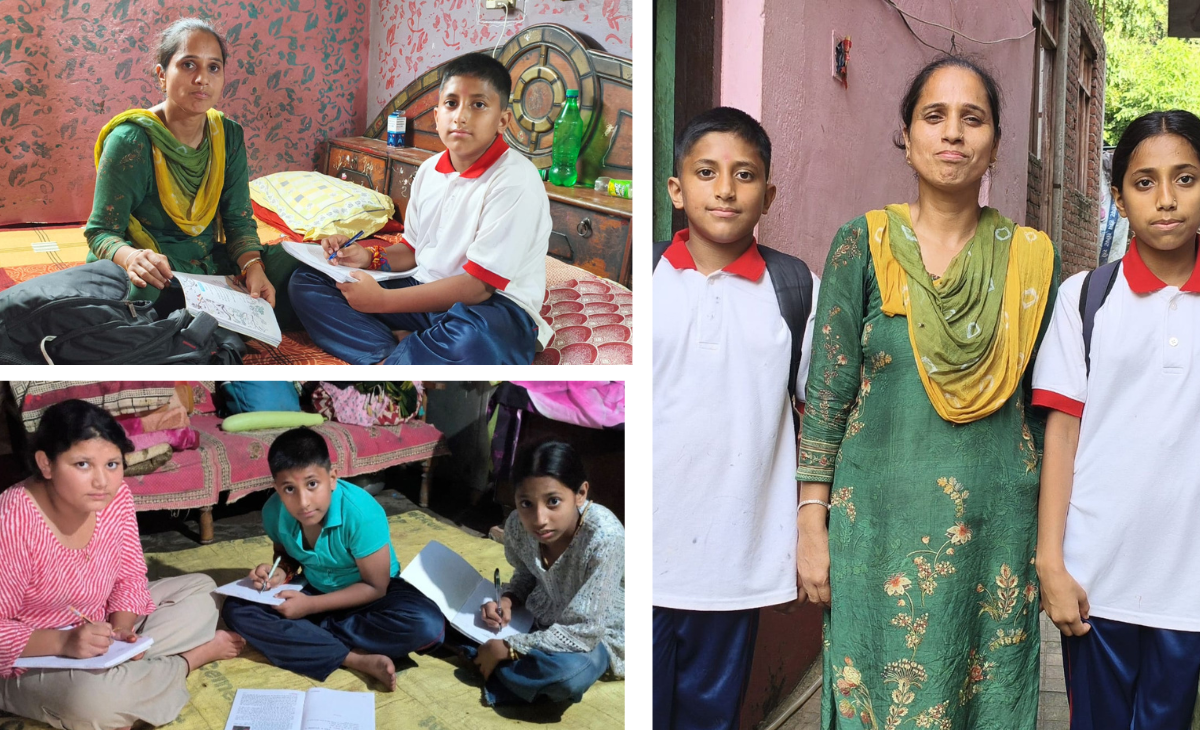
A ₹2,000 Lifeline Keeping Two Dreams Alive in Sundernagar
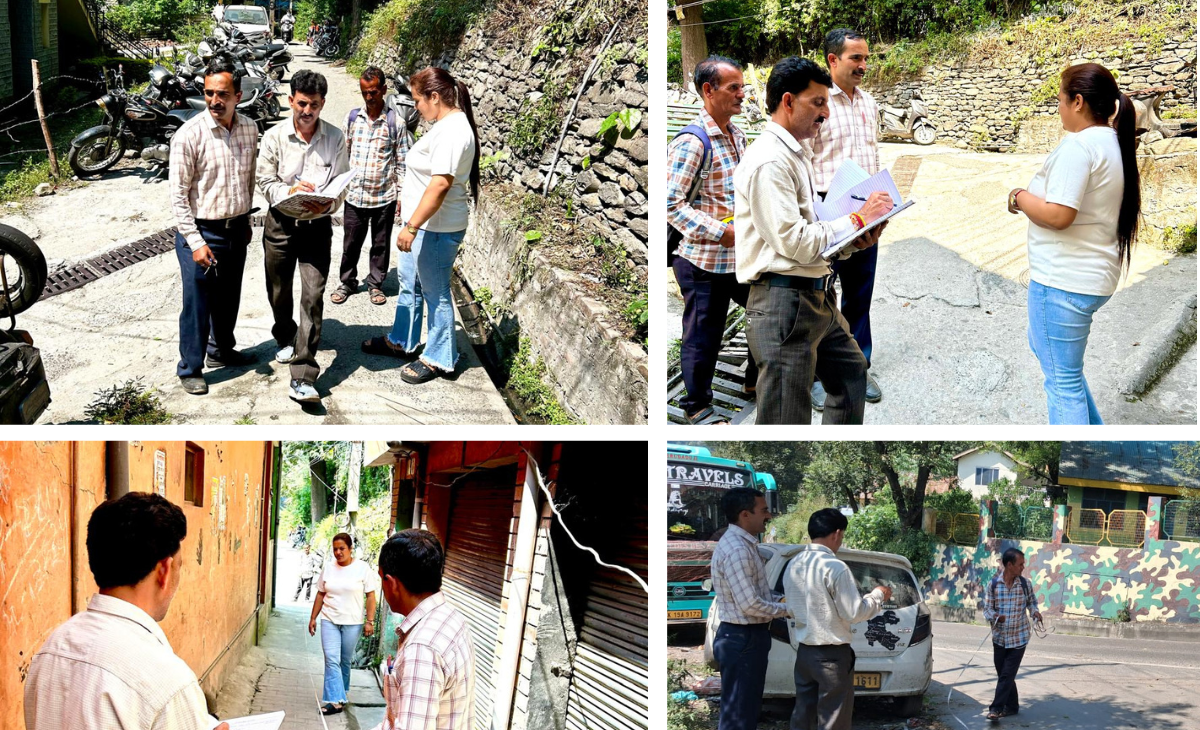
Chamba Municipal Council to Begin Paver & Landmark Works in Julakari Ward
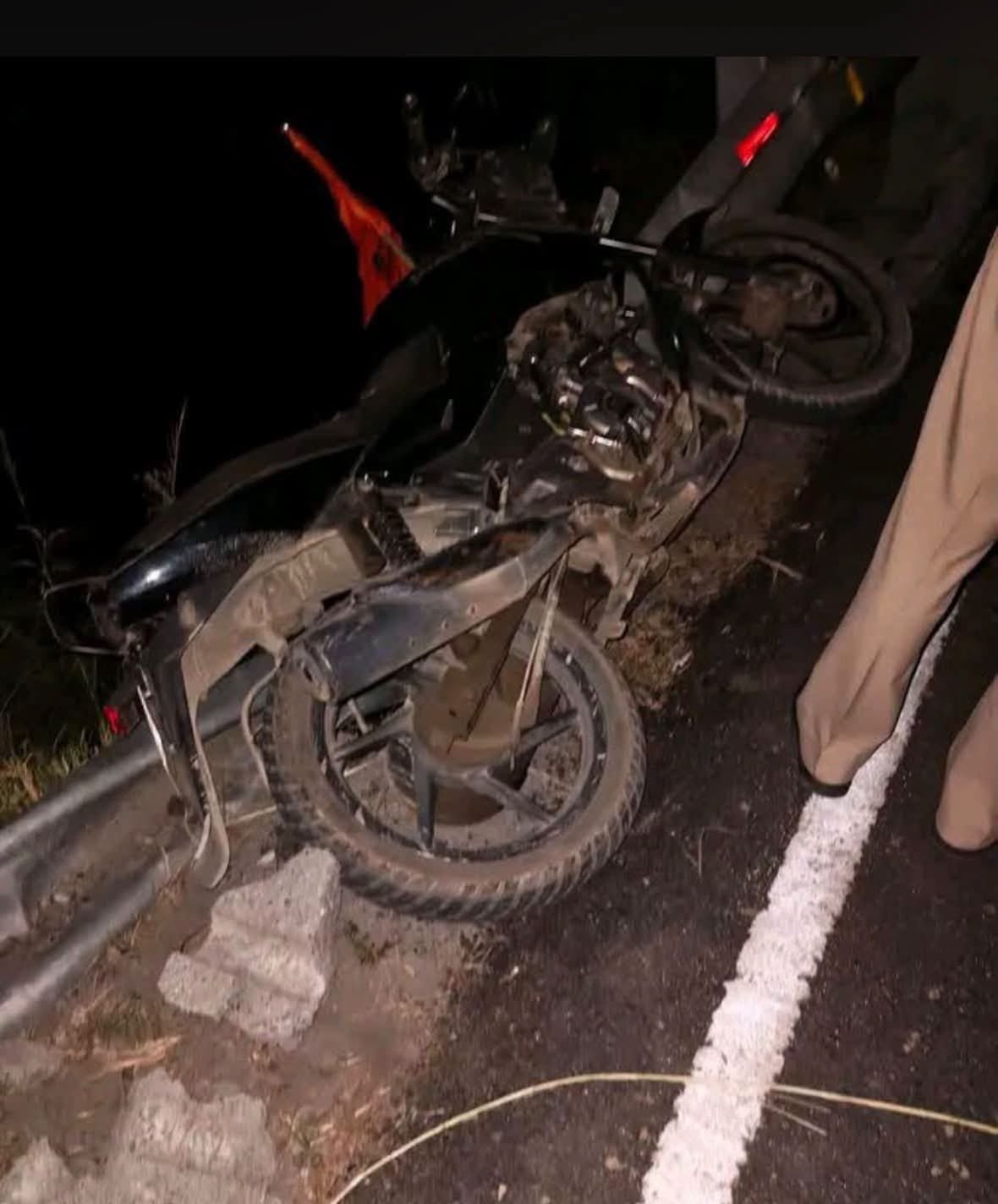
Two Pilgrims K*illed in Tragic Accident on Manimahesh Kailash Yatra Route
RPS Sulyali Shines as U-14 Football District Tournament Runner-Up