
Shruti Puri
Palampur
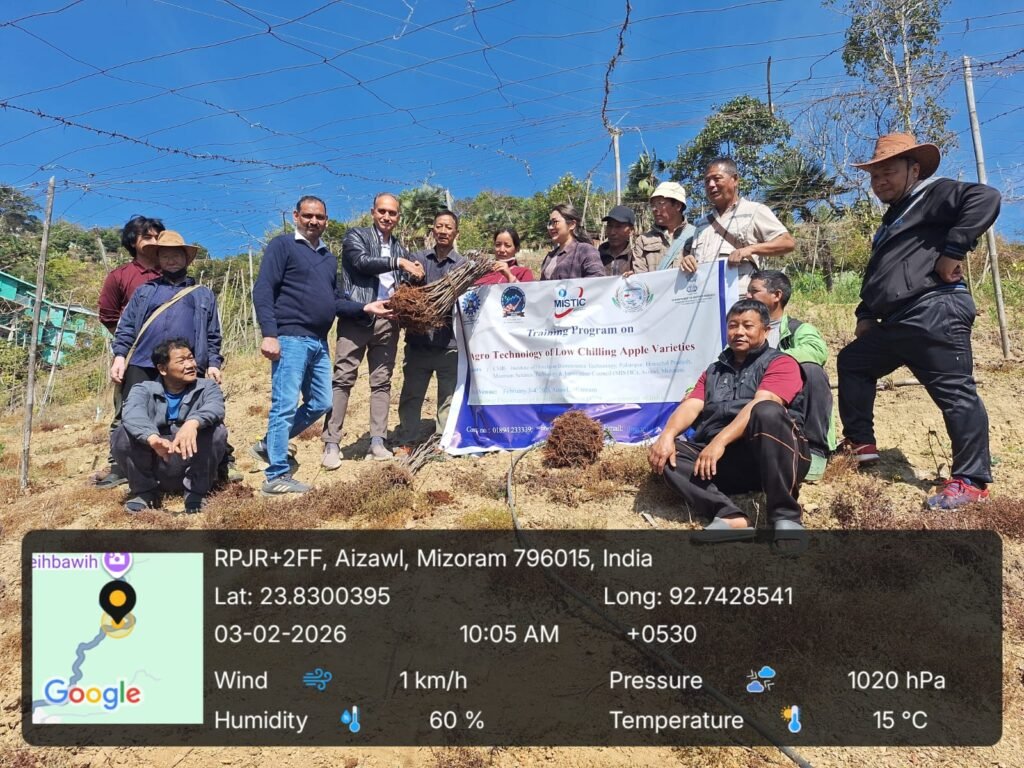
A team of scientists from the CSIR–Institute of Himalayan Bioresource Technology (CSIR-IHBT), Palampur, Himachal Pradesh, visited Aizawl, Mizoram, from February 2 to 4, 2026, to monitor ongoing research and extension activities under a project funded by the Department of Biotechnology (DBT), Government of India. The visit was part of the project titled “Inter-Institutional Programme Support on the Development and Sustainable Bioresources of Mizoram.”
Interaction with Farmers and Distribution of Apple Sapling
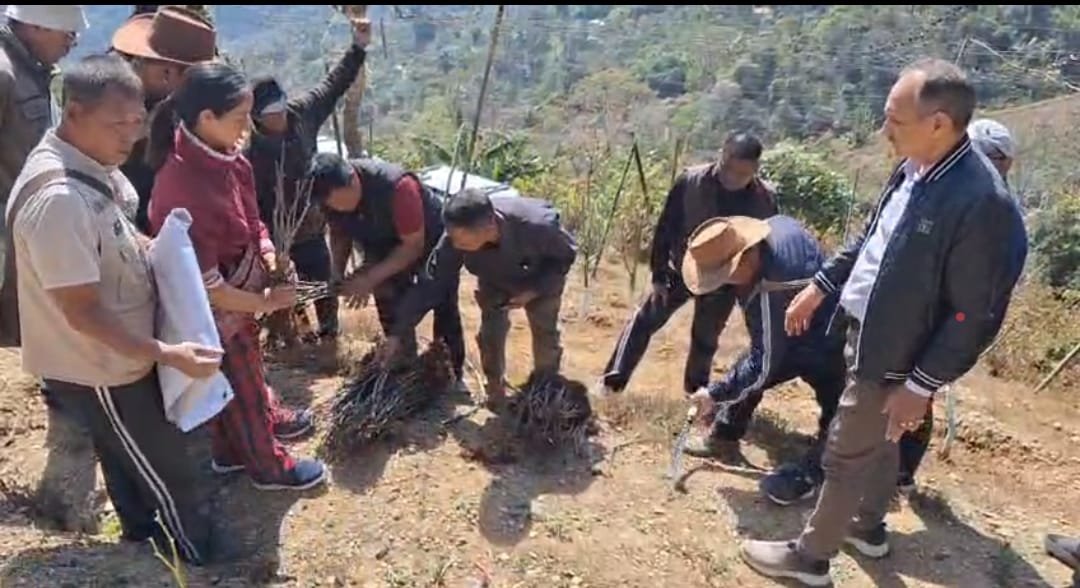
During the visit, the CSIR-IHBT team interacted with farmers from Durtlang and Sihphir villages in Aizawl district. As part of the outreach initiative, farmers were provided with low-chill apple saplings of Anna and Dorset Golden varieties, which are suitable for regions with comparatively warmer climatic conditions.
Training-cum-Awareness Programme Organised
A training-cum-awareness programme was also organised focusing on:
- Low-chill apple cultivation
- Shiitake mushroom production
- Aromatic and medicinal plants
The programme witnessed participation from over 25 tribal farmers, along with state officials, scholars and scientists, reflecting growing interest in these crops as alternative and sustainable income sources.
The sessions highlighted farmer-centric technologies developed by CSIR-IHBT and their field-level implementation through coordination with state departments, universities and grassroots institutions in the North-Eastern region.
Project Showing Visible Impact on Livelihood
Dr. Sudesh Kumar Yadav, Director, CSIR-IHBT, stated that the DBT-funded project has been running successfully for the last four years and is showing consistent progress. He noted that Mizoram’s favourable climate and fertile soils offer immense potential for horticultural crops, mushrooms, and aromatic and medicinal plants.
He emphasized that the adoption of suitable crop varieties, combined with improved cultivation and processing technologies, can significantly enhance farmers’ income and strengthen the rural economy.
Focus on Scientific Practices and On-Farm Training
Dr. Rakesh Kumar, Chief Scientist and Principal Investigator of the project, underlined the importance of:
- Scientifically validated planting material
- Improved agronomic practices
- Hands-on, on-farm experimental training
He stressed that these interventions are particularly crucial for rainfed and marginal areas, where productivity and quality can be improved through technology-driven approaches.
Strengthening Engagement in the North-Eastern Region
The visit marks an important step in strengthening CSIR-IHBT’s engagement in the North-Eastern states, especially in promoting sustainable cultivation, value addition and entrepreneurship in low-chill apple varieties, shiitake mushroom, and aromatic and medicinal plants tailored to Mizoram’s agro-climatic conditions.
The collaboration between CSIR-IHBT and the Mizoram Science, Technology and Innovation Council (MISTIC), along with academic institutions, reflects a significant shift towards sustainable, technology-based agriculture in the North-East, aimed at improving farmers’ livelihoods and long-term rural development.
Other News

Sadwan Panchayat Becomes 17th Chapter of Anti-Drug Campaign; Youth Reached from Homes to Gyms
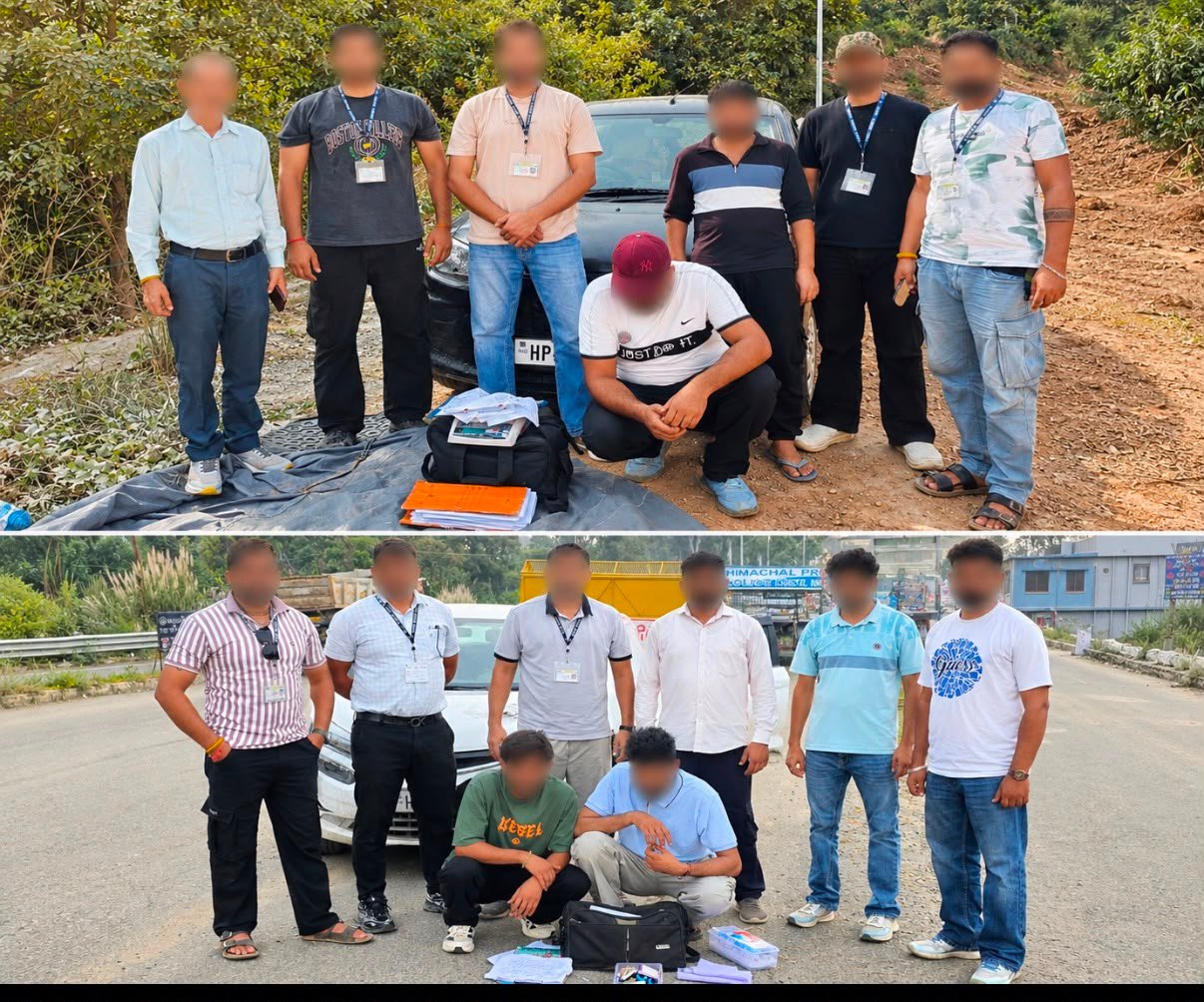
NURPUR POLICE ACTION AGAINST DRUG TRAFFICKING
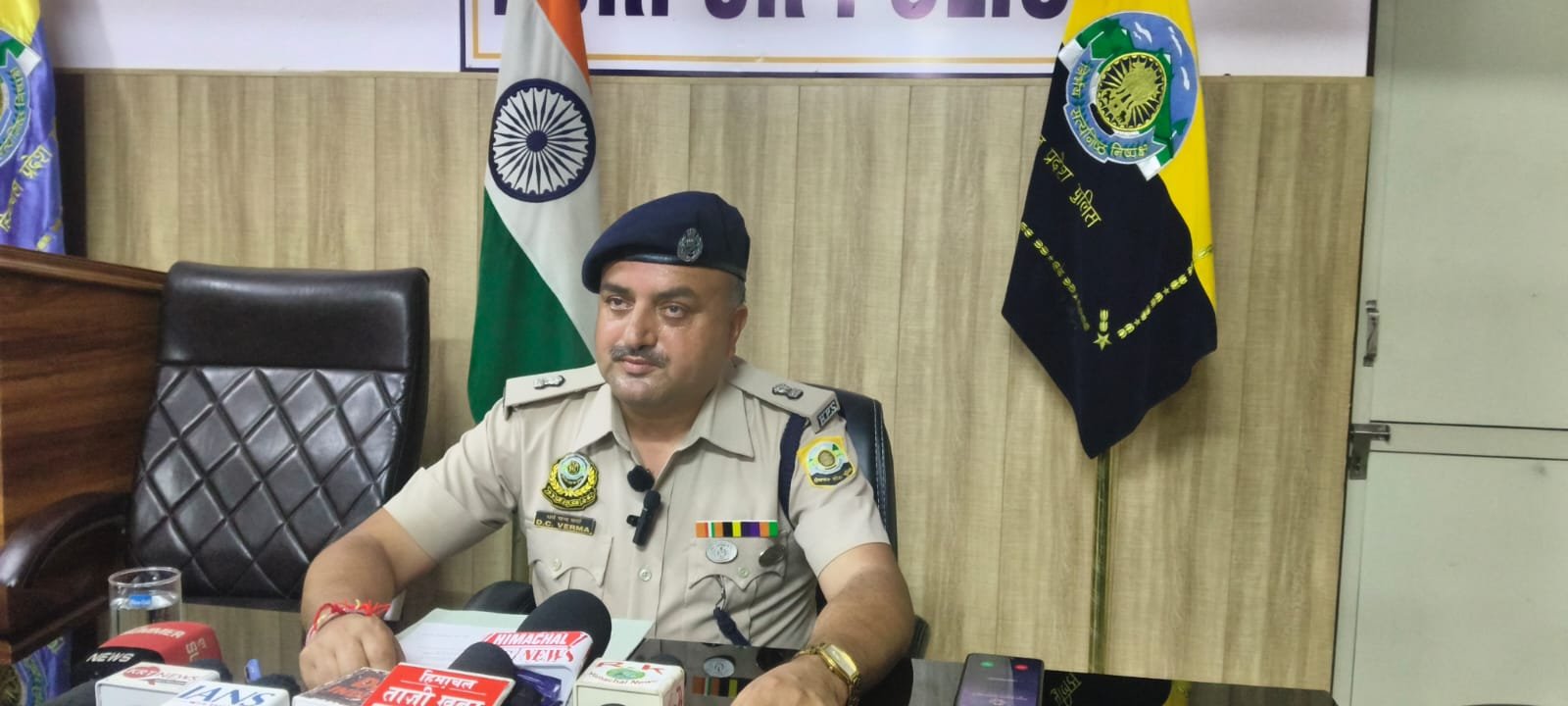
Major Step Forward in NDPS Case: Hotel “Kwality” and 8 Shops Now Under Police Management