
Nation narks birthday as ‘Good Governance Day’; Manali recalls his deep bond
Munish Sood
MANDI:
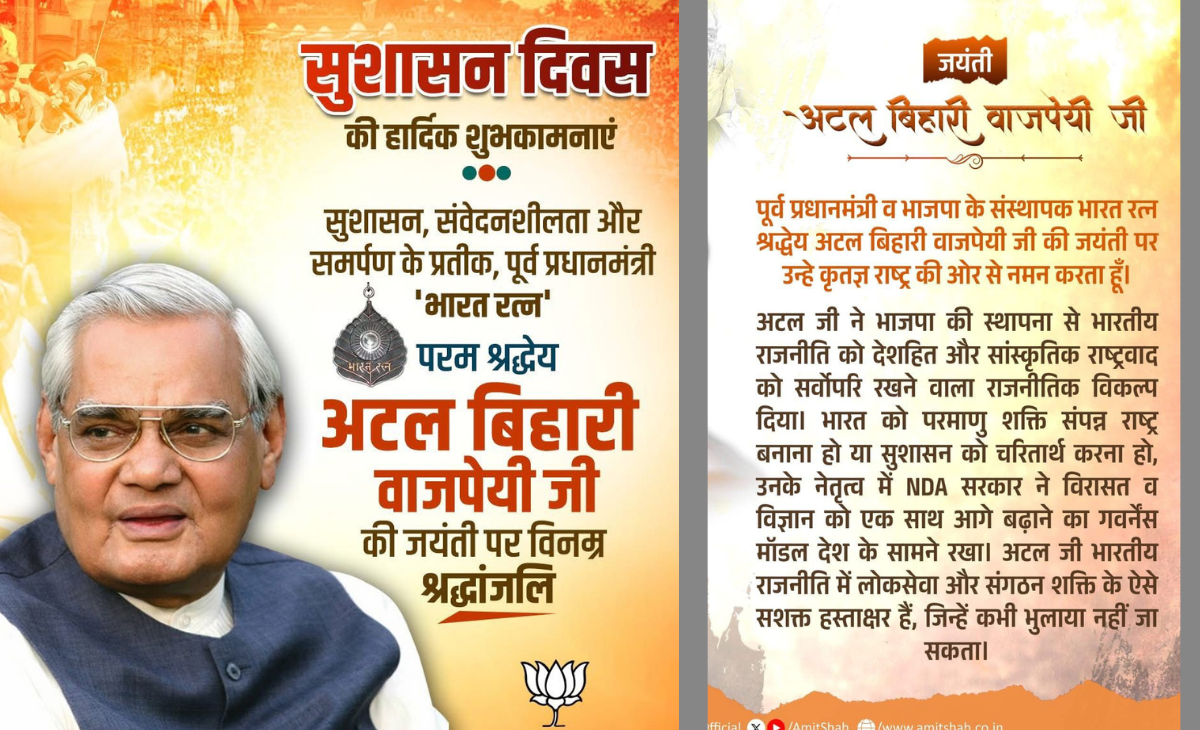
As the nation on Thursday (December 25, 2025) observes the birth anniversary of former Prime Minister and Bharat Ratna Atal Bihari Vajpayee as Good Governance Day (Sushasan Diwas), the hill town of Manali in Kullu district of Himachal Pradesh remembers him with a sense of personal loss and enduring affection.
Vajpayee’s deep emotional connection with Himachal Pradesh, particularly Manali and Prini village, continues to distinguish him as one of the rare national leaders who made the mountains his second home.
Across the country, Vajpayee is being remembered as a guiding force for millions of BJP workers and as a statesman whose vision of inclusive development and administrative integrity earned him respect across party lines. On the occasion, tributes poured in remembering him as an inspiration for public life rooted in simplicity, dialogue and democratic values.
Manali: Where the PM lived like a villager
Vajpayee, who served as Prime Minister from March 19, 1999, to May 22, 2004, spent several days every year in Manali, from where he continued to discharge official responsibilities. During his annual June visits, his residence in Prini village would temporarily function as an extension of the Prime Minister’s Office, a rare example of governance conducted from the Himalayan region.
His association with Manali began in 1968, when he first visited the town. Captivated by its natural beauty and serenity, Vajpayee gradually developed a lifelong bond with the region. After 1992, Manali became his preferred retreat, and he eventually built a home in Prini, forging close ties with the local community.
‘Mukhiya’, ‘Chachu’ and ‘Mama’ to locals
For the people of Prini, Vajpayee was more than a national leader. Villagers honoured him with the title of “Mukhiya”, while elders affectionately called him “Chachu” and children knew him as “Mama”. Despite his stature, he lived among villagers as a family elder, listening to their concerns, resolving local issues, and sharing in their joys and hardships.
Residents recall that even during political engagements, Vajpayee made time for villagers, reinforcing his belief that governance must remain connected to the grassroots.
On the occasion of Vajpayee’s birth anniversary, floral tributes were offered at Manali’s Mall Road, where citizens and political workers gathered to pay homage. Speakers described him as a rare leader admired by both supporters and political opponents for his oratory skills, statesmanship and humane approach to governance.
The day, observed nationally as Good Governance Day, also served as a reminder of Vajpayee’s emphasis on transparent administration, cooperative federalism and development without discrimination.
Atal Tunnel: Vision that transformed the region
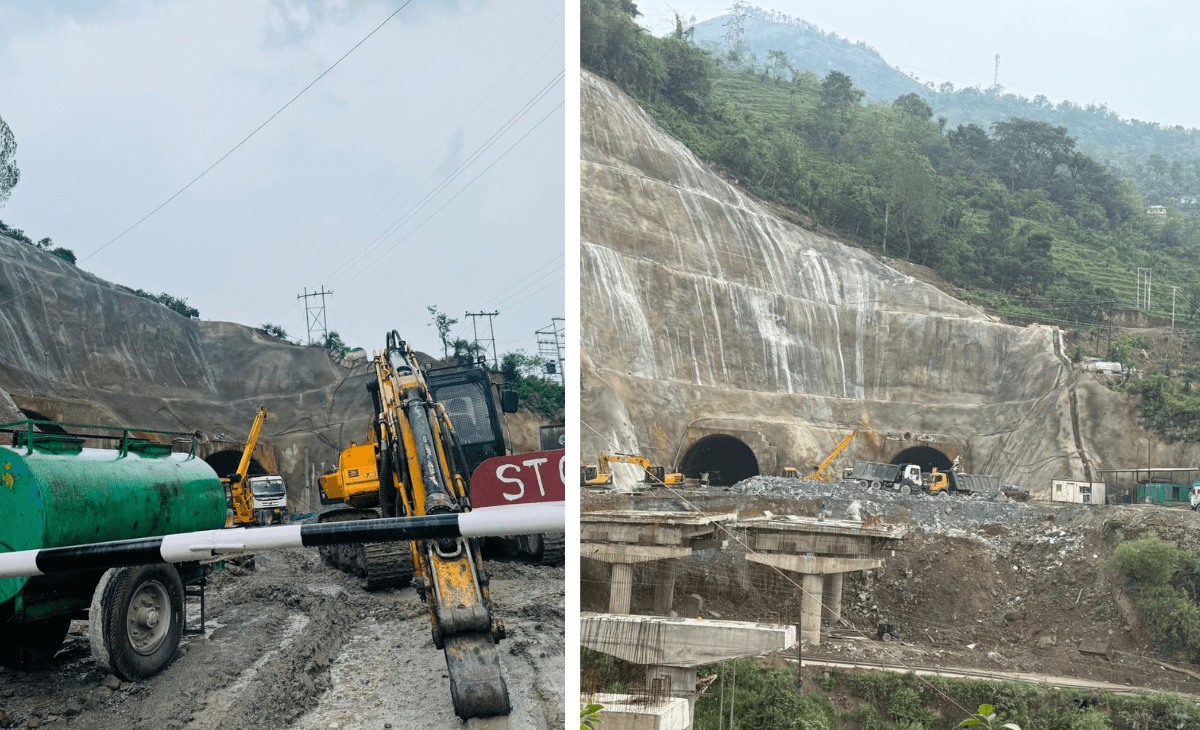
Vajpayee’s enduring legacy in Himachal Pradesh is most visibly reflected in the Atal Tunnel at Rohtang. Conceived during his tenure to ensure year-round connectivity for Lahaul-Spiti, the project symbolised his commitment to overcoming geographical barriers for national integration.
The tunnel was dedicated to the nation in October 2020, while the Himachal Pradesh government had earlier announced its naming as “Atal Tunnel Rohtang” in December 2019, honouring Vajpayee’s vision for the region.
Deodar tree and a poet’s presence
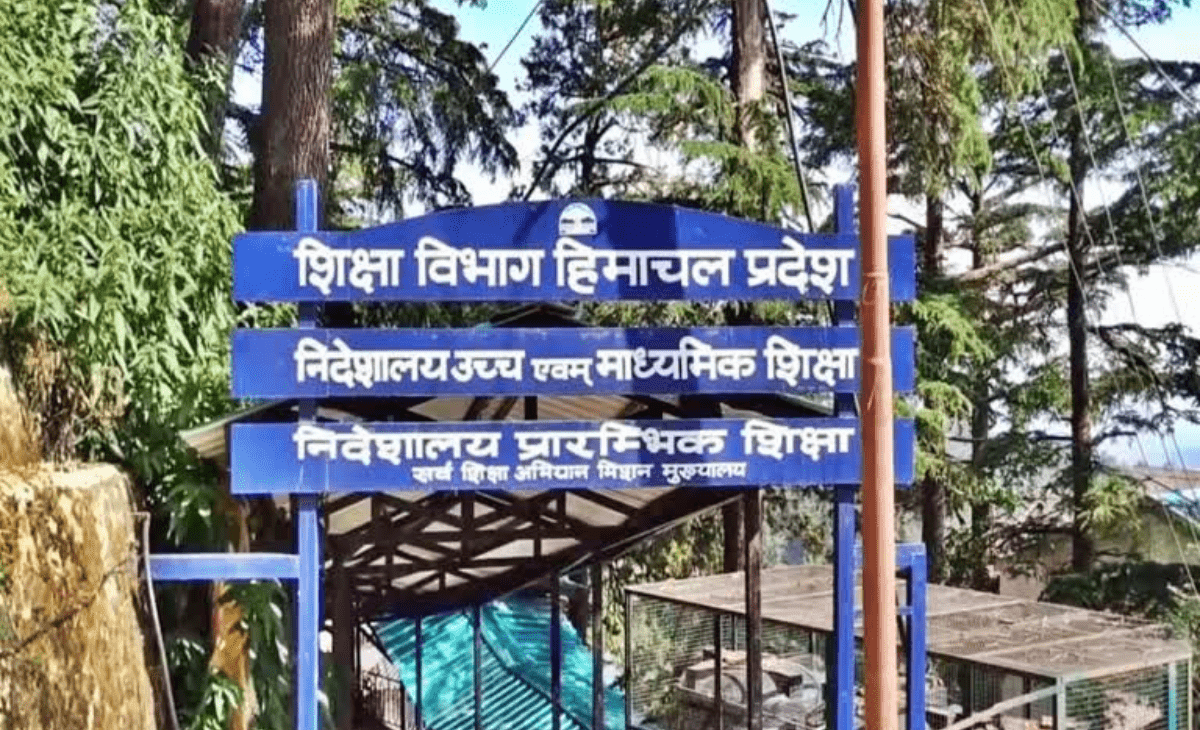
In 2004, Vajpayee planted a deodar sapling in Prini village, which has now grown into a 21-year-old tree. Located within a school campus, it is carefully maintained by villagers and stands as a living memorial to his association with the area.
Away from political life, Vajpayee’s poet’s soul found expression in Manali’s landscapes. He often visited local schools, recited his poems to students, and donated a collection of his writings, which remains preserved. Several of his literary works carry reflections of the region’s natural beauty.