

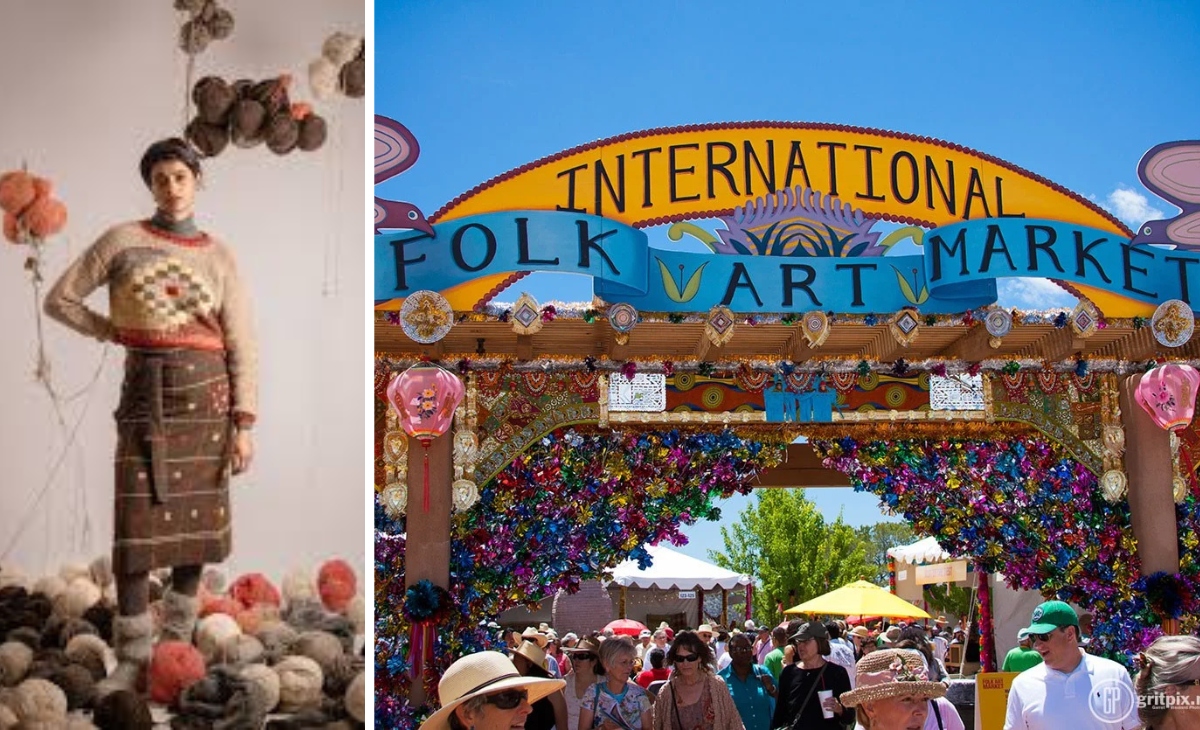
Despite US trade barriers, enterprise to participate in International Folk Art Market at Santa Fe
Pallavi Sharma
DHARAMSHALA:
Kullvi Whims, a women-led self-help group from Kullu in Himachal Pradesh working with traditional wool artisans, has earned international recognition with a mention in an article in famous US media outlet The New York Times, spotlighting how grassroots craft work from India is increasingly shaping global conversations on handmade economies, sustainability and cultural exchange.
The reference appeared in a recent New York Times report examining the impact of rising tariffs, visa hurdles and trade uncertainties on global craft platforms such as the International Folk Art Market in Santa Fe. While many exhibitors cited challenges in participating due to fluctuating costs and regulatory barriers, Kullvi Whims was highlighted as a social enterprise that continues to represent Himalayan artisans on international platforms despite these constraints.
Voice of Himalayan artisans on global stage
Founded in 2012, Kullvi Whims works with over 300 women artisans across the Kullu valley, who spin, knit and weave indigenous sheep wool sourced directly from Himalayan shepherds. Nisha Subramaniam, who is the co-founder alongside localite Brighu Acharya, quoted in the New York Times piece, said that despite uncertainties around tariffs and currency exchange, her enterprise chose to apply for global craft events to ensure that the voices of small-scale Indian artisans remain visible internationally.
The report underscores how policy shifts often disproportionately affect handmade and small-batch producers who operate on thin margins. Kullvi Whims’ inclusion reflects how Indian craft collectives are navigating these challenges while continuing to sustain livelihoods rooted in traditional knowledge.

From mountain shepherds to international markets
Kullvi Whims has built a complete local value chain, working closely with Gaddi shepherds who supply raw wool from high-altitude pastures. The wool is hand-spun, naturally dyed using local plant sources such as walnut husk and madder, and woven or knitted using traditional techniques passed down through generations.
What began as household craft practised for family use has evolved into a sustainable enterprise that connects remote Himalayan villages to buyers and collectors worldwide. Each product, the founders say, carries not just material value but stories of landscape, migration and cultural memory.
Blending heritage with contemporary design
Design at Kullvi Whims is driven by storytelling. Traditional Himachali motifs found in pattus, shawls and knitwear are studied, reinterpreted and adapted to contemporary aesthetics without compromising their cultural integrity.
The approach has helped revive interest in indigenous wool and slow fashion, positioning the collective as a bridge between heritage and modern markets.
Over the years, the Naggar-based studio has quietly become a hub for artists, designers and travellers seeking authentic Himalayan craftsmanship. Its growing international visibility, now reinforced by the New York Times mention, has strengthened the collective’s identity as a representative voice for India’s artisan communities.
The global spotlight comes amid increasing domestic recognition as well. Recently, Bollywood actor and Mandi MP Kangana Ranaut visited the Kullvi Whims studio in Naggar, interacting with women artisans and appreciating their role in preserving Himachal’s wool traditions. The visit added to the collective’s growing profile, underlining how a small women-led initiative from the mountains is steadily finding resonance both in India and abroad.