

Vikal Sharma
Palampur
A team from the CSIR–Institute of Himalayan Bioresource Technology (CSIR-IHBT), Palampur, Himachal Pradesh, visited Tripura from January 4 to 6, 2026, to monitor ongoing research and extension activities under the CSIR-Aroma Mission Phase III and to explore collaborative opportunities with state departments and academic institutions.
During the visit, the CSIR-IHBT team engaged with officials and faculty members from Tripura University and the NB Institute for Rural Technology (NBIRT), West Tripura, sharing details of farmer-centric technologies developed by the institute. Discussions focused on implementing these technologies in Tripura through convergence with state departments, universities, and grassroots institutions.
Training and Awareness Programmes
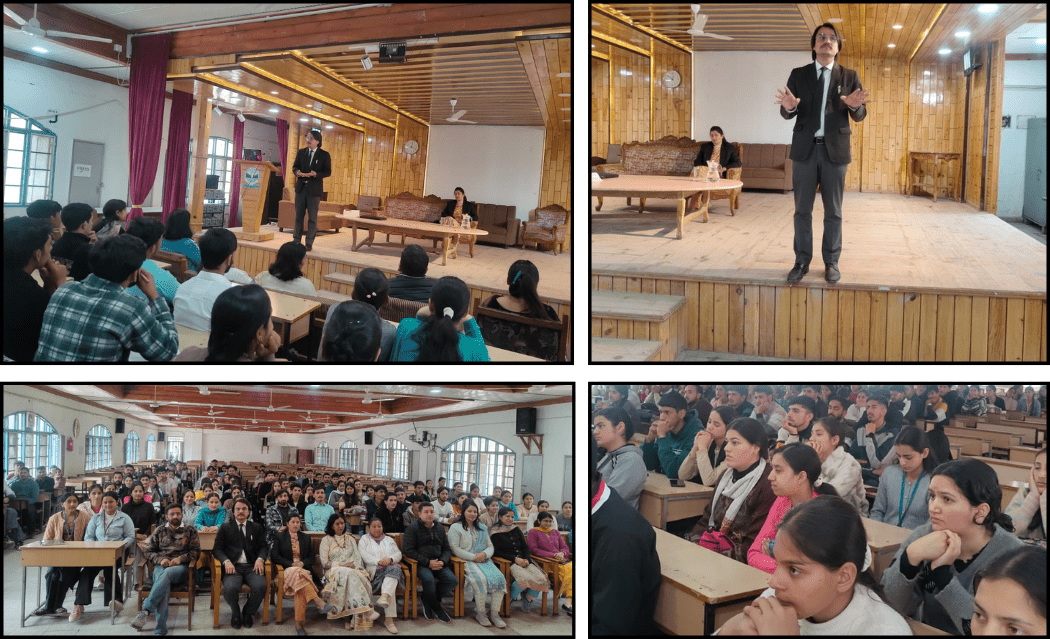
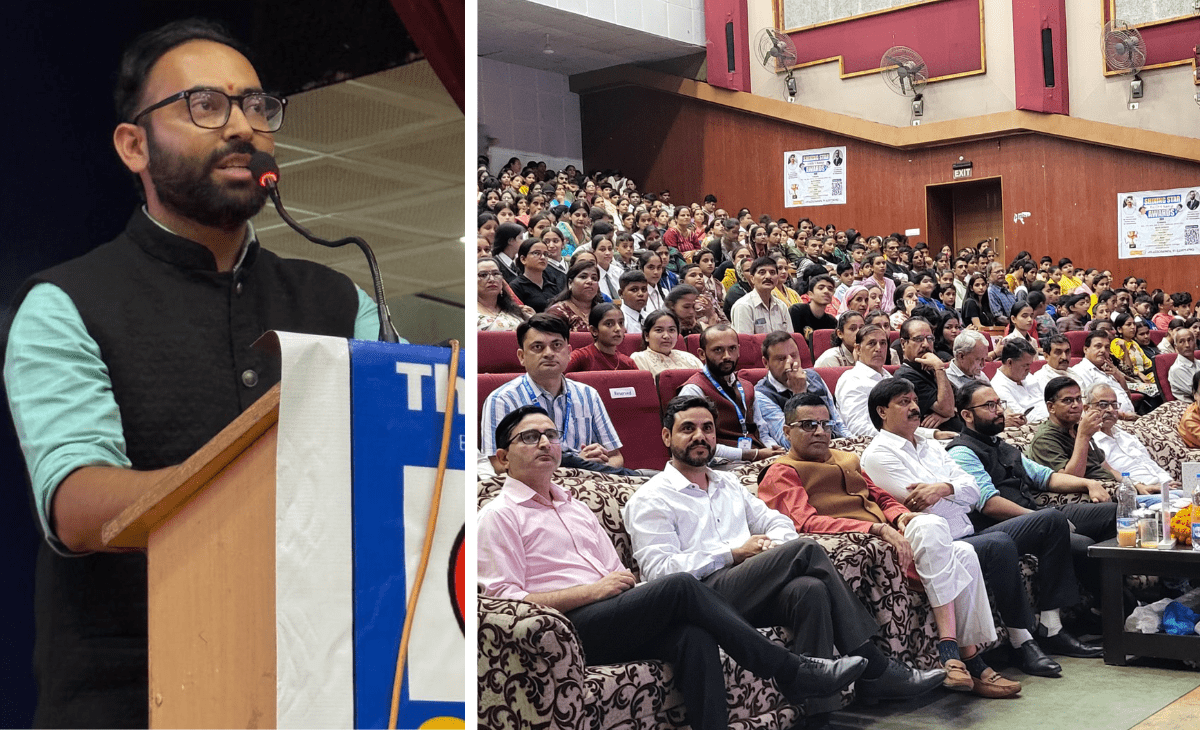
Training-cum-awareness sessions on improved agro-technologies and processing methods of aromatic crops were organized, drawing enthusiastic participation from over 60 farmers, state officials, scholars, and scientists. The programmes highlighted growing interest in aromatic and medicinal plants as alternative income-generating crops in the region.
Expert Insights
- Dr. Sudesh Kumar Yadav, Director, CSIR-IHBT, emphasized Tripura’s immense potential for aromatic crops due to its humid tropical climate, high rainfall, and fertile soils. He noted that CSIR-IHBT has already signed an MoU with Tripura University to promote aromatic plants under Aroma Mission Phase III, aiming to enhance farmers’ income through improved cultivation and processing technologies.
- He identified citronella, lemongrass, palmarosa, patchouli, and basil as highly suitable crops for Tripura’s agro-climatic conditions, capable of strengthening the rural economy.
- Dr. Rakesh Kumar, Chief Scientist and Co-Nodal of CSIR-Aroma Mission, highlighted technical aspects during the training, stressing the importance of adopting scientifically validated planting material, improved agronomic practices, and on-farm distillation technologies to boost both yield and quality of essential oils.
Significance of the Visit
The visit marked a key step in expanding CSIR-IHBT’s engagement in the North Eastern region, reinforcing the objectives of Aroma Mission Phase III by promoting sustainable cultivation, value addition, and entrepreneurship development in aromatic crops tailored to local conditions.