
Cultural showcases across the town to reflect Himachal’s traditions, devotion and artistic legacy
Munish Sood
Mandi
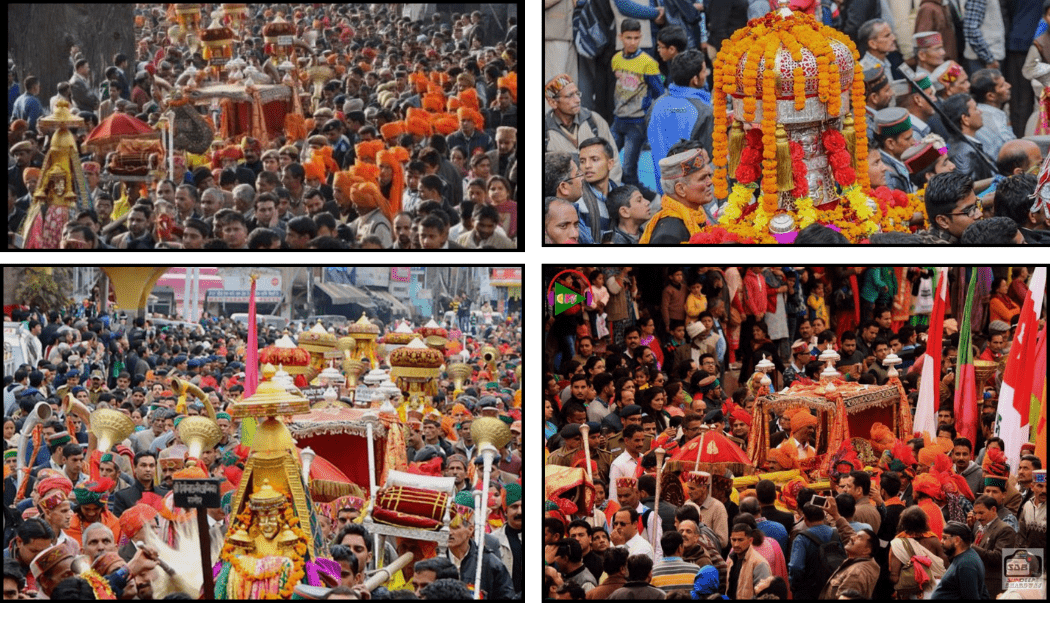
Mandi, widely revered as Choti Kashi of Himachal Pradesh, is preparing to welcome visitors from across the country and abroad as the International Shivratri Festival returns with its unique blend of spirituality, tradition and cultural grandeur.
While the main stage performances remain a major attraction, this globally recognised fair is equally distinguished by a rich calendar of cultural events spread across the town. Organised by the Shivratri Mela Committee, these programmes aim to present the living heritage of the region — connecting local traditions with a wider national and international audience.
With Mandi stepping into its 500th year, this edition of the festival is expected to carry special cultural significance, offering visitors an immersive experience of Himachal’s folk spirit, classical artistry and devotional atmosphere.
Folk Culture as the Soul of the Festival
The International Shivratri Fair has long been a showcase of Himachal’s priceless folk heritage, where local dance forms, music and community traditions come alive in celebration.
Among the most anticipated highlights are the Devalu Nati and traditional musical instrument competitions, which reflect the deep-rooted Dev culture of the region. These events, organised annually, transform the festival environment into a vibrant expression of faith, rhythm and collective identity.
For visitors, these performances offer more than entertainment — they provide a glimpse into the cultural soul of the Himalayas.
Classical Arts to Receive Prominence
Recognising Indian classical music as an invaluable cultural treasure, the festival will also feature high-quality performances based on classical singing, instrumental music and dance.
These presentations not only enrich the artistic profile of the fair but also provide an important platform for accomplished performers, ensuring that classical traditions remain relevant and accessible to younger generations and international guests.
Theatre and Poetry: Culture Beyond Celebration
The festival’s cultural programming also extends into thoughtful artistic spaces through theatre and poetry.
Drama performances at Sanskriti Sadan will bring together 8 to 10 theatre groups, continuing Mandi’s longstanding contribution to keeping stage arts alive in the state.
A prestigious Kavi Sammelan will further add intellectual depth to the celebrations, where noted poets and poetesses will share verses that entertain, inspire and provoke reflection.
Devotional Evening to Mark a Historic Milestone
To commemorate Mandi’s entry into its 500th year, a grand Bhajan Sandhya will be organised at Sankat Garden. Renowned devotional singer Abhishek Soni and his troupe, along with other bhajan mandalis, will create a spiritually charged atmosphere ahead of Shivratri.
Such events strengthen the festival’s identity as not only a cultural fair but also a celebration of devotion and community bonding.
Cultural Schedule Announced
Programme coordinator and District Language Officer Revati Saini shared the key dates of the cultural calendar:
• February 10: Classical music performances at Sankat Garden from 6 pm
• February 11: Bhajan Sandhya at Sankat Garden from 6 pm
• February 12–13: Theatre presentations at Sanskriti Sadan from 11 am
• February 17: Kavi Sammelan and Mandyali Gita Path at Sanskriti Sadan
• February 20: Devalu Nati and Bajantari competition at Paddal Ground
A Festival That Connects Tradition With the World
The International Shivratri Fair in Mandi is not merely an annual celebration — it is a cultural bridge that connects Himachal’s centuries-old traditions with contemporary audiences from around the world.
As the town prepares to host devotees, tourists, artists and cultural enthusiasts, this year’s festival promises an enriching experience where devotion meets heritage, and local identity resonates on an international stage.