
Sunil Chadha
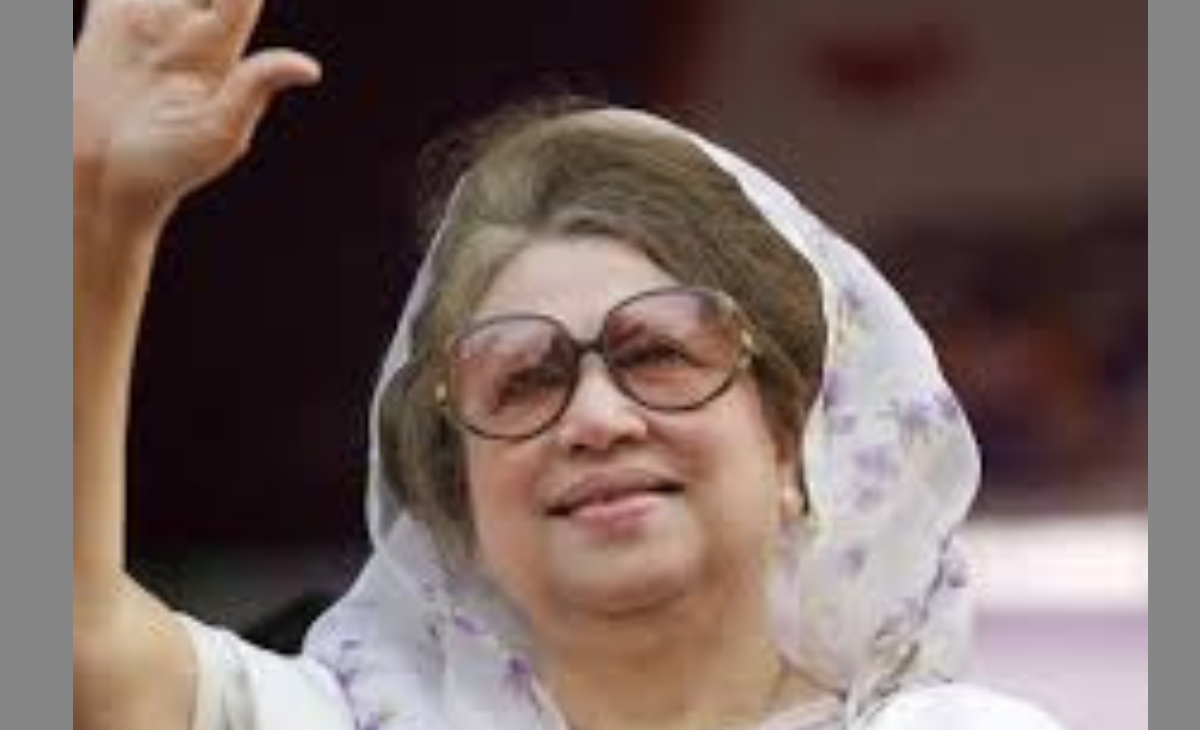
Late Bangladesh Prime Minister Khaleda Zia’s political life was as dramatic as the subcontinent’s turbulent history. Born in pre-Partition India, she went on to rule Bangladesh twice, before being pushed out of power amid protests, allegations of authoritarianism and corruption.
Her journey from a quiet homemaker to a formidable political matriarch remains one of South Asia’s most compelling political transformations.
India-born First Lady turned politician
Born in 1945 in Jalpaiguri district (then West Bengal), Khaleda’s original name was Khaleda Khanam ‘Putul’. Following Partition, her family moved to Dinajpur in what was then East Pakistan. She married army officer Ziaur Rahman in 1960, a union that would later shape Bangladesh’s political destiny.
For years, Khaleda remained firmly outside public life — even after Ziaur became President in 1977 — earning a reputation as a reserved First Lady with little political ambition.
Two terms in power, deepening divides
Khaleda’s ascent began after her husband’s assassination as she took charge of the BNP to counter military-backed regimes. Her first term as Prime Minister (1991-96) focused on market-oriented reforms and restoring parliamentary governance, though relations with India remained strained.
Her second term (2001-06) proved more contentious. Backed by Islamist allies including Jamaat-e-Islami, her government faced criticism over rising extremism, shrinking space for dissent and Bangladesh allegedly becoming a haven for anti-India militant groups.
Downfall amid protests, jail and exile from power
By 2006, widespread street protests over electoral reforms and governance forced Khaleda to step aside, leading to an interim government and fresh elections. In 2008, the BNP suffered a crushing defeat to Sheikh Hasina’s Awami League, a loss from which the party never fully recovered.
Legal cases followed. Convicted in corruption matters in 2018, Khaleda spent years battling illness in and out of prison. Though later released on medical grounds and formally pardoned after political changes in 2024, she never returned to electoral politics.
Her removal from power marked not just the end of a government, but the gradual eclipse of a leader who once symbolised Bangladesh’s anti-authoritarian struggle — only to later be undone by the same democratic pressures she helped revive.