
Sunil Chadha
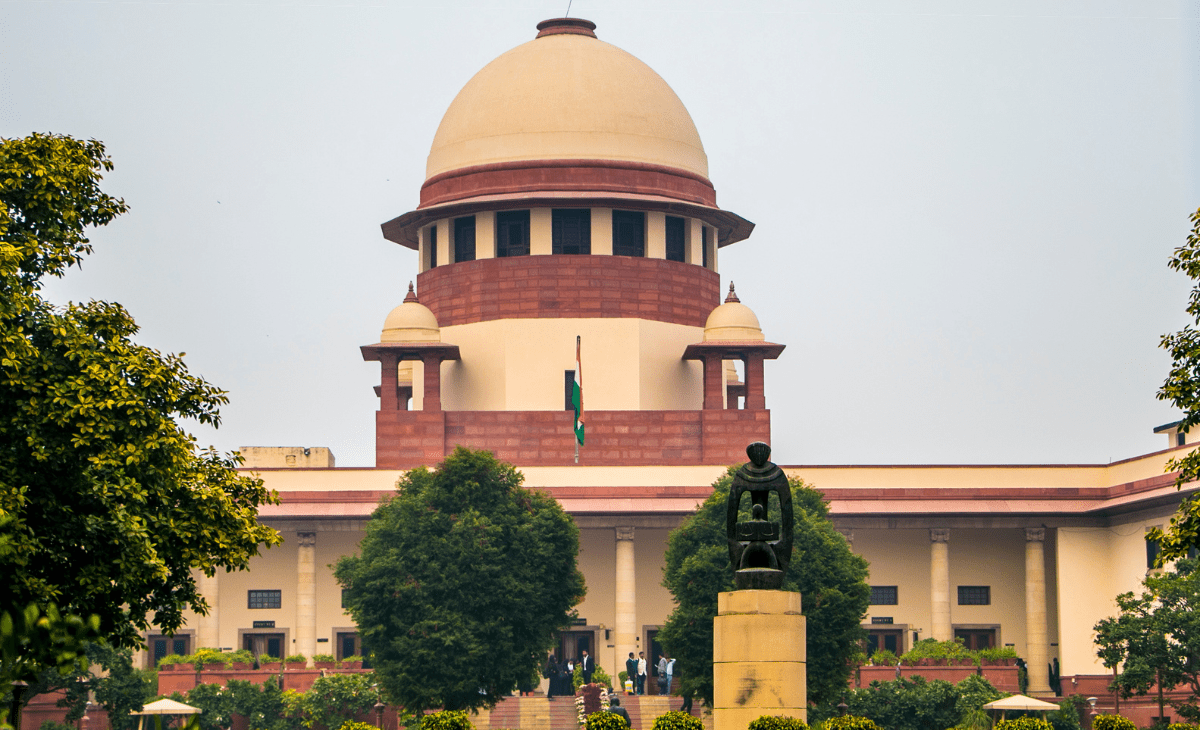
Shimla: Striking a careful balance between judicial restraint and executive authority, the Supreme Court on Tuesday set aside the Himachal Pradesh High Court’s order directing the cutting of fruit-bearing apple trees on encroached forest land, while making it clear that its intervention neither grants blanket protection to encroachments nor bars the state government from acting in accordance with law.
In one breath, the top court cautioned the high court against venturing into the policy domain; in another, it reminded the state government that it retains the power to proceed against encroachments but with sensitivity to livelihood and welfare concerns.
A Bench led by Chief Justice of India Surya Kant and Justice Joymalya Bagchi said the high court erred in issuing directions that had “drastic consequences”, particularly for marginalised and landless people dependent on apple orchards for survival. The apex court underlined that ordering the removal of fruit-bearing trees was a policy-laden decision and the high court should not have crossed that line.
Observing that the issue involved complex questions of rehabilitation, livelihood and environmental impact, the Bench said such matters were better addressed by the executive through policy measures rather than sweeping judicial commands.
Govt free to act, but lawfully
At the same time, the Supreme Court made it explicit that its order should not be read as a bar on the Himachal Pradesh government’s authority to take action against encroachments on forest land. The state, the court said, is free to proceed in accordance with law, but must remain mindful of its obligations as a welfare state.
The court advised the state government to work out a considered proposal to assist landless and marginalised families and place it before the Centre for necessary support, signalling that enforcement and welfare must go hand in hand.
Balancing ecology, economy
The apex court was hearing petitions filed by the state government and by former Shimla Deputy Mayor Tikender Singh Panwar along with activist-advocate Rajiv Rai, who had challenged the high court’s July 2 order. The petitioners had warned that mass felling of apple trees, particularly during the monsoon, could heighten the risk of landslides and soil erosion in the ecologically fragile hill state.
They also argued that apple orchards form the backbone of Himachal Pradesh’s rural economy, sustaining thousands of families and that indiscriminate cutting without a comprehensive environmental impact assessment would violate the right to livelihood.