
Abhay Verma
Dharamshala
Himachal Pradesh, a state defined by its mountains, snowlines and seasonal rhythms, is facing an unusually dry winter that is reshaping daily life across regions. From the snow-bound districts of Lahaul-Spiti to the mid-hill belts of Kangra and Shimla, winters have arrived with biting cold but without the rain and snowfall that traditionally sustain the Himalayan ecosystem.
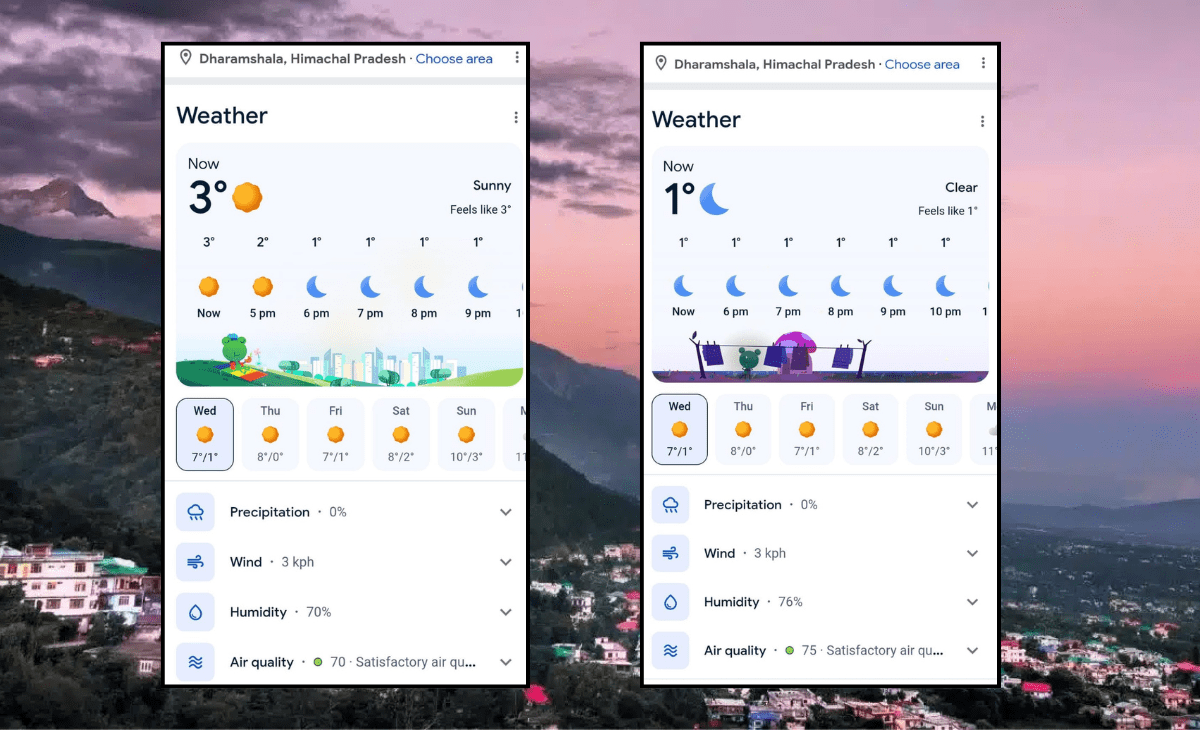
In Dharamshala, temperatures dipped below 3°C today, yet the day passed without precipitation. For a town known for misty winters and steady rainfall, the dry cold is increasingly becoming the new normal.
Climate Change Weakening Winter Systems
Winters once replenished springs, sustained rivers like the Beas, Ravi, Sutlej, and Chenab, and laid the foundation for agriculture, horticulture, and hydropower. That balance is now disturbed. Rising average temperatures over the western Himalayas are weakening western disturbance systems, resulting in colder nights, warmer days, and prolonged dryness.
Non-Sustainable Development Amplifying Stress
Deforestation for highways, hydropower projects, tourism infrastructure, and urban expansion has stripped the hills of resilience. Aggressive hill cutting in Kangra, Mandi, Kullu, Shimla, and Chamba has altered slope stability and reduced the moisture-holding capacity of the landscape. Environmental safeguards remain weak, with impact assessments often treated as formalities.
Agriculture Under Threat
Rainfed farming is under severe stress. Rabi crops such as wheat, barley, mustard, and vegetables are suffering due to declining soil moisture. In higher elevations, reduced snowfall is lowering chilling hours essential for apple cultivation in Shimla, Kullu, and Kinnaur, directly affecting flowering, fruit quality, and yield.
Dry Winters Fuel Harsh Summers and Disastrous Monsoons
The absence of winter rain and snow is contributing to hotter summers, drying springs earlier each year, increasing forest fires, and intensifying drinking water shortages. Hardened soils and weakened vegetation then fail to absorb monsoon rains, leading to flash floods, landslides, and slope failures.
Tourism and Public Health at Risk
Snow-dependent destinations like Manali, Kufri, Narkanda, and Dalhousie are struggling with snowless seasons, undermining winter tourism. Artificial snow offers limited relief but adds pressure on water resources. Dry winters are also linked to respiratory problems, allergies, skin disorders, and water scarcity, particularly affecting children and the elderly.
Forecast and Warning
The India Meteorological Department has forecast minimum temperatures to remain below normal, with weak western disturbances bringing only light, scattered precipitation—insufficient to address the deficit.
Older generations recall winters that reliably recharged water sources and kept the climate balanced. Today, dry winters, rising summer temperatures, and destructive monsoons are interconnected outcomes of climate change and unsustainable development.
Himachal Pradesh stands at a crossroads. Unless sustainability moves from paper to practice, the state risks chronic water stress, agricultural instability, recurring disasters, and irreversible environmental damage.