
Himani Sharma
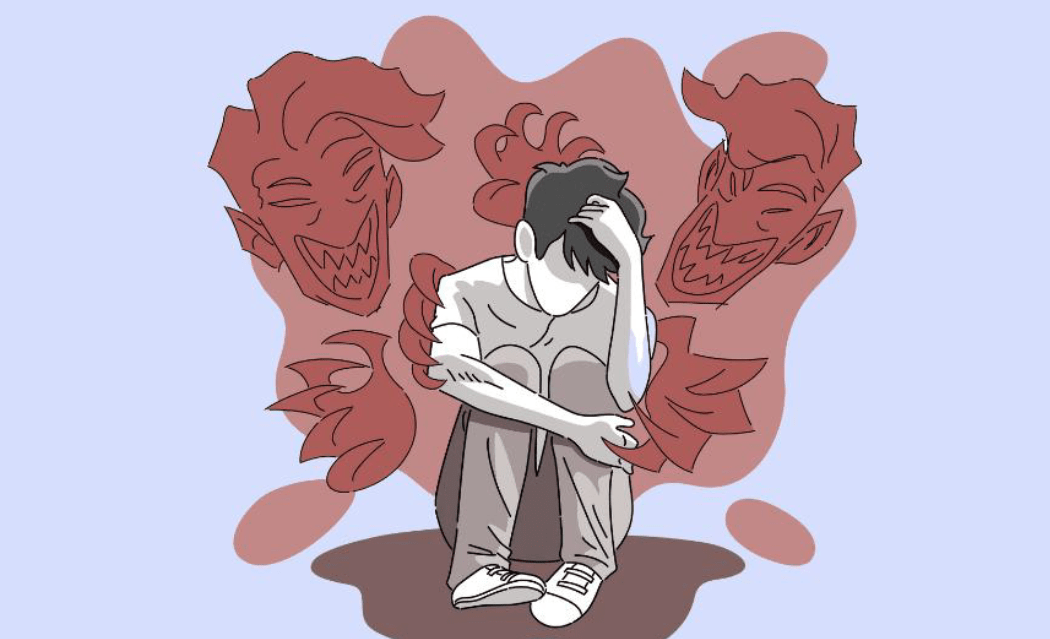
Mental harassment is a sustained pattern of behavior causing psychological distress, emotional pain, and humiliation. It is repetitive, targets mental and emotional states, exploits vulnerabilities, and lacks visible evidence, complicating identification.Occurs in domestic settings (criticism, control), educational environments (ridicule, exclusion), workplaces (intimidation, isolation), and digital platforms (cyber harassment). Each context presents unique challenges but shares similar psychological impacts.
Root Causes
- Driven by power imbalances, psychological factors (insecurity, need for control), and social norms that normalize abuse.
- Institutional failures and lack of accountability further perpetuate mental harassment.
Psychological and Physical Effects
- Victims experience chronic stress, anxiety, depression, and diminished self-worth, leading to cognitive impairments and potential trauma-related disorders.
- Physical symptoms include fatigue, sleep disorders, and behavioral changes like social withdrawal and performance decline.

Social and Organizational Impact
- Affects families through emotional instability and strained relationships; organizations face decreased productivity and high turnover.
- Contributes to broader societal issues like mental health challenges and increased healthcare burdens.
Legal and Ethical Dimensions
- Recognized as a violation of human dignity, enforcement is inconsistent due to evidence challenges and societal stigma.
- Institutions have a moral obligation to prevent psychological harm and protect mental well-being.
Identification and Prevention
- Early warning signs include persistent fear, emotional sensitivity, and withdrawal.
- Prevention requires education, clear policies, and inclusive environments to promote safety and accountability.
Support and Intervention
- Focus on victim support through accessible mental health services, emotional validation, and protection against retaliation.
- Recovery involves rebuilding self-esteem and resilience with sustained support.
Role of Society and Policy Makers
- Society must challenge norms that normalize mental harassment, promoting mental health literacy and ethical behavior.
- Policies should prioritize mental well-being and ensure effective enforcement mechanisms.
Mental harassment is a serious issue requiring urgent attention and collective action to foster a culture valuing mental dignity and psychological well-being.