
Sunil Chadha
Shimla
At a time when higher reaches of Himachal Pradesh are witnessing intensified cold conditions, the state capital Shimla has recorded the highest minimum temperature in the state, raising concern among environmentalists, climate observers, horticulturists and hoteliers. While tribal and high-altitude regions such as Lahaul-Spiti and parts of Kullu continue to reel under a cold wave, Shimla’s night temperature climbed to an unusual 12.2°C.
Weather experts point out that such a high night temperature in mid-December is rare for Shimla. The last comparable instance dates back to December 17, 1991, when the minimum temperature was recorded at 13.8°C. “This is not a routine fluctuation. Warmer winter nights in hill towns are a clear signal of changing climate behaviour in the western Himalayas,” an environmental expert said.
Sharp contrasts in night temperature
The contrast across various parts has been stark. While Kukumseri recorded a minimum of -4.1°C and Tabo -2.3°C, several mid-hill towns reported much lower temperatures than Shimla. Kalpa settled at 3.4°C, Sundernagar at 2.7°C and Bhuntar at 3.5°C. Manali recorded a minimum of 4.6°C, Solan 3.2°C and Palampur 5.5°C. Dharamshala saw a night temperature of 8.8°C, while Una recorded 7°C. Jubbarhatti and Kufri were also cooler at 9.2°C and 10.3°C, respectively.
Environmentalists say this unusual pattern where the capital remains warmer than many lower-altitude locations highlights a worrying shift. “Rising minimum temperatures are more damaging than occasional heat spikes. They affect snowfall, soil moisture and long-term water security,” said a climate analyst.
Apple orchardists and farmers anxious
Apple growers in Shimla, Kinnaur and Kullu districts say the long dry spell combined with warmer nights is affecting chilling hours critical for apple trees. “Without adequate winter chill and snow, flowering and fruit-setting will suffer. Farmers are already anxious about the coming season,” an orchardist said.
Farmers in the plains and lower hills are facing a different challenge. Persistent fog has started damaging vegetable and onion crops, increasing the risk of losses. Many districts have been waiting for rain for weeks, impacting both rabi crops and horticulture.
Rain, snow forecast offers hope
The Meteorological Centre, Shimla, has forecast rain and snowfall in mid and higher hill districts over the next two days due to an active western disturbance. Precipitation is likely in Chamba, Kangra, Kullu, Mandi, Shimla, Kinnaur and Lahaul-Spiti districts, offering some relief to farmers and orchardists.
However, dense fog continues to disrupt daily life in Bilaspur, Sirmaur and parts of Mandi district, particularly near reservoirs. Visibility remains poor during morning and evening hours, slowing vehicular movement. A yellow alert for fog remains in place for the next two days, while clear weather is expected across the state between December 22 and 25.
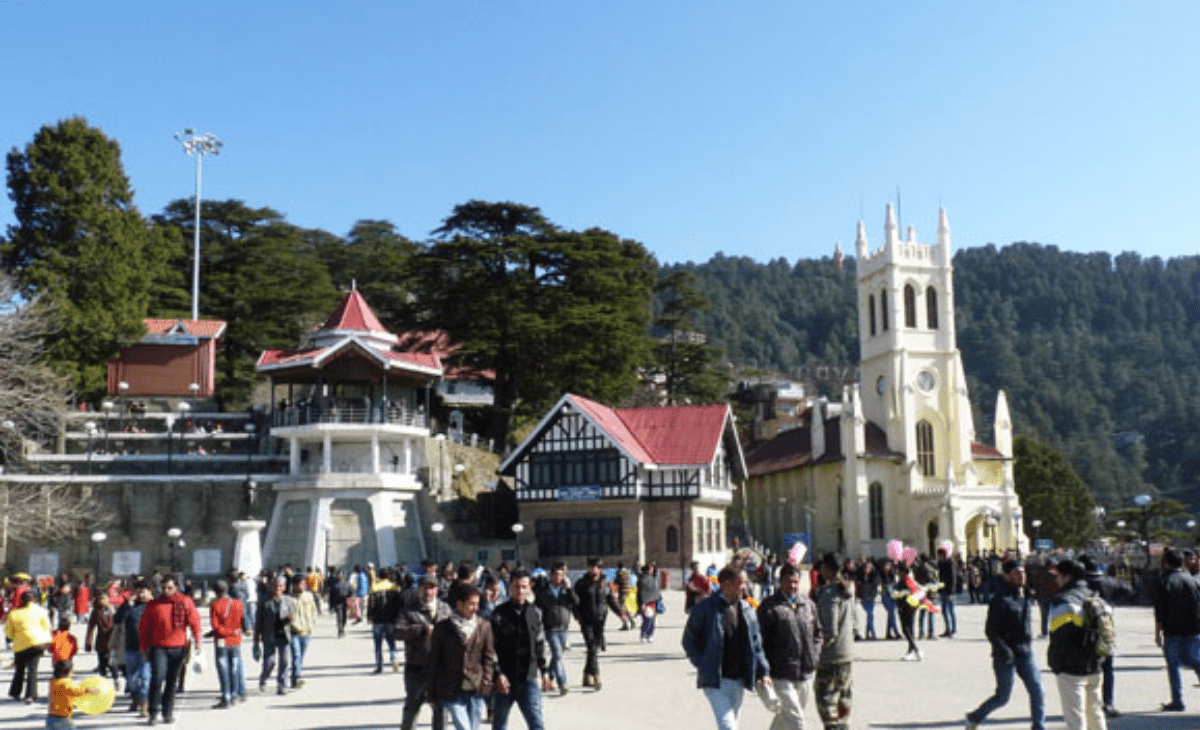
Hoteliers in Shimla and other tourist destinations say the lack of early snowfall is beginning to impact winter tourism. “Tourists associate Shimla with snow in winter. When nights stay warm and snow is missing, bookings take a hit,” a hotelier said.
With maximum temperatures also dipping by up to five degrees in several areas due to cloud cover, experts caution that erratic temperature patterns are becoming the new normal in Himachal, with serious implications for ecology, agriculture and tourism.