
Priyanka Thakur
Shimla
In a move that appears modest on the surface but significant in intent, the Himachal Pradesh Electricity Regulatory Commission has announced a marginal reduction of 1 paisa per unit in electricity tariffs for the financial year 2026–27. The revised rates will come into effect from April 1, 2026.
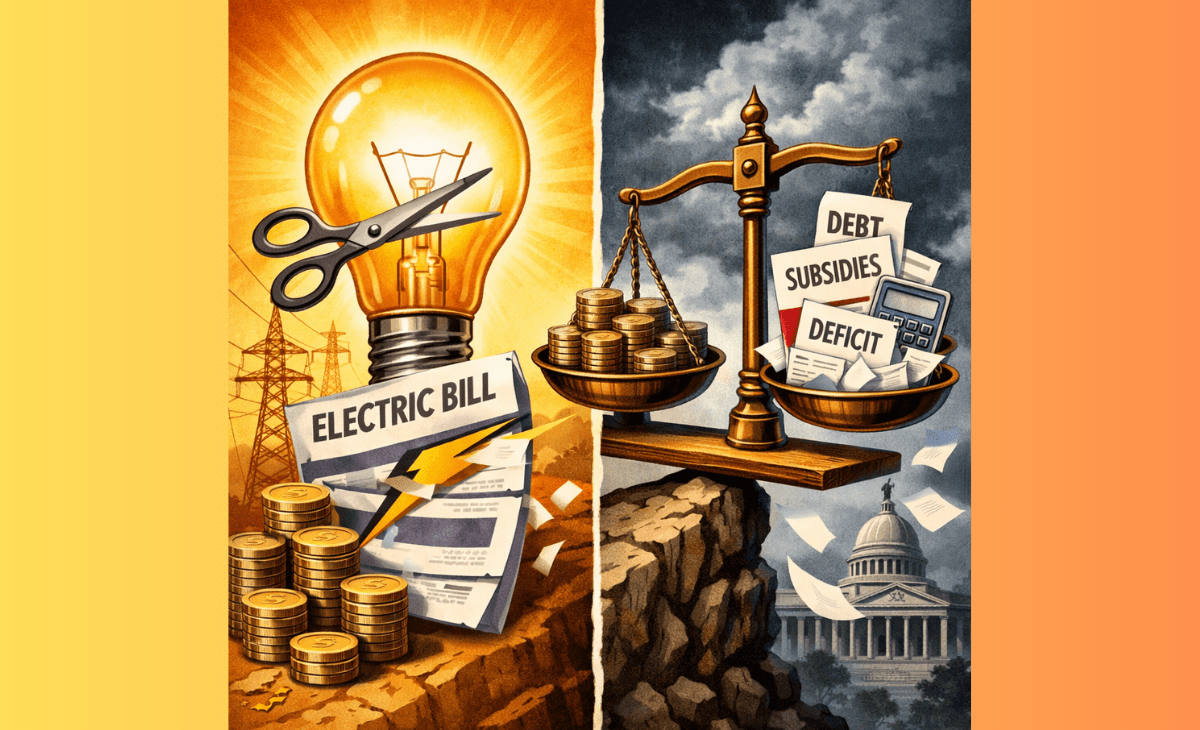
While the cut may seem negligible for individual consumers, it carries broader economic and political undertones. At a time when inflationary pressures are squeezing household budgets, even a symbolic relief helps the government project sensitivity toward public concerns—without disturbing the fragile financial equilibrium.
Balancing Rising Costs Without Burdening Consumers
The Commission has estimated the state power utility’s annual revenue requirement at approximately ₹8,636 crore for 2026–27, higher than the previous fiscal. Despite this increase, authorities have chosen not to pass the burden directly onto consumers.
Instead, the approach signals a calibrated balancing act—absorbing rising costs while avoiding tariff hikes that could trigger public backlash.
Revised Tariff Structure at a Glance
• Domestic consumers: ₹4.71 to ₹5.89 per unit (slab-based)
• Agriculture: ₹5.03 per unit
• Non-domestic: ₹6.11 to ₹6.37 per unit
• Commercial: ₹6.20 to ₹6.39 per unit
• Small industries: ₹5.60–₹5.71 per unit
• EV charging: ₹6.78 per unit
Subsidy Holds the Key
In Himachal Pradesh, electricity pricing is heavily influenced by state-backed subsidies. A substantial portion of the cost is borne by the government, effectively cushioning consumers from real market rates.
Experts note that the real impact on monthly bills will depend less on the nominal tariff cut and more on the extent of subsidy the government continues to provide in the coming fiscal.
More Than Just a Price Cut
The decision is being viewed as more than a routine regulatory revision. It reflects an attempt to strike a fine balance between fiscal discipline and political messaging—offering relief without widening the state’s financial deficit.