

TNR News Network
Shimla
Nearly three months after the withdrawal of the monsoon, Himachal Pradesh is staring at drought-like conditions as prolonged dry weather begins to take a heavy toll on agriculture and horticulture.
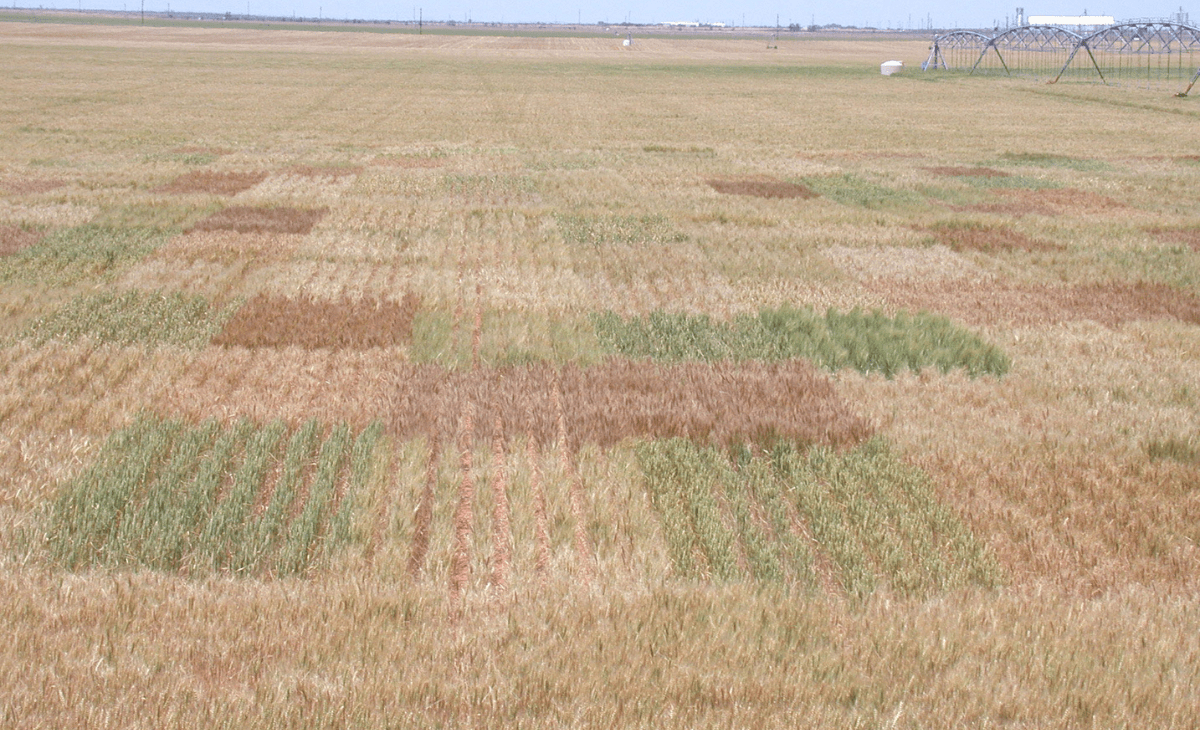
With virtually no rainfall for around two-and-a-half months, key crops such as wheat, apple, garlic and Kangra tea are showing signs of stress, raising fears of a dip in overall production this year.
Farmers across districts say the lack of soil moisture has disrupted sowing schedules and weakened standing crops. In several areas, wheat sowing has either been delayed or remains incomplete, while orchards are struggling with inadequate moisture levels.
Wheat sowing hit, rabi crops turn yellow
The impact is most visible in rabi crops. In Kullu district, nearly 60% of rabi sowing could not be completed and crops that have been sown — including garlic, peas, barley and wheat — are turning yellow. Of the nearly 18,000 hectares normally brought under rabi cultivation in the district, large tracts remain parched.
Horticulture activities have also slowed, with growers unable to dig pits for new orchards or carry out routine operations.
In Una, wheat fields dried up completely. Groundwater levels in wells have dropped by around 10 feet compared to the monsoon period. Chamba district has reported that nearly 10% of farmers are still waiting for rain to begin wheat sowing.
Kangra district is facing a similar situation, particularly in the rain-fed Changar areas, where about 10% of farmers have not sown wheat due to lack of irrigation.
Of the roughly 92,000 hectares under wheat cultivation in the district, rain-fed patches are the worst hit. In Mandi, sowing is yet to be completed on around 11,000 hectares, even as farmers have covered about 82% of the targeted area.
Apple growers worry over chilling hours
The dry spell has heightened anxiety among apple growers, especially over insufficient chilling hours, a key requirement for healthy flowering and fruiting. Farmers say they are unable to plant new apple varieties, kiwi, Japanese fruits and other saplings due to lack of moisture. Areas such as Karsog, Seraj, Naggwai and parts of Dharampur, Gopalpur and Drang, which largely depend on rainfall, are particularly vulnerable.
Experts warn that if adequate moisture is not restored, flowering in orchards could be adversely affected, leading to reduced yields. Fruit belts producing apple, pear, citrus fruits, litchi, pomegranate and galgal are all under watch.
Kangra tea, garlic take a hit
The drought-like situation is also threatening Kangra tea, which has an average annual production of around 10 lakh kg from areas such as Dharamshala, Palampur, Baijnath, Bir and Chauntra. Tea growers caution that if rains do not arrive by January, production could decline as dry soil limits nutrient absorption, affecting new leaf growth in March.
In Sirmaur district, nearly 20% of the garlic crop has already been damaged due to moisture stress, particularly in Sainj Dhar, Dhar Tidhhar, Giripar, Rajgarh and Pachhad areas. The agriculture department had set a target of producing 60,000 metric tonnes of garlic on 4,050 hectares this season. Farmers say the crop is failing to pick up growth despite high input costs.
Agriculture department officials have warned that if the dry spell continues for another fortnight, crop losses could range between 5% and 10%. Horticulture authorities, meanwhile, say the distribution of fruit plants has been delayed due to unfavourable conditions, adding to growers’ concerns as Himachal waits anxiously for rain.