
Vikal Sharma
Palampur
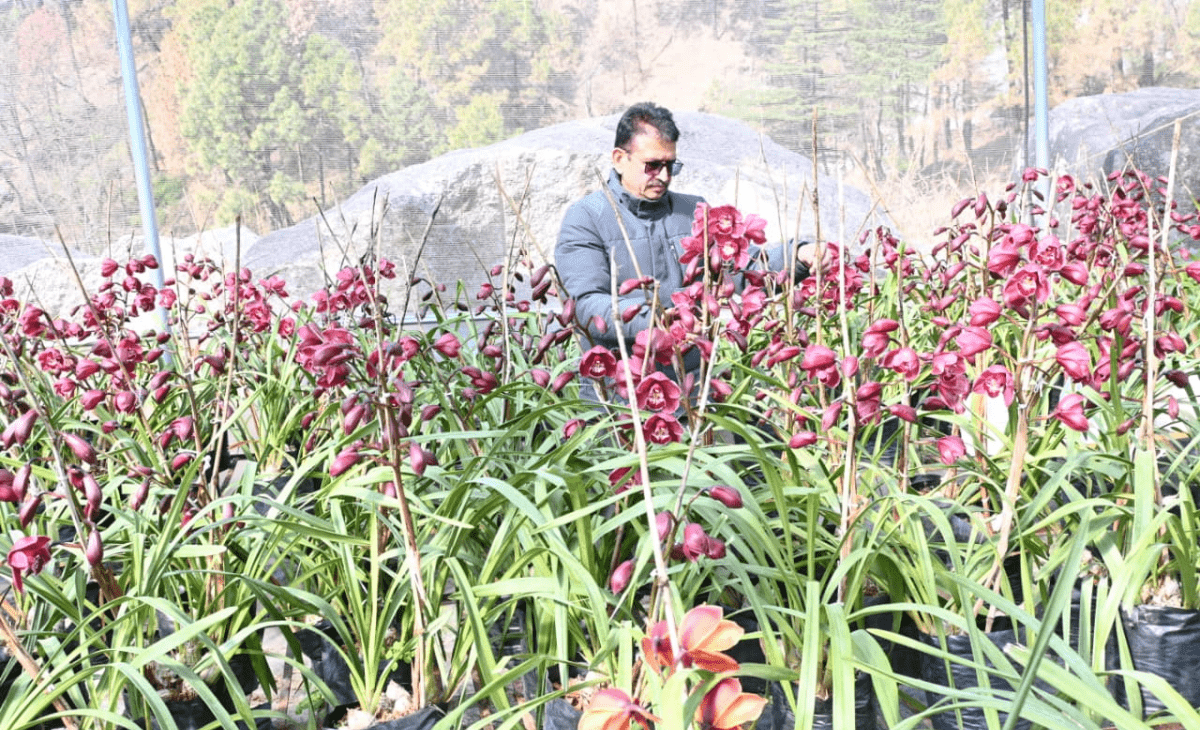
Horticulture in Himachal Pradesh is no longer limited to apples and traditional fruits. With the active support of the state’s Horticulture Department, floriculture is emerging as a promising avenue of self-employment, opening new economic opportunities for progressive farmers and young entrepreneurs. Under the leadership of Chief Minister Thakur Sukhvinder Singh Sukhu, schemes such as Pushp Kranti are encouraging cultivators to adopt modern and high-value flower farming. A shining example of this transformation is Dr. Narendra Pathak, who has successfully cultivated the Northeast’s iconic Cymbidium Orchid in the Palampur region
Bringing Northeast’s Pride to Himachal
Dr. Narendra Pathak, a native of Kutlehar in Una district, holds a PhD in Floriculture. Rather than limiting his expertise to academic research, he chose to translate knowledge into practice. Driven by passion and innovation, he leased land in the Rakkh area of Palampur and established modern polyhouses to begin commercial flower cultivation.
His objective was ambitious yet clear: to adapt Cymbidium Orchid—traditionally grown in India’s northeastern states—to Himachal’s climatic conditions. Known for its elegance, vibrant colours and long vase life, Cymbidium Orchid is highly valued in weddings, luxury décor and the hospitality industry.
High-Value Flower with Strong Market Deman
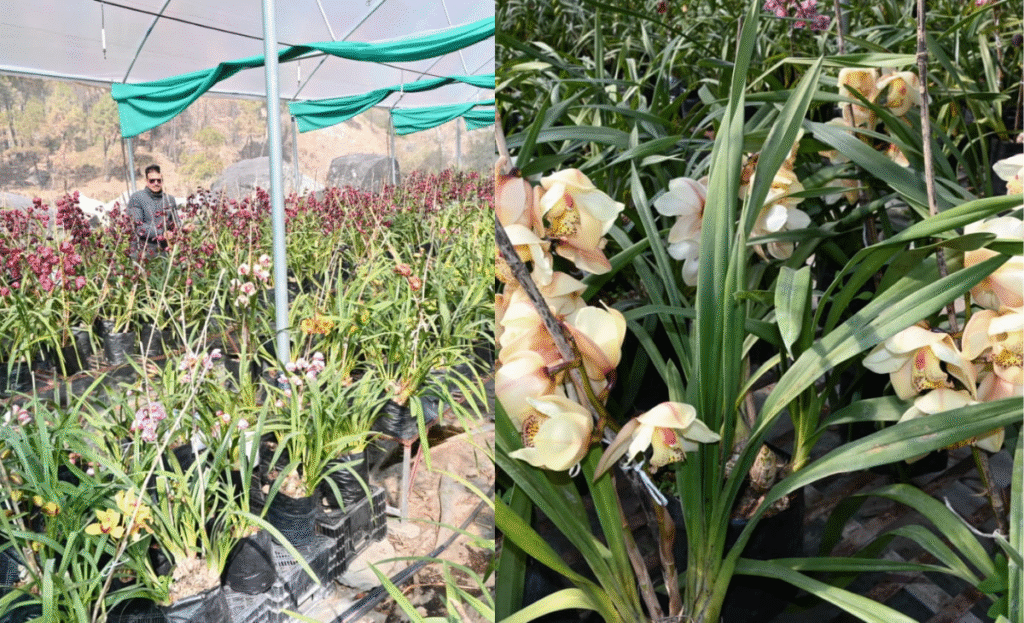
Cymbidium Orchid is a Himalayan flower but is commercially cultivated mostly in the Northeast. Accepting this challenge, Dr. Pathak sourced quality planting material from the region. Today, more than 50 colourful varieties of Cymbidium are flourishing in his three state-of-the-art polyhouses spread across nearly 1,000 square feet.
Once cut, the flower remains fresh for five to seven weeks, making it highly attractive for metropolitan markets. At present, a single flower spike fetches up to ₹500, while a full pot sells between ₹1,500 and ₹2,000. Major demand comes from cities like Delhi, where Dr. Pathak regularly supplies his produce.
Government Support as a Strong Pillar
Transforming a vision into reality requires resources and institutional backing. The Himachal Pradesh Horticulture Department played a crucial role in Dr. Pathak’s journey by providing technical guidance and financial assistance. Under the Pushp Kranti scheme and other initiatives, he received nearly ₹18.50 lakh in subsidies.
Dr. Pathak has expressed gratitude to Chief Minister Thakur Sukhvinder Singh Sukhu and departmental officials, stating that government support made the venture viable and sustainable. He has now also started producing Cymbidium planting material on his own, reducing dependency on external sources.
Patience Pays in Cymbidium Farming
Cymbidium cultivation requires long-term planning and patience. According to Dr. Pathak:
- The plant starts yielding returns nearly three years after planting.
- Within five to six years, it becomes a stable and high-income source.
- Once mature, the plant ensures consistent annual income for several years.
From 1,000 square feet, an income of nearly ₹8 lakh annually is achieved after stabilization, with future earnings expected to reach ₹25–30 lakh per year.
Inspiration for Youth and Progressive Farmers
Dr. Pathak is keen to share his knowledge and encourages other farmers and unemployed youth to adopt Cymbidium cultivation. He believes that with the right technology and effective use of government schemes, Himachal’s youth can achieve self-reliance.
“Cymbidium cultivation can open new doors of self-employment. With proper training and institutional support, this model can be replicated across the state,”
— Dr. Narendra Pathak, PhD in Floriculture & Progressive Farmer
Supporting this view, horticulture experts have highlighted the region’s suitability for such ventures.
“The Horticulture Department is fully committed to promoting floriculture through various schemes. Dr. Pathak’s work is a remarkable example,”
— Dr. Alakh Pathania, Deputy Director, Horticulture, Kangra
“Cold and high-altitude areas of Rait, Dharamshala, Baijnath and Bhawarna are ideal for Cymbidium cultivation. Unemployed youth should seriously consider this as a livelihood option,”
— Dr. Kamalsheel Negi, Joint Director, Horticulture Department, Dharamshala
A New Model of Diversified Horticultur
Dr. Narendra Pathak’s success demonstrates how innovation, scientific knowledge and government support can redefine agriculture in Himachal Pradesh. Cymbidium Orchid cultivation is not just adding colour to the hills but is also emerging as a sustainable model of high-income self-employment, setting a new benchmark for diversified horticulture in North India.
Other News
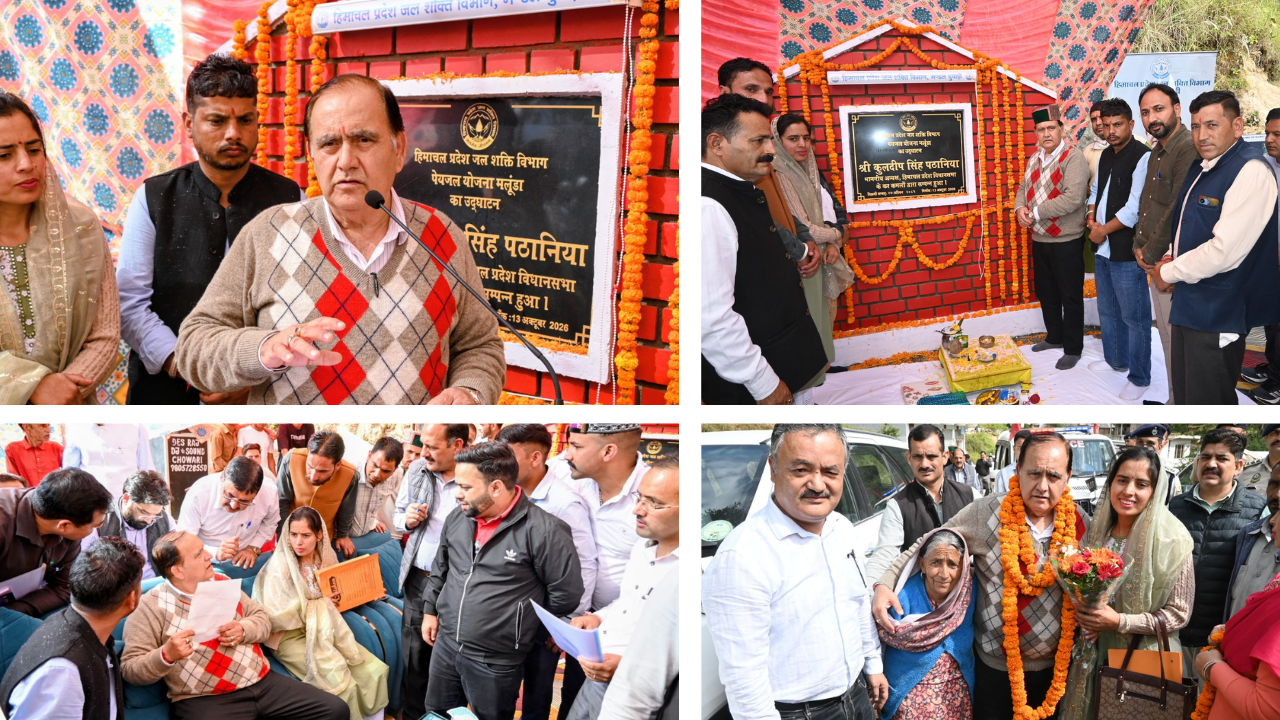
Assembly Speaker Inaugurates Malunda Water Supply Scheme, Announces Expansion of Ambulance Route
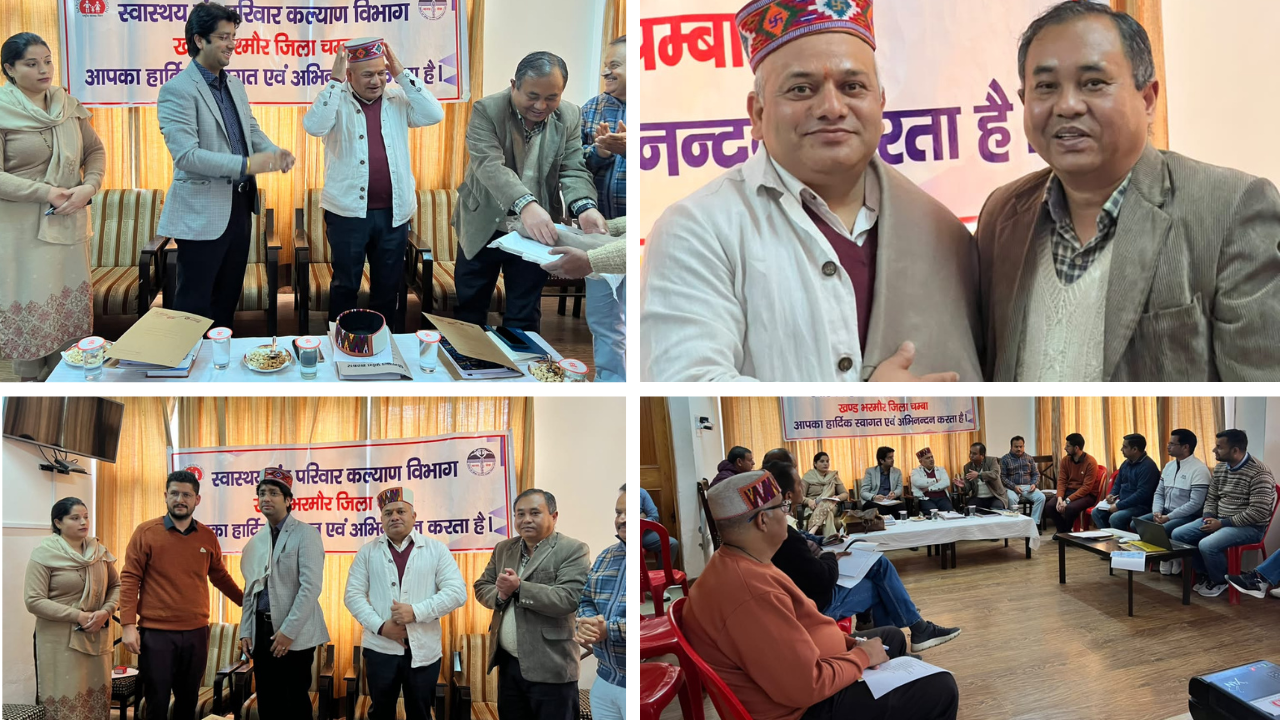
Governing Body Meeting of Health Department Held in Bharmaur; Chaired by MLA Dr. Janak Raj
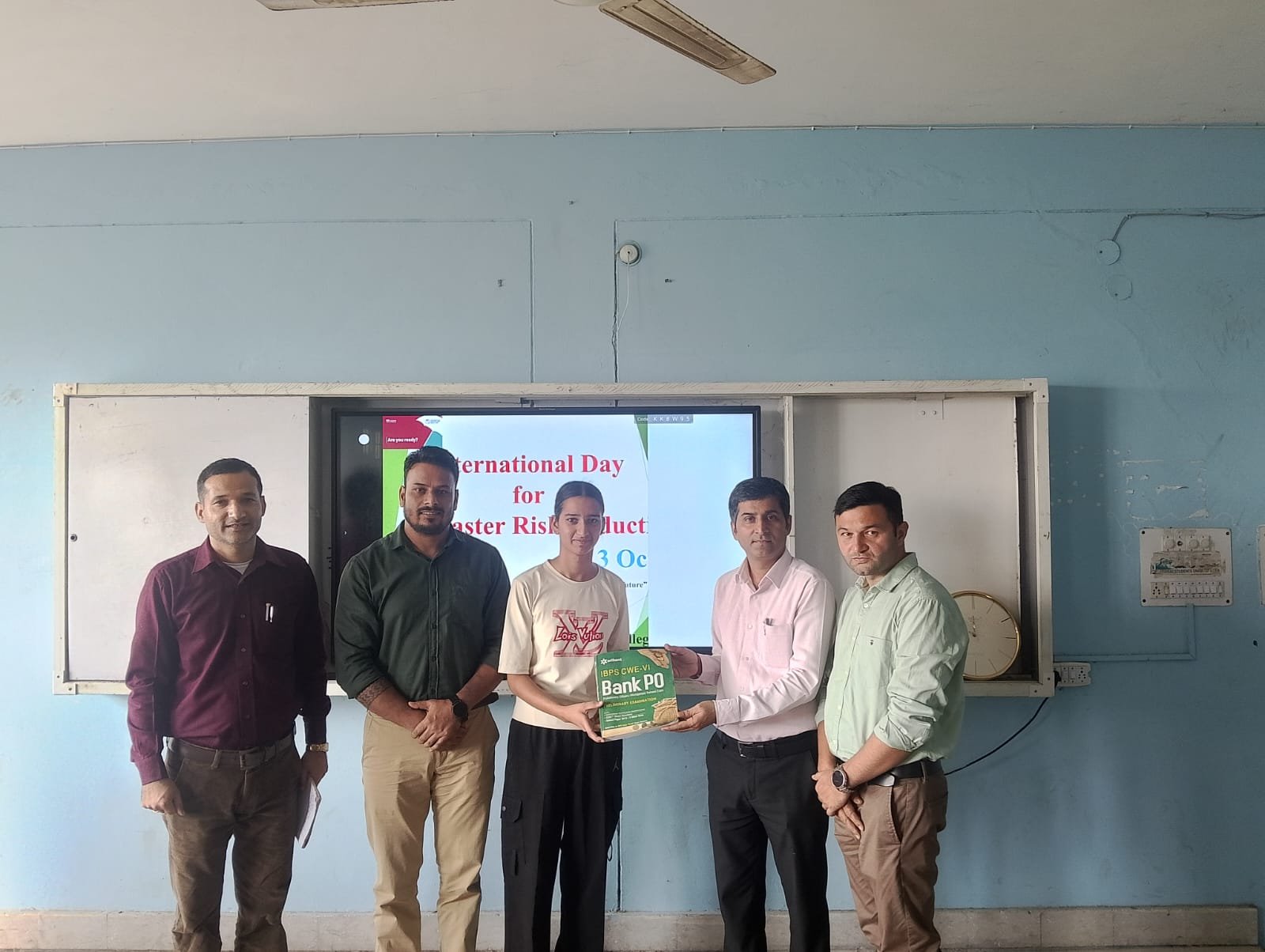
Seminar & Competitions on Disaster Management Held at Government Arya College, Nurpur
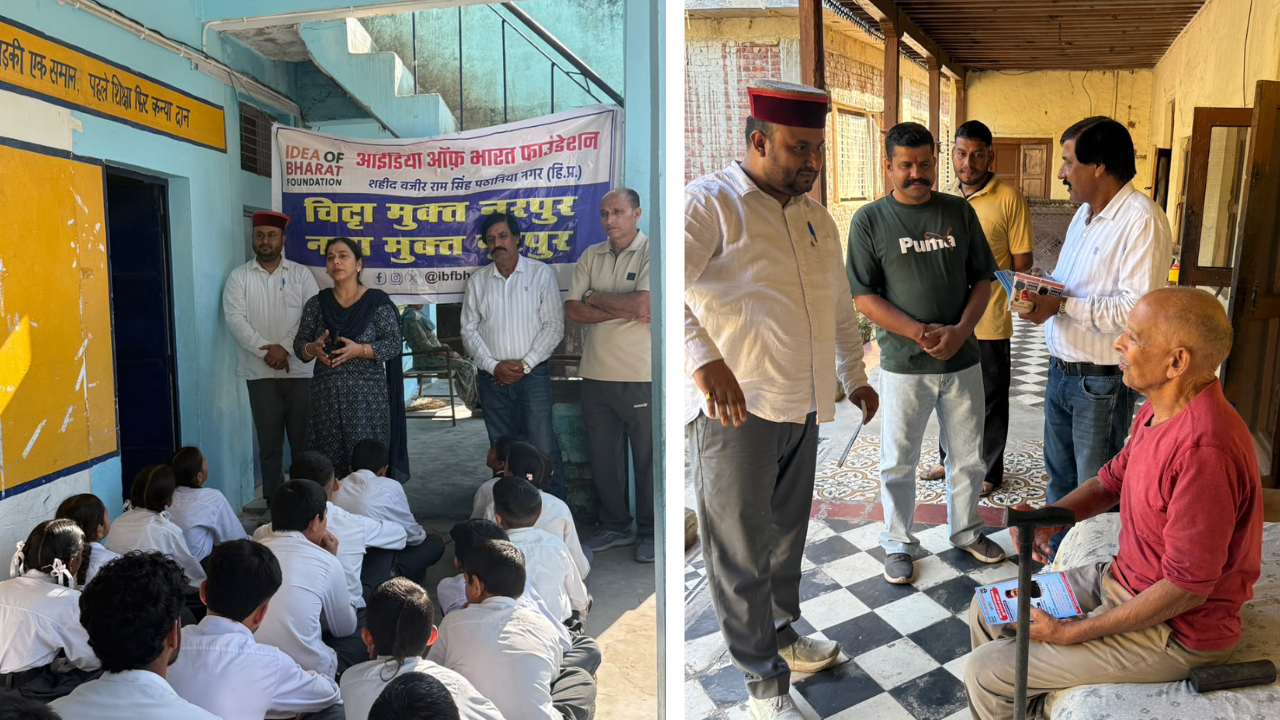
Hathidhar Panchayat Becomes 15th Chapter of Anti‑Drug Campaign; Awareness Held at Nagrota School
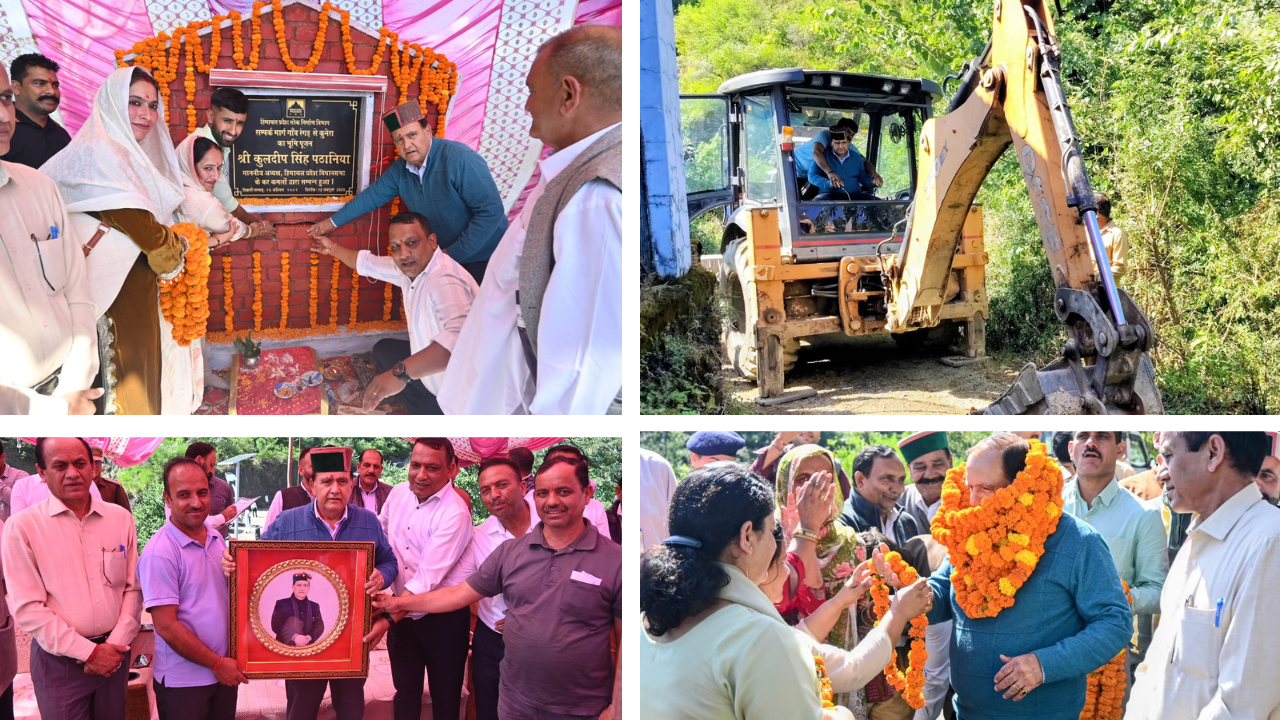
Speaker Kuldeep Singh Pathania Lays Foundation Stone for Rangad–Kunera Link Road