
S Gopal Puri
DHARAMSHALA:
Himachal Pradesh’s finances are set to come under even greater strain, with the Centre’s new GST 2.0 rationalisation expected to dent the state’s tax revenue further. At a time when the hill state is already grappling with a debt burden exceeding Rs 1 lakh crore, the latest tax-structure overhaul is likely to deepen its fiscal stress, government data tabled in the Assembly during the winter session of the Vidhan Sabha on Friday showed.
Chief Minister Sukhvinder Singh Sukhu placed Form-5 under the Himachal Pradesh Fiscal Responsibility and Budget Management Rules, 2005, outlining a worrying picture: both the fiscal deficit and revenue deficit have breached budget estimates for the current financial year.
The fiscal deficit is projected at Rs 12,114 crore, or 4.74 per cent of GSDP, while the revenue deficit is estimated at Rs 7,434.92 crore, overshooting budgeted levels by Rs 1,044.85 crore. The primary deficit, too, is expected to climb from Rs 3,599.12 crore to Rs 5,375.15 crore.
GST shake-up: Major blow to state revenue
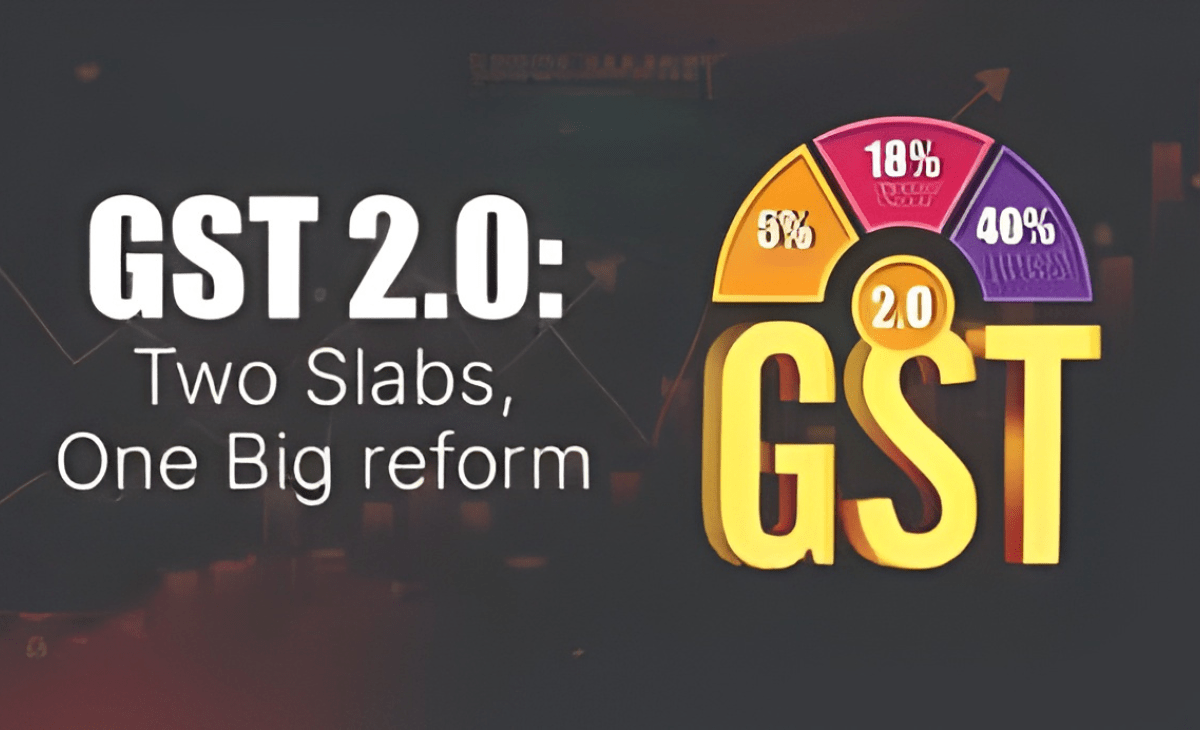
According to the report, Himachal is staring at a Rs 1,726.55 crore drop in tax revenue, primarily due to sluggish GST collections, reduced land revenue and weak excise receipts. The Centre’s decision, based on recommendations of the 56th GST Council meeting, to rationalise GST slabs from September 22, 2025, by scrapping the 12 per cent and 28 per cent rates is expected to further squeeze the state’s share not only in 2025-26 but in subsequent years as well.
Adding to the setback, the Himachal Pradesh Land Revenue Amendment Act, 2025, has run into procedural delays in special assessments, meaning the anticipated Rs 1,000 crore revenue from land-related charges is unlikely to materialise this year. Non-tax receipts, meanwhile, are expected to remain broadly at budgeted levels.
Expenditure rising faster than income
While a slight rise in revenue receipts is expected through externally aided projects and increased health-sector grants to local bodies, the state’s expenditure commitments continue to rise manifold. The report notes increase in grants, subsidies, Himcare liabilities and compliance with various court orders, all contributing to higher revenue expenditure.
Committed liabilities and court-directed payments have also pushed up the outflow. The government says it is attempting to curb all non-productive expenditure and has begun rationalising institutions to contain costs. To offset the financing gap for specific schemes, new cesses have also been imposed.
Centrally sponsored schemes: More funds, more spending
Allocations under centrally sponsored schemes are expected to rise by Rs 1,662.73 crore, driven by NDRF assistance, PM Awas Yojana, MGNREGA, Renukaji Dam compensation, PMGSY, PMKSY, National AYUSH Mission and new nursing colleges and medical college upgrades. However, expenditure under these schemes is also projected to rise by Rs 1,299.19 crore.
Capital expenditure is likely to rise by Rs 337.47 crore, mainly due to higher spending on rural drinking-water projects, road construction, state share under PMGSY and court-mandated compensation cases. Additional capital spending of Rs 40.90 crore is anticipated under AFD-funded projects such as Chanju-III and Devthal-Chanju.
To navigate the mounting pressure, the state government has outlined several corrective steps, including boosting tax and non-tax revenue, fully utilising central funds for development schemes, tapping externally-funded projects to support finances and ensuring judicious use of Centre-approved loans.